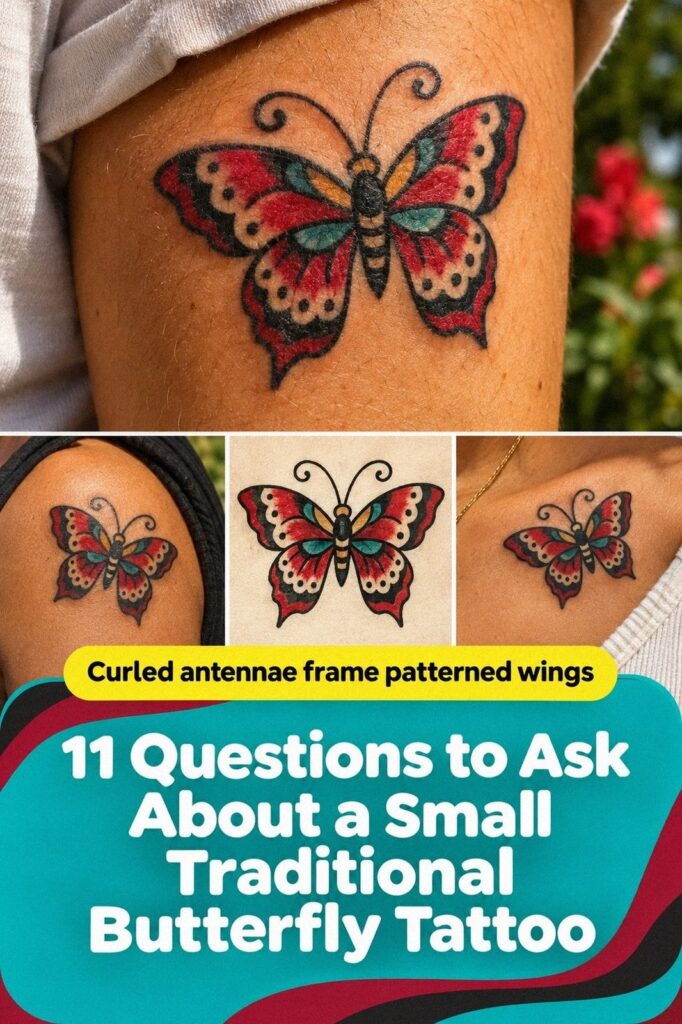
Traditional small butterfly tattoo designs work best with bold outlines, a readable shape, and placement that suits your daily life. I’ve learned that tiny details disappear faster than strong structure, especially on moving skin. Your first piece can still feel personal!
- Start With Classic Traditional Butterfly Linework: The Blackline First Rule
- Pick Bold Colors For Small Butterfly Tattoos: The Three-Pigment Rule
- Choose Unique Traditional Butterfly Wing Details: The Negative-Space Ladder
- Place Your Butterfly Tattoo On The Wrist: The Three-Point Placement Check
- Keep Traditional Butterfly Edges Crisp And Sharp: The Healed-Line Test
- Plan A Meaningful Butterfly Tattoo With Symbolism: The Personal Mark
- Match Tiny Butterfly Ink To Your Skin: The Contrast Check
- Balance Dainty Wings With Strong Black Outlines: Bold Edges Over Fragile Detail
- Add Vintage Flash Details To Butterfly Ink: The Old-School Filter
- Consider Pain Before Placing Small Butterfly Tattoos: Is Visibility Worth It?
- Protect Your Butterfly Tattoo Through Proper Healing: The Aftercare Rule
1Start With Classic Traditional Butterfly Linework: The Blackline First Rule
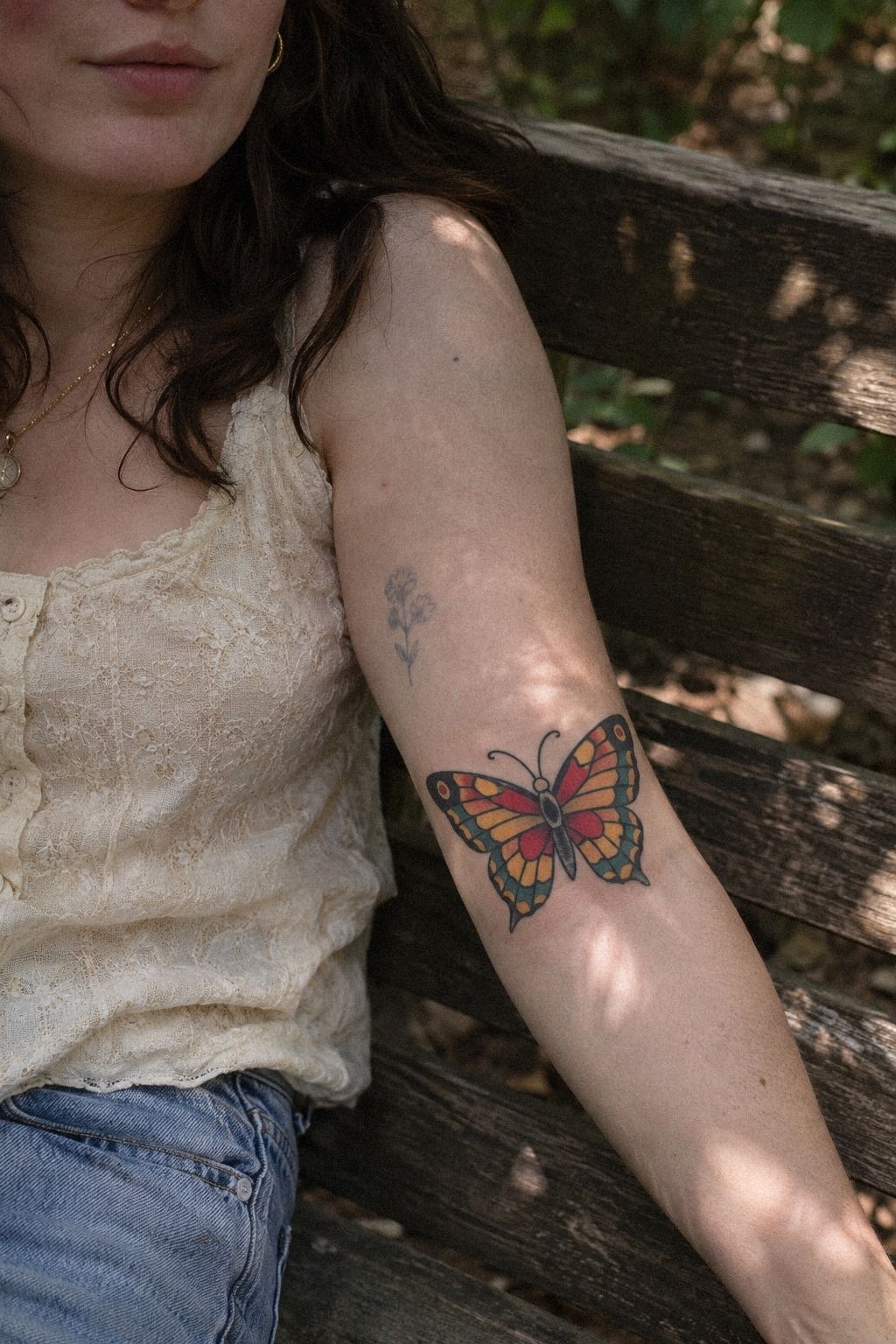
Start with the silhouette before choosing color. A traditional butterfly needs two open wings, a clear body, and a strong center so you can recognize it from several feet away.
Ask your artist to show the design as a simple blackwork stencil first. If the shape doesn’t read without color, extra details won’t rescue it.
I like a slightly rounded upper wing paired with a sharper lower wing because the contrast feels striking and timeless. You don’t need every wing vein copied from a real butterfly.
You need a crisp rhythm that looks good on your skin, not a biology diagram. If you later add color, terracotta, stone, and olive pigments can keep the palette expressive without weakening the outline.
Your artist should test the stencil at the intended size, not enlarge it on a screen. A design that looks intricate at 4 inches can become muddy at 1.5 inches. I’ve made the mistake of approving a tiny sketch without seeing the transfer, and I’d have chosen wider wings if I’d noticed the crowded center.
Bring three references, but don’t ask your artist to stitch them together line by line. Show one wing shape, one body style, and one border treatment. Your artist can turn those references into an expressive design that fits your anatomy and still feels like yours.
If you’re weighing whether the appointment is worth the cost, spend first on a strong stencil consultation. A clear silhouette gives you more value than a crowded design with extra marks. That first check is worth it!
2Pick Bold Colors For Small Butterfly Tattoos: The Three-Pigment Rule
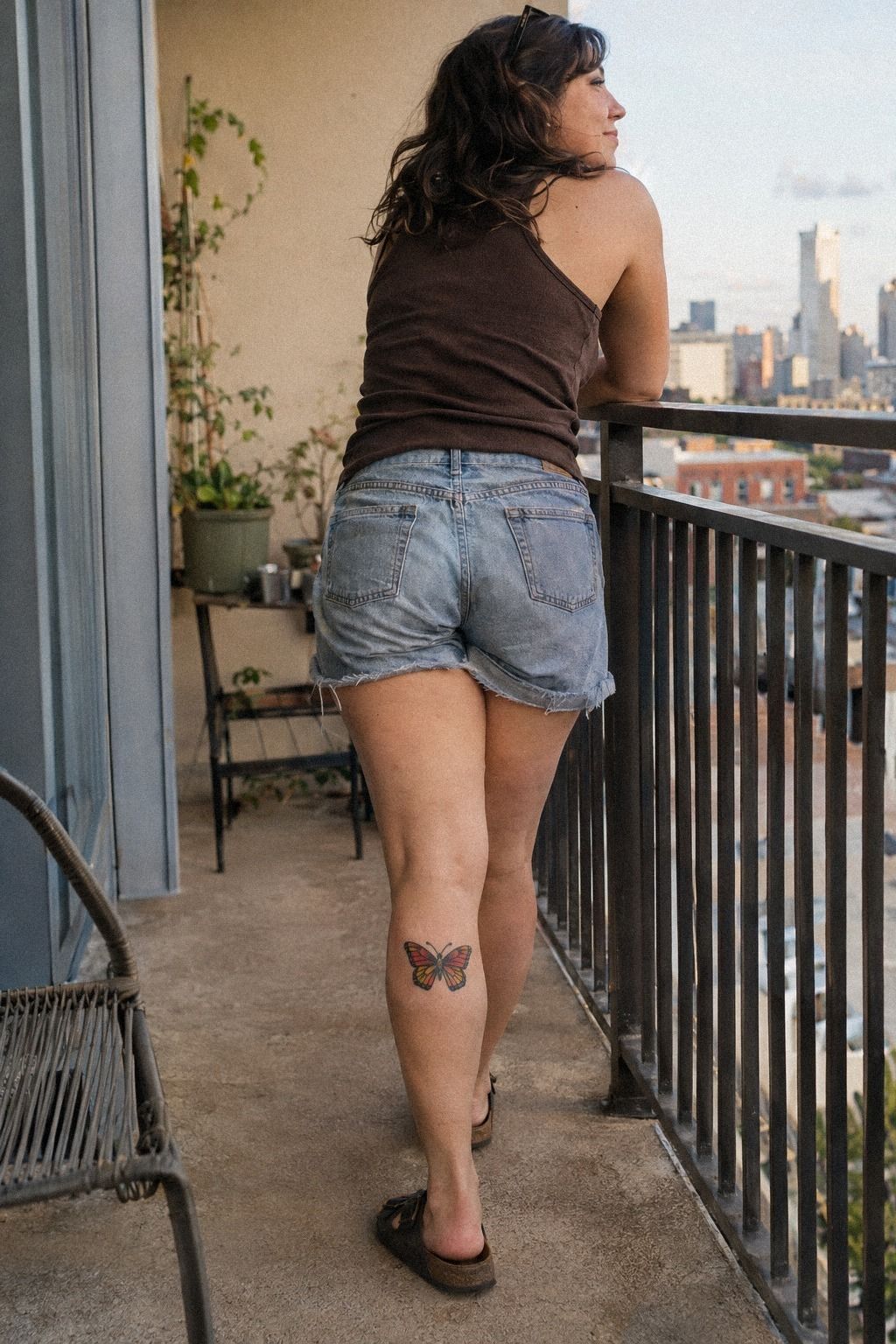
Choose color after the outline earns your trust. For this palette, a clay wing, linen highlight, and aged-brass gold accent can look vibrant without making a small butterfly noisy. For a first tattoo, I prefer one main wing color, one supporting accent, and black for structure.
Your eye should land on the wings before it notices the tiny dots.
A clay-colored wing with a linen center can feel fierce and iconic, while aged-brass gold gives the design an edgy spark without adding another competing pigment. Ask your artist whether those pigments suit your undertone and location. A color that looks rich on a flash sheet may soften differently once it sits against your skin.
Keep the palette tight. Two or three pigments usually give your artist enough contrast to create a readable design without shrinking every section to make room for another shade. You can study a softer approach in these watercolor small butterfly tattoo examples, but I’d keep the clay, linen, and brass direction more defined if traditional longevity is your priority.
Your artist may use clay tattoo pigment, linen cream, and brass-gold yellow in separate passes. The exact brand depends on the studio, so don’t choose an artist because of a pigment label alone. Choose someone whose healed photos still show clean color separation after several months.
A limited palette can also protect your budget. More colors may increase appointment time, but extra pigment doesn’t automatically create better value. Ask what the proposed three-pigment palette will cost before you approve the final drawing.
3Choose Unique Traditional Butterfly Wing Details: The Negative-Space Ladder
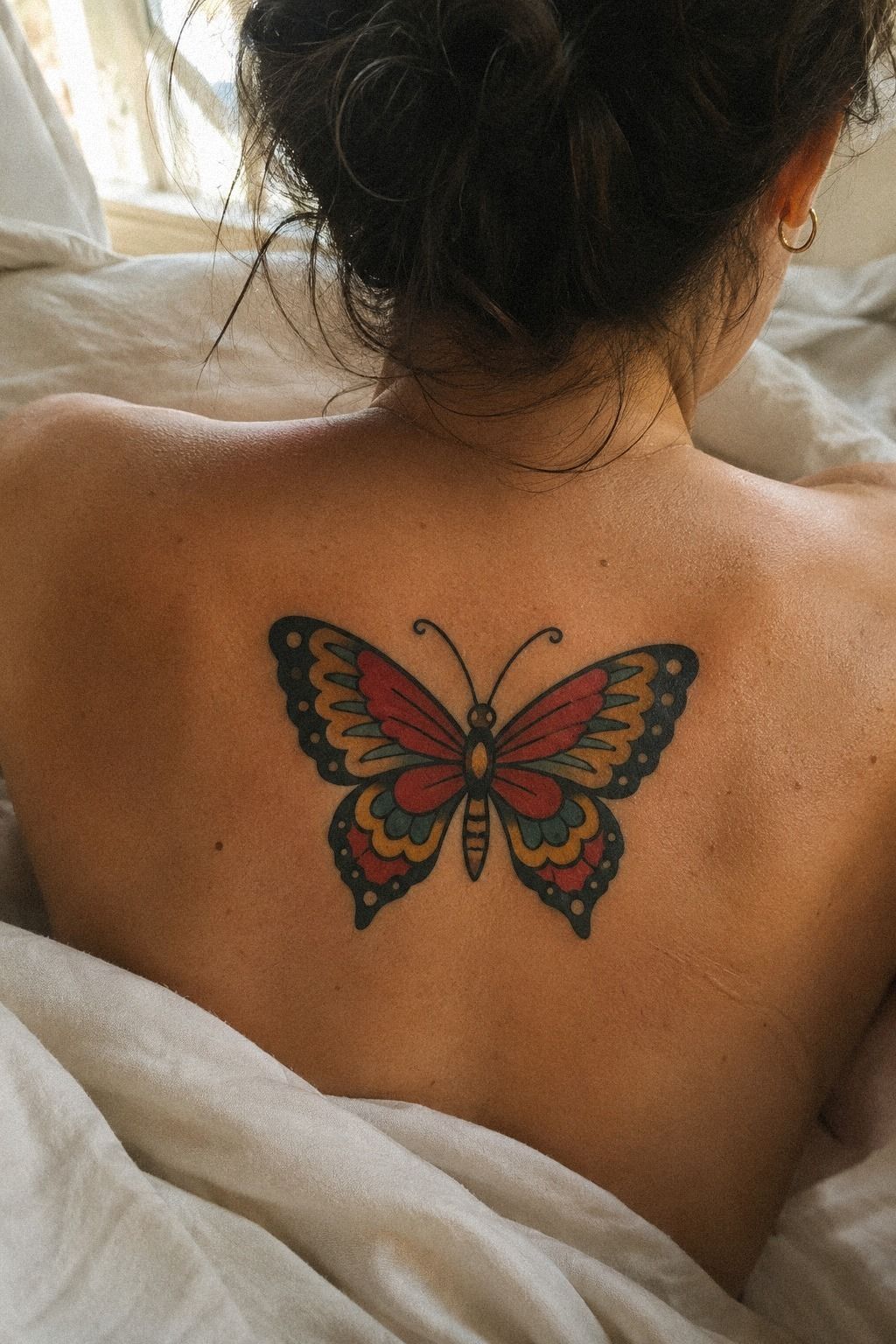
Choose one memorable wing detail instead of filling every gap. A small heart cutout, three teardrop marks, or a pointed lower-wing section can make your design meaningful without weakening the traditional structure. This is the negative-space ladder: large opening first, medium mark second, tiny accent last.
Your artist should leave enough untouched skin between the black sections for the design to breathe. If the gaps are narrower than the surrounding outline, they’ll compete visually once the tattoo settles. I prefer three clear openings over nine delicate marks because your butterfly will still read clearly in a mirror or quick glance.
A spine placement gives the wings a graceful, powerful relationship with your body. The centerline has to be carefully aligned before the stencil touches your skin.
Ask your artist to let you stand naturally while they check it. You don’t want a design aligned to a twisted posture.
For color, plum, gray, and rose-gold accents can make the wing details feel ornate while keeping the structure symbolic. If you’re planning a small butterfly tattoo stencil, print it at the intended size and look at it from arm’s length. Your first glance should catch the wings, then the special mark, then the tiny accents.
A single symbolic detail often gives better value than several decorative ones. You’re paying for clarity, placement, and execution, so don’t let a low budget push you toward a design that asks too much from a small surface.
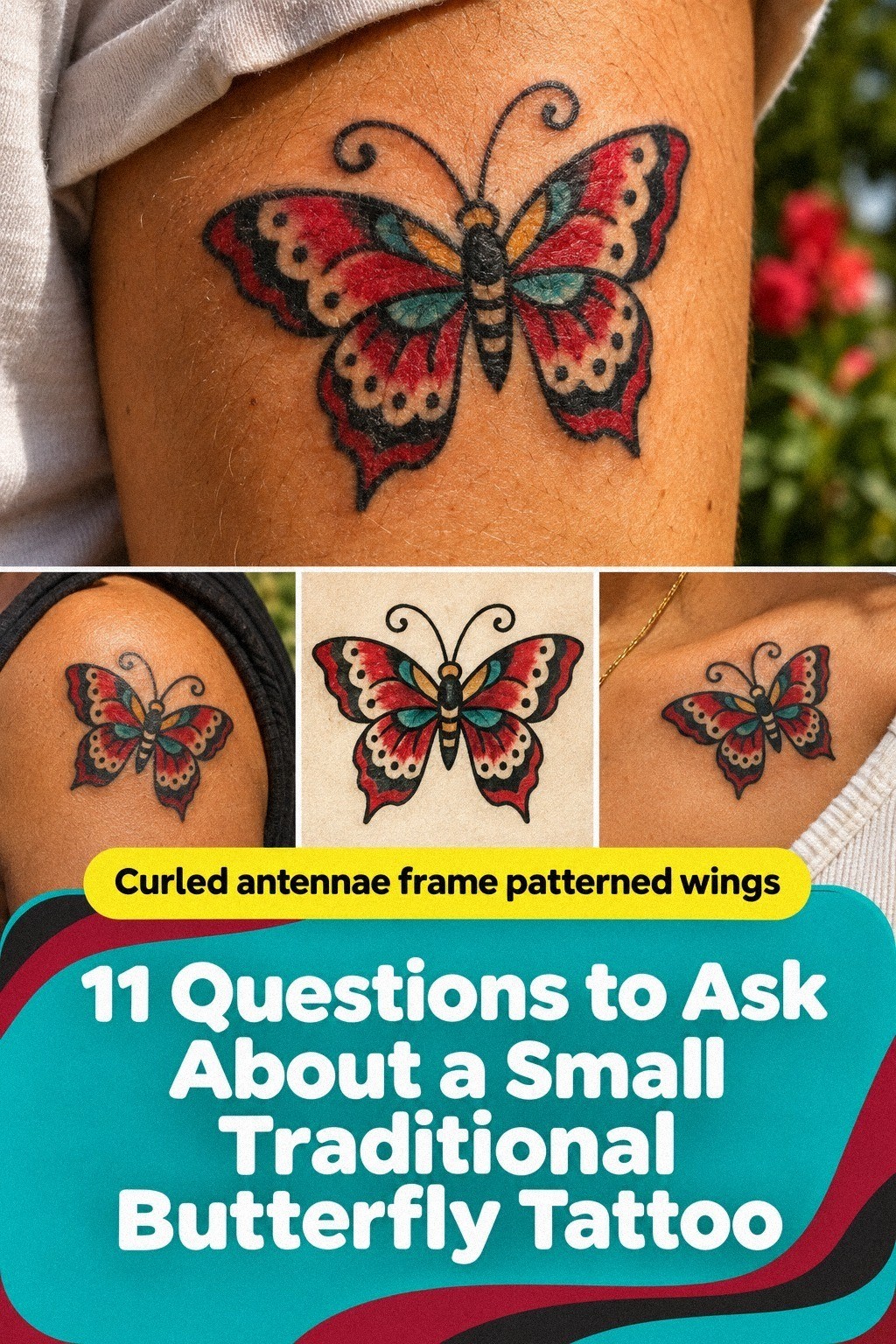
4Place Your Butterfly Tattoo On The Wrist: The Three-Point Placement Check
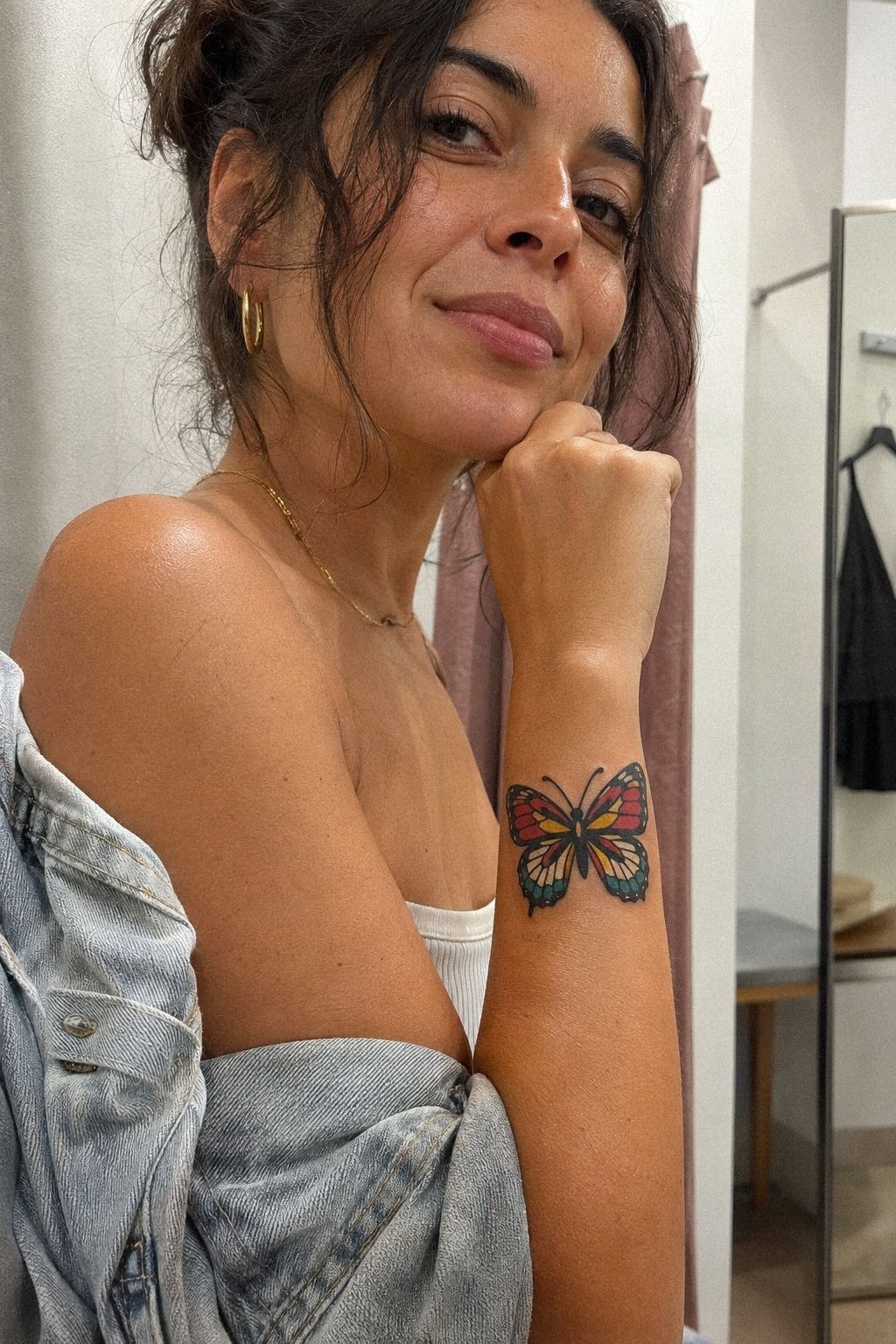
Place a wrist butterfly so its widest part follows the available flat skin rather than wrapping aggressively around the joint. If you want color, navy, white, and walnut-brown accents can keep the wrist placement readable without forcing detail into the crease.
5Keep Traditional Butterfly Edges Crisp And Sharp: The Healed-Line Test
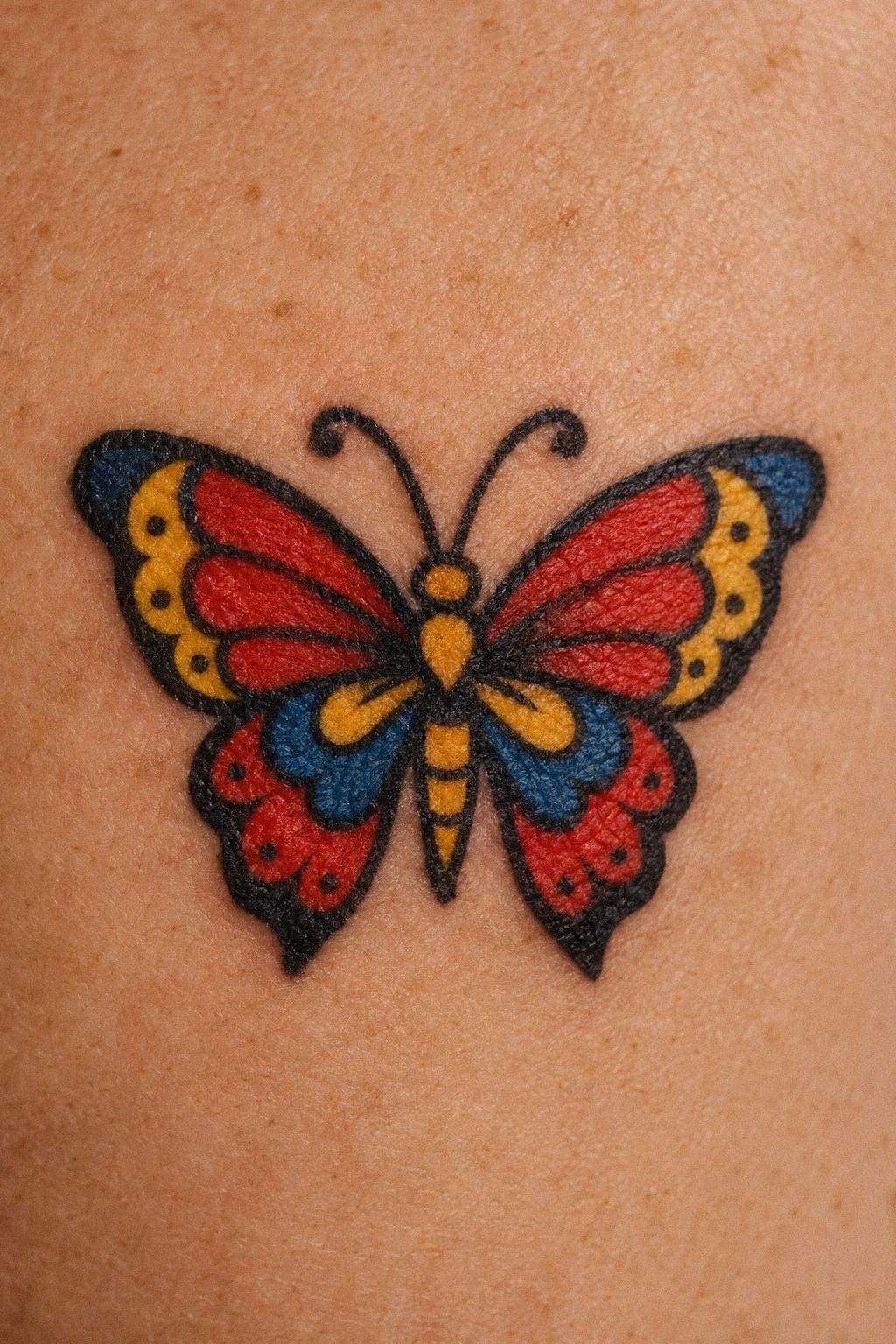
Keep the outer border heavier than the interior marks. Traditional work depends on sharp edges that hold the butterfly together after the skin settles.
On a flash sheet, every line looks crisp. On living skin, a very fine line can soften or spread, especially in a high-friction area.
Ask to see healed tattoo examples, not only fresh work. A clean fresh outline is useful, but a healed image tells you how their pressure, spacing, and line weight behave.
If the artist can’t show healed work, I’d pause before booking. Your first tattoo deserves evidence, not a guess.
A traditional flash sheet often shows the right visual priorities: strong contour, simple fills, and a few expressive interior marks. Don’t copy its surface marks into the tattoo.
Copy the hierarchy. Your artist should know which lines need to remain dominant after the initial shine disappears.
You can compare classic structure with the small butterfly tattoo designs gallery. Look for designs where the wing border remains readable at a small size. Emerald, gold, and cream can create a polished color direction, but the crisp outline should remain the first thing you notice.
A healed portfolio is one of the best ways to judge value. Fresh work can look polished under immediate studio conditions, while healed work reveals whether the investment produced the clear, lasting result you wanted.
6Plan A Meaningful Butterfly Tattoo With Symbolism: The Personal Mark
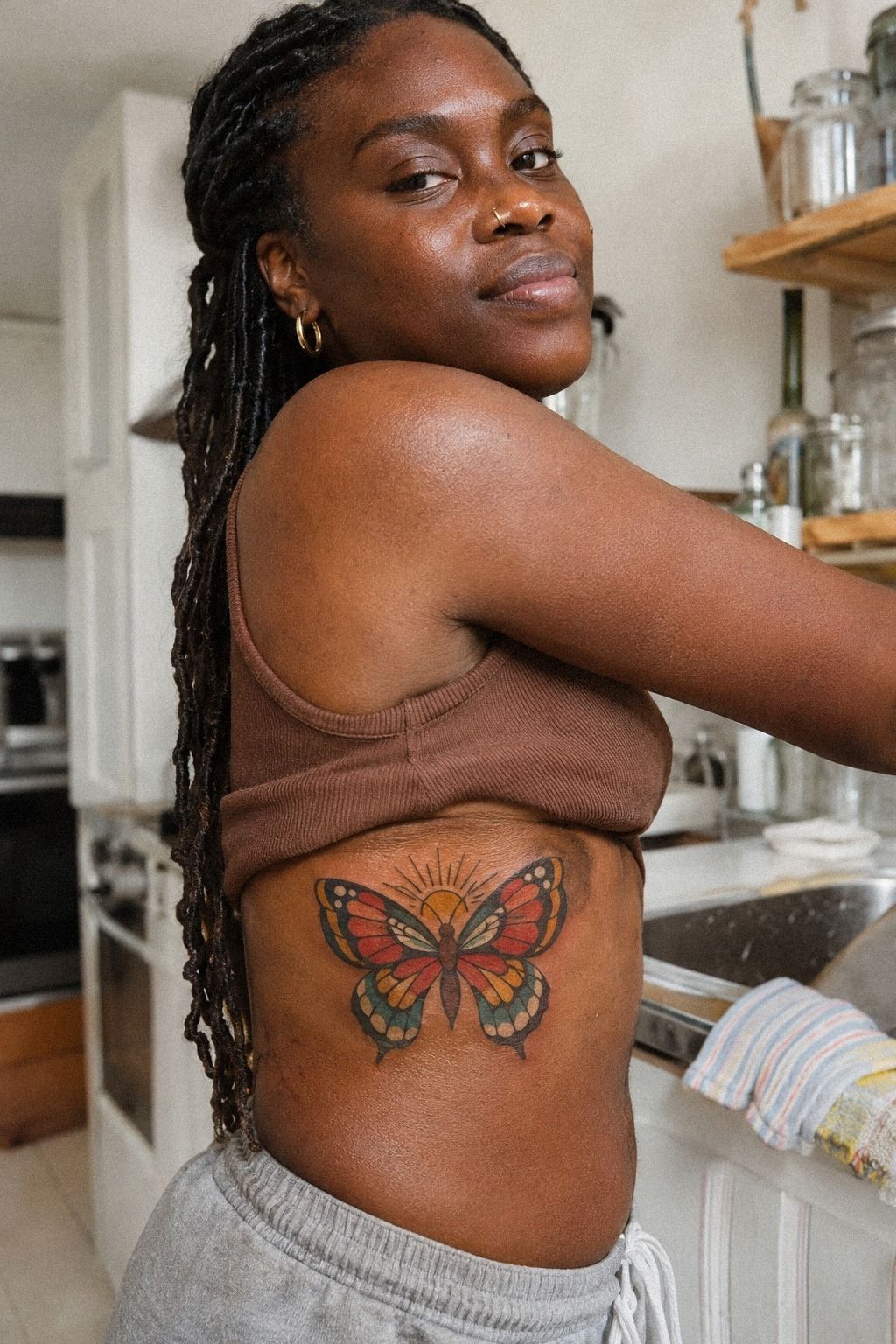
Plan the meaning in one sentence. Maybe your butterfly represents a life change, a person you carry with you, or the decision to begin again.
A symbolic tattoo doesn’t need a paragraph of explanation. It needs one honest idea that still matters when the trend has moved on.
You can make the symbolism sacred, romantic, or quietly empowering through a small visual choice. A star inside one wing may honor a loved one.
A broken border may represent a difficult transition. A balanced pair of dots may stand for two people. Forest green, rust, and oak-brown accents can support that personal message without overwhelming it.
Write down what you want the butterfly to remind you of, then remove anything that exists only because it looks fashionable online. I once added an extra symbol because it looked ornate in a reference image, and it made the design less personal. Your tattoo should carry your meaning before it carries anyone else’s style.
If you need more reference points, browse these small butterfly tattoo ideas and note what keeps drawing your eye. Is it the body, the wing shape, or the border? That answer will help your artist build a symbolic piece instead of a crowded collage.
A meaningful design doesn’t need to be expensive to feel valuable. The strongest personal mark may be one that keeps the cost controlled by using fewer colors and cleaner spacing.
7Match Tiny Butterfly Ink To Your Skin: The Contrast Check
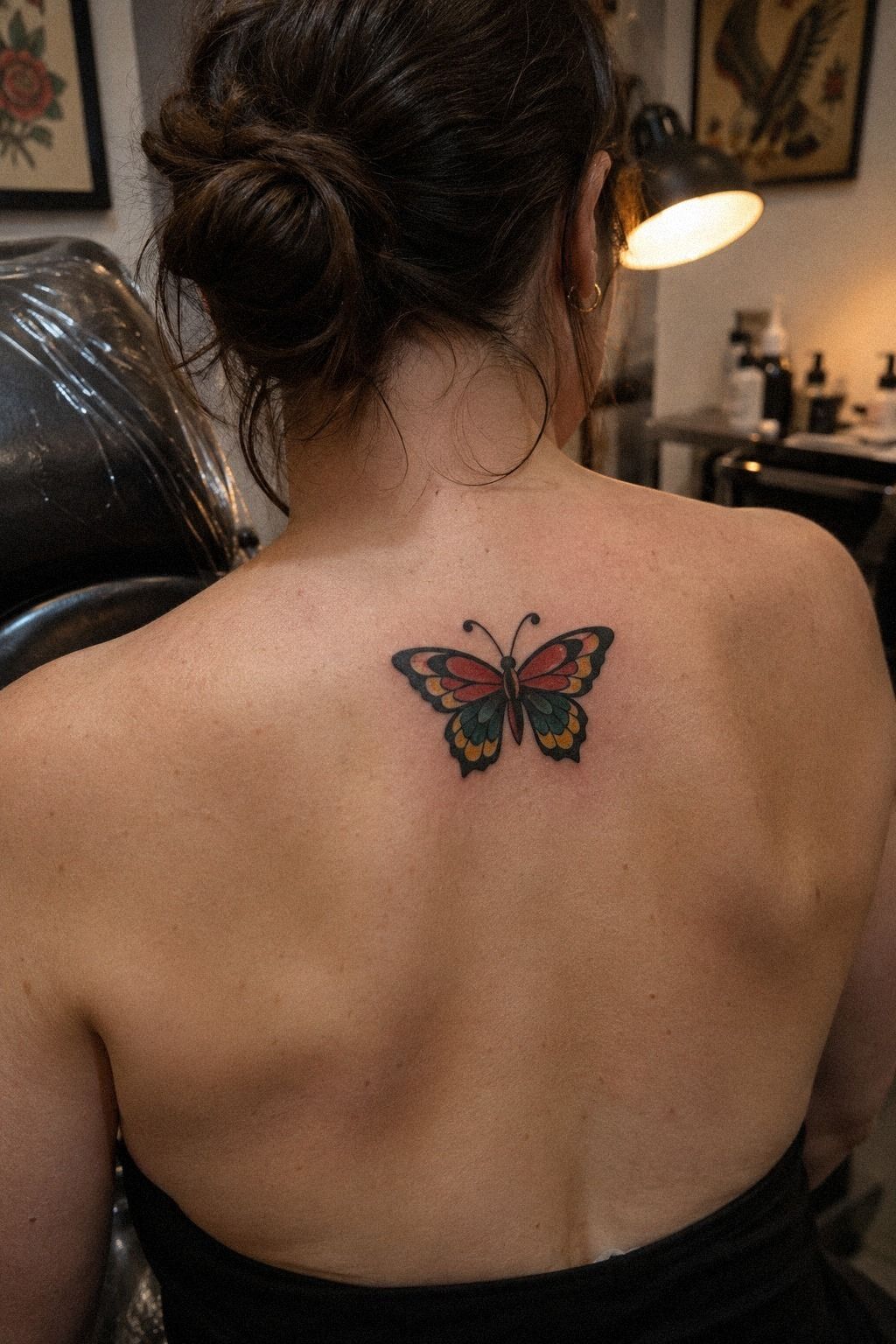
Match the design’s contrast to your skin and to the size you can realistically maintain. Strong charcoal outlines tend to create a sleek visual anchor, while open skin areas keep the tattoo from feeling heavy. Your artist should evaluate the stencil under ordinary indoor light, not only under a bright phone flash.
Ask for a placement and palette that will remain visible without forcing every detail into solid charcoal. On deeper skin tones, contrast planning matters because certain colors may read differently after healing. A skilled artist will explain which dusty-rose, charcoal, and brass pigments and negative spaces will stay clear for your undertone without making promises they can’t support.
The goal isn’t to match your skin by hiding the design. It’s to make the butterfly sit confidently against it.
Dusty rose can feel romantic against golden undertones, while charcoal and brass may look sharp. Your preference matters, but your artist’s healed portfolio matters too.
Take a look at tiny small butterfly tattoo references before your consultation. Save examples on skin tones close to yours when possible. You don’t need an exact match, but you do need a realistic idea of how the outline and color may settle.
Good contrast can improve the value of a small tattoo because it keeps the design readable without adding more detail. Ask what adjustments are included in the quoted cost before you book.
8Balance Dainty Wings With Strong Black Outlines: Bold Edges Over Fragile Detail
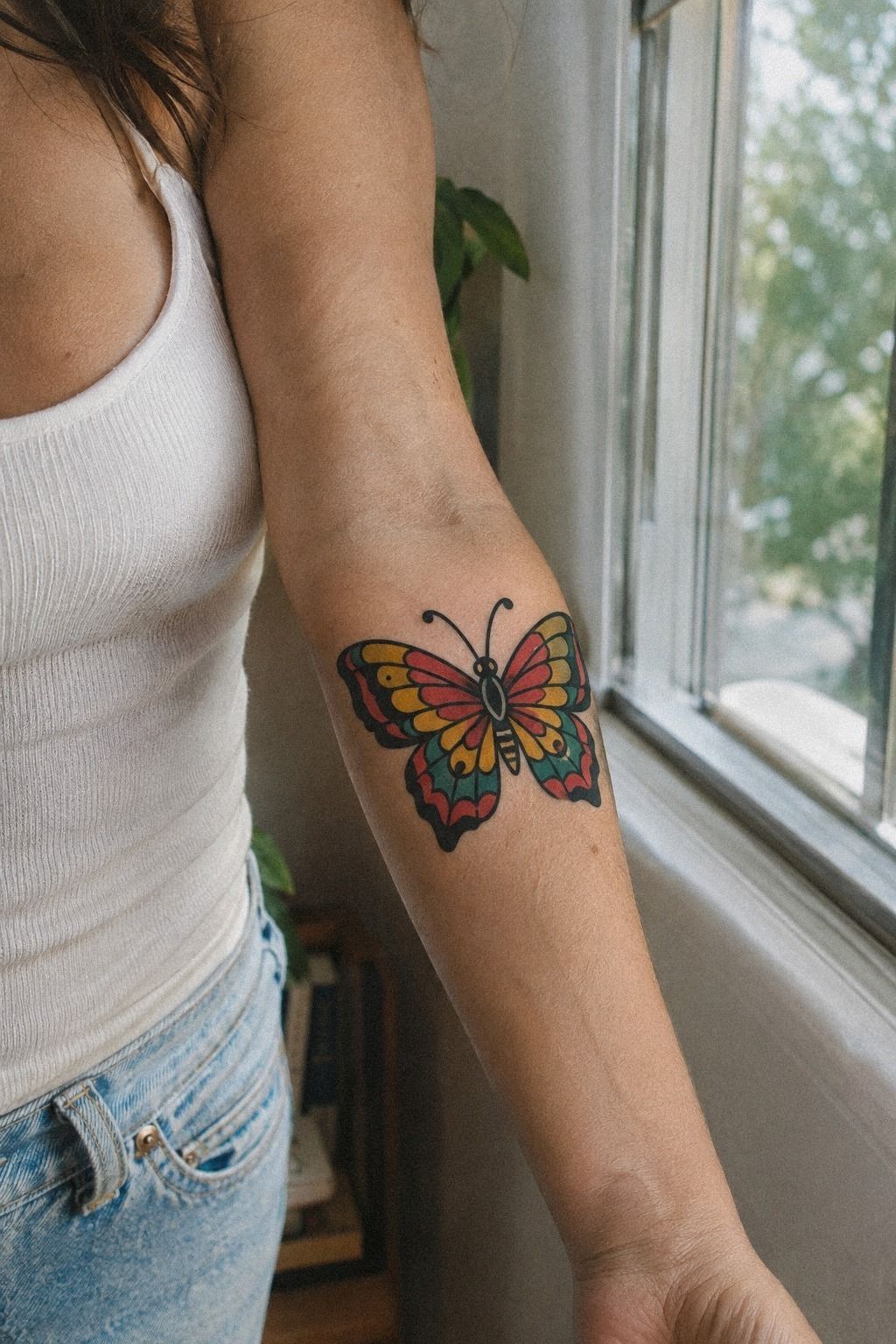
Balance dainty wing shapes with a border that can survive daily life. The design can feel feminine, elegant, or understated without becoming fragile. I like narrow wing tips paired with a firm outer contour because that gives you softness and structure in the same image.
Choose bold edges over fragile detail if this is your first tattoo. Fine lines can look graceful in a close look, but they may widen or lose separation as skin ages.
That doesn’t mean every small tattoo needs a thick outline. It means your artist should match line weight to the final size and placement.
A forearm gives you more visual room than a wrist, so you can keep two or three interior wing marks. Your artist might use a 3RL tattoo needle for small accents and a larger liner for the border, depending on their method. The tool matters less than the healed result and the artist’s control.
A warm-white, camel, and black-accent palette can keep the butterfly delicate without making it weak. Compare this balanced approach with small fine line butterfly tattoo styles. Fine line can be lovely, but I’d avoid combining a super-thin contour with dense traditional fills.
If you’re deciding whether a larger, clearer piece is worth it, remember that readable spacing often gives better value than maximum detail. A slightly bigger design may cost more, but it can prevent an expensive-looking compromise.
9Add Vintage Flash Details To Butterfly Ink: The Old-School Filter
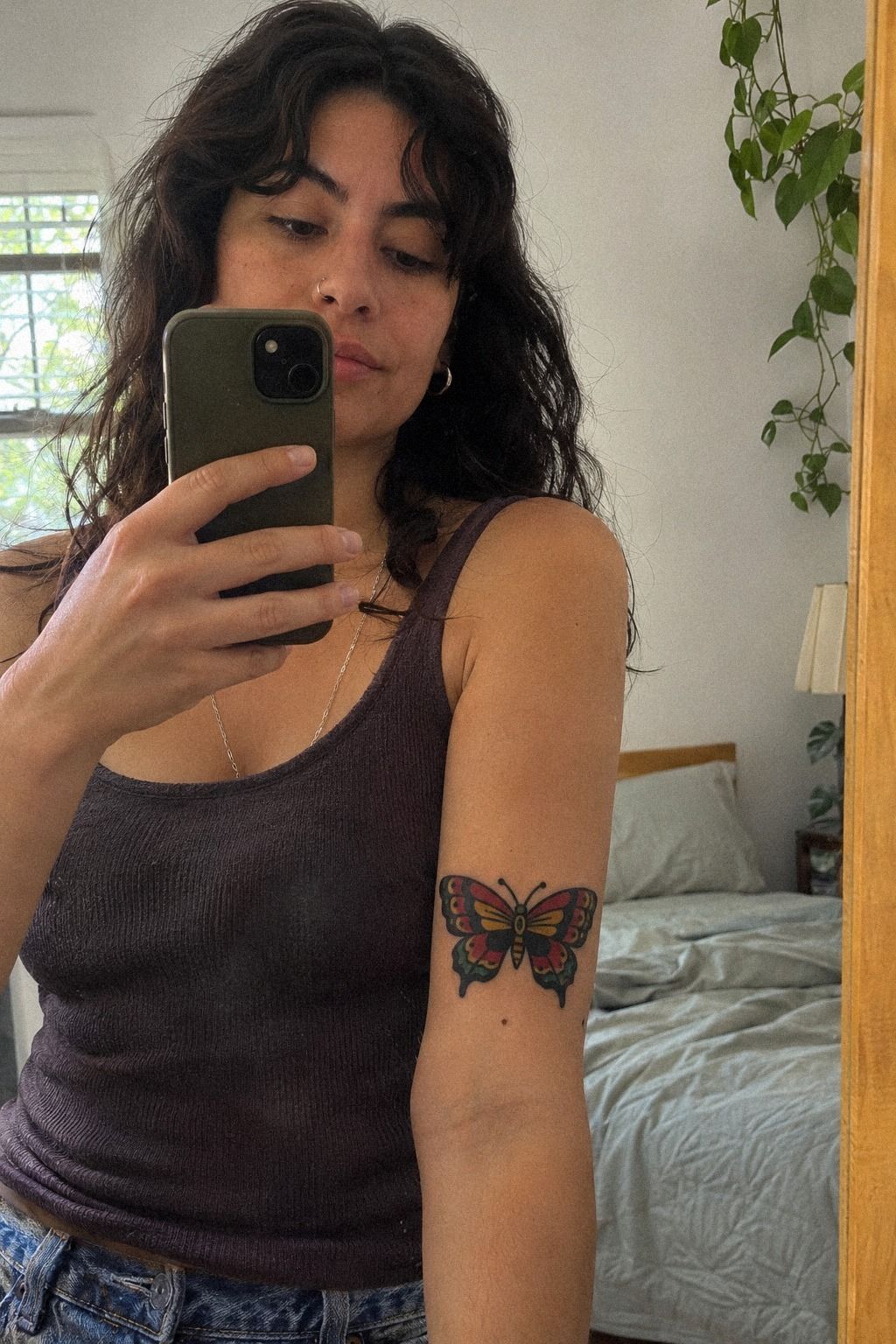
Add vintage details only after the main design works by itself. A banner, tiny star, dot cluster, or pointed antenna can give your butterfly an iconic old-school mood. The best flash details feel intentional, not borrowed from every reference you saved at midnight.
Look for a limited palette, rounded shapes, and a slight sense of theatrical exaggeration. That can make the design whimsical, playful, and classic without turning it into a cartoon. Your artist may suggest a small border around one wing or a darker body to keep the center grounded.
On the forearm, a vintage butterfly can sit horizontally or angle toward the elbow. Try both stencils while your arm is relaxed. A midnight-blue, copper, and ivory palette can give the piece a vintage character while keeping the wing shape clear.
If your favorite references have an aged look, save the traditional small butterfly tattoo collection alongside the design. I wouldn’t force fake distressing into the tattoo. Let the color choices and bold contour create the vintage character naturally.
You can also compare that direction with realistic butterfly tattoo ideas. Realistic references may be haunting and beautiful, but copying every natural marking can raise the appointment cost without improving a small traditional design.
10Consider Pain Before Placing Small Butterfly Tattoos: Is Visibility Worth It?
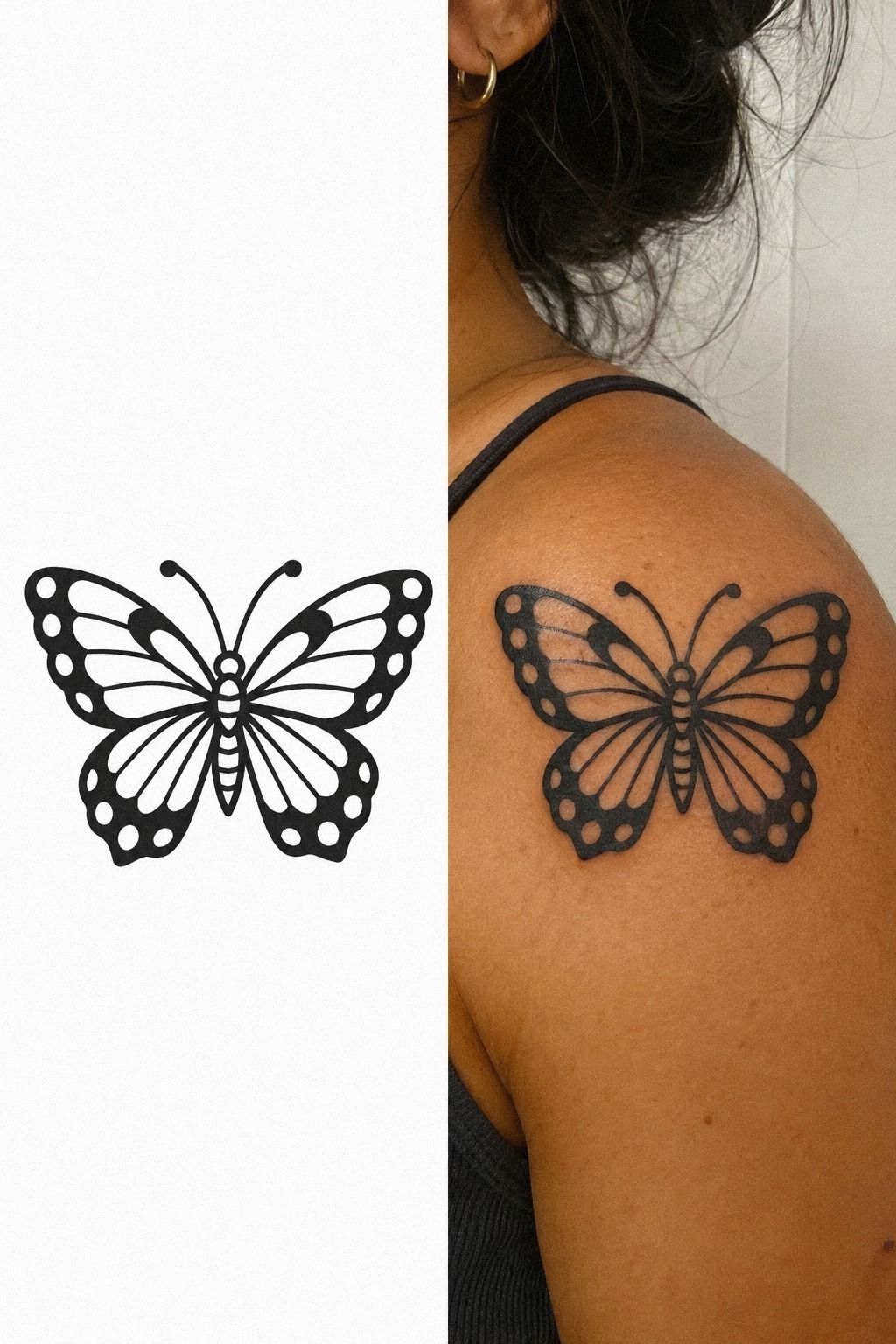
Consider pain as one part of placement, not the only decision. A sage-green, warm-cream, and wood-brown palette won’t change sensation, but choosing a visible location that suits your tolerance can make the experience feel more manageable.
11Protect Your Butterfly Tattoo Through Proper Healing: The Aftercare Rule
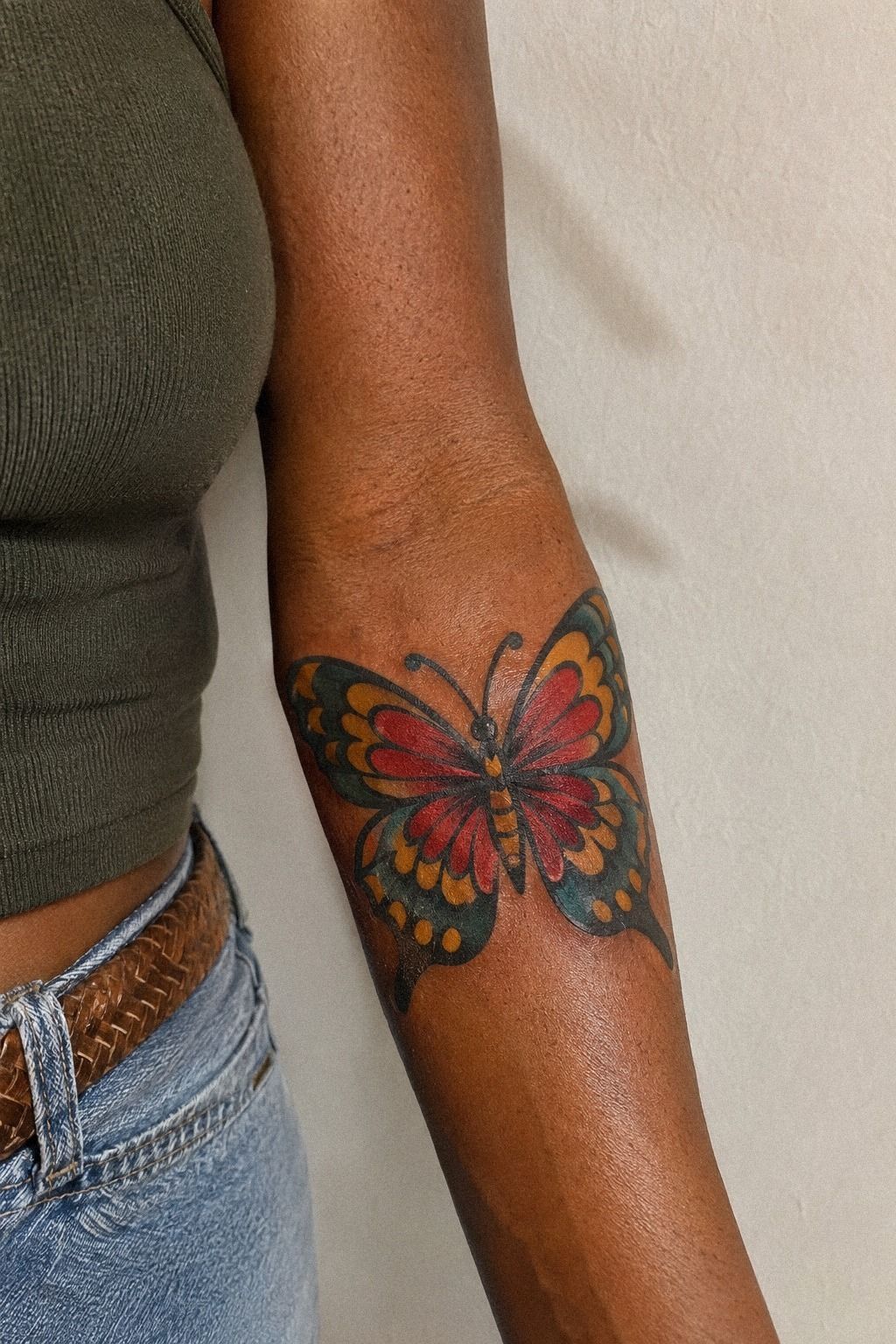
Protect the tattoo during the first few weeks with simple, consistent aftercare. Your artist may cover it with Saniderm or another bandage, and you’ll need to follow their removal instructions rather than copying a stranger’s routine online. Wash gently, pat dry, and use the recommended thin layer of moisturizer.
Surface healing commonly takes about 2 to 3 weeks, while complete healing can take around 2 to 3 months. Your skin may look calm before it’s fully settled. Don’t pick flakes, soak the tattoo in a pool, or expose it to strong sun while it’s healing.
Those choices can interfere with the final color and texture.
Use a mild fragrance-free cleanser and avoid heavy layers of product. Your tattoo doesn’t need to stay glossy or wet. It needs clean hands, gentle washing, and enough air to recover.
If something looks unusual or painful, contact your artist or a medical professional instead of experimenting.
Once healed, protect the butterfly with SPF 30 sunscreen whenever it will be exposed. UV can fade color and soften contrast over time. The black outline may age better than very fine marks, but no design is immune to sunlight.
Aftercare is part of the total cost of the tattoo. You may need cleanser, moisturizer, and sunscreen, so include those small purchases in your budget before the appointment.
Budget Before the Appointment
A small traditional butterfly tattoo may be priced by shop minimum, hourly rate, or a flat quote. These figures are planning ranges, not promises. Your artist’s region, experience, color work, and placement will affect the final number.
Ask for the total expected cost before you approve the design. A lower quote isn’t automatically better value, and a higher quote isn’t automatically evidence of better work. The healed portfolio should carry more weight than a dramatic price difference.
If you’re working with a strict budget, simplify the palette before shrinking the design. Reducing one color or removing dense interior marks can protect the silhouette without making the tattoo feel minimal in a disappointing way.
Placement and Daily Visibility
Think about your job, clothing, exercise, sun exposure, and how often you’ll see the tattoo. A visible wrist piece can feel empowering, but it may need more attention during daily activities. A forearm, thigh, or shoulder can offer a different balance of access and discretion.
A butterfly that looks delicate in a reference image may feel more dramatic once it sits on moving skin. Ask to view the stencil while your arm rests naturally and turns gently. You’re checking the relationship between the design and your body, not just the drawing.
Your preferred placement should also support the way you want to remember the tattoo. A personal mark can be private, visible, or somewhere between the two. There’s no single correct answer.
Questions Worth Asking Your Artist
Ask whether the artist has healed examples in the same style. Ask how they’d adapt the wing size to your chosen placement. Ask whether color changes the estimated cost.
These questions are practical, and they don’t make you difficult.
You can also ask what happens if the stencil looks wrong when it’s placed. A confident artist should be willing to reposition or revise the transfer before work begins. That conversation protects both your budget and your final result.
Bring the references that matter most, including traditional black butterfly tattoo ideas, but explain what you like in each one. Your artist needs the reason behind the reference, not a demand to copy it.
A Simple Reference-Building Method
Save three images only: one for the silhouette, one for the palette, and one for the detail you want to personalize. I’d also save a few minimalist butterfly references if you’re unsure how much detail the final size can hold.
Remove references that disagree with your main direction. A delicate blackwork design, an ornate watercolor piece, and a gritty neo-traditional example may all be striking alone, but combining them can create confused instructions.
Your final reference board should answer three questions quickly: How wide are the wings? Which colors matter?
What single detail makes the tattoo yours? If it can’t answer those questions, it’s still too crowded.
The Value of a Healed Portfolio
Fresh tattoos show color and linework under immediate studio conditions. Healed tattoos show spacing, pigment retention, and the artist’s long-term control. Look for consistent borders, readable negative space, and color that still feels vibrant after the surface has settled.
A healed portfolio is especially useful when you’re comparing artists at different price points. It helps you judge value instead of choosing by cost alone. That is real value!
You can compare small-scale references in the tiny butterfly tattoo design gallery, then ask which choices would remain clear after healing. The best comparison is never just the freshest example.
My Shortlist for a First Piece
My shortlist is simple: a readable silhouette, two or three pigments, one personal detail, and a placement you can live with every day. That combination can feel sleek, expressive, and timeless without asking a small tattoo to carry too many ideas.
If you want a quieter result, keep the wings open and the border crisp. If you want something more daring, use a fierce color accent or an unusual lower-wing shape. Both directions can work when the structure stays clear.
The most meaningful choice may also be the least visible one. A tiny symbol inside the wing can remain personal without turning the design into a crowded collage. Choose the detail because it matters, not because it fills empty space.
What I Learned Before Choosing My First Butterfly
I used to think the hardest part was finding a reference image. It wasn’t.
The harder decision was accepting that a small tattoo can’t carry every idea, color, and detail at once. I wanted a butterfly that felt meaningful, ornate, and personal, but every added mark took space away from the shape that made me love it.
The first lesson is to choose the silhouette before the symbolism. If you can’t recognize the butterfly in solid black, the design needs work.
The second lesson is to respect placement. A wrist tattoo may be visible and stylish, but it moves more than a forearm tattoo and may demand simpler details.
I also learned to ask for healed photos without apologizing. That’s not difficult or rude. It’s basic information.
Your artist should be comfortable showing how their outlines, fills, and color choices settle over time. If you’re nervous about asking, write the question in your phone before the consultation.
My strongest opinion is simple: don’t shrink a detailed design just to call it tiny. A slightly larger butterfly with readable spaces will feel more polished and timeless than a miniature piece packed with marks.
You can still keep it discreet. You just shouldn’t make the skin do impossible work.
The tattoo should also fit your real life. Think about your job, clothing, sun exposure, exercise, and how often you’ll see the placement.
That practical check doesn’t make the design less romantic or expressive. It gives your choice a better chance of remaining satisfying after the appointment excitement fades.
The Questions Worth Answering First
How much does a traditional small butterfly tattoo usually cost?
A traditional small butterfly tattoo usually costs about $50 to $100 at a shop minimum or around $100 to $250 per hour in the United States. Your artist, region, color work, and placement will affect the final quote. I’d ask about the minimum before booking so the budget doesn’t surprise you.
Are traditional small butterfly tattoos a good idea for a first tattoo?
Yes, traditional small butterfly tattoos can be a strong first tattoo because clear outlines and simple fills are easy to understand during the design process. I’d still choose a placement you can tolerate, such as the forearm, thigh, or shoulder, if you’re unsure about the sensation.
How do I choose a tattoo artist for a traditional small butterfly tattoo?
Choose an artist with a clean traditional linework portfolio, healed photos, and a hygienic studio. I’d look for consistent outlines, balanced symmetry, and color that remains readable after healing.
You don’t need the cheapest appointment. You need an artist whose finished work matches the structure you want.
How much do traditional small butterfly tattoos hurt?
Pain varies, but ribs, feet, hands, and sternum are commonly more intense than the forearm, thigh, or shoulder. I’d ask your artist how long the appointment should take and whether breaks are possible. A small butterfly may take less time, but sensitive placement can still feel fierce.
How long does a traditional small butterfly tattoo take to heal?
The surface usually heals in about 2 to 3 weeks, while complete healing can take around 2 to 3 months. I’d wash gently, moisturize as directed, avoid pools, and protect the tattoo from strong sun. Your artist’s instructions should guide the exact routine.
What’s the best placement for a traditional small butterfly tattoo?
The forearm is one of the easiest placements to evaluate because it offers visibility, relatively tolerable sensation, and enough space for readable outlines. I’d choose the wrist only after checking the stencil while my arm was relaxed and turned sideways. Shoulder and thigh placements offer more discretion.
Where I’d Start First
If I had to pick one step, I’d start with the black silhouette. It exposes weak proportions before color can distract you, and strong structure is what keeps a small butterfly readable as it heals. Save your favorite small butterfly tattoo ideas and bring three references to your artist.
I’d also decide the budget and placement before adding decorative details. That way, the final design can stay bold, personal, and readable instead of becoming a compromise.
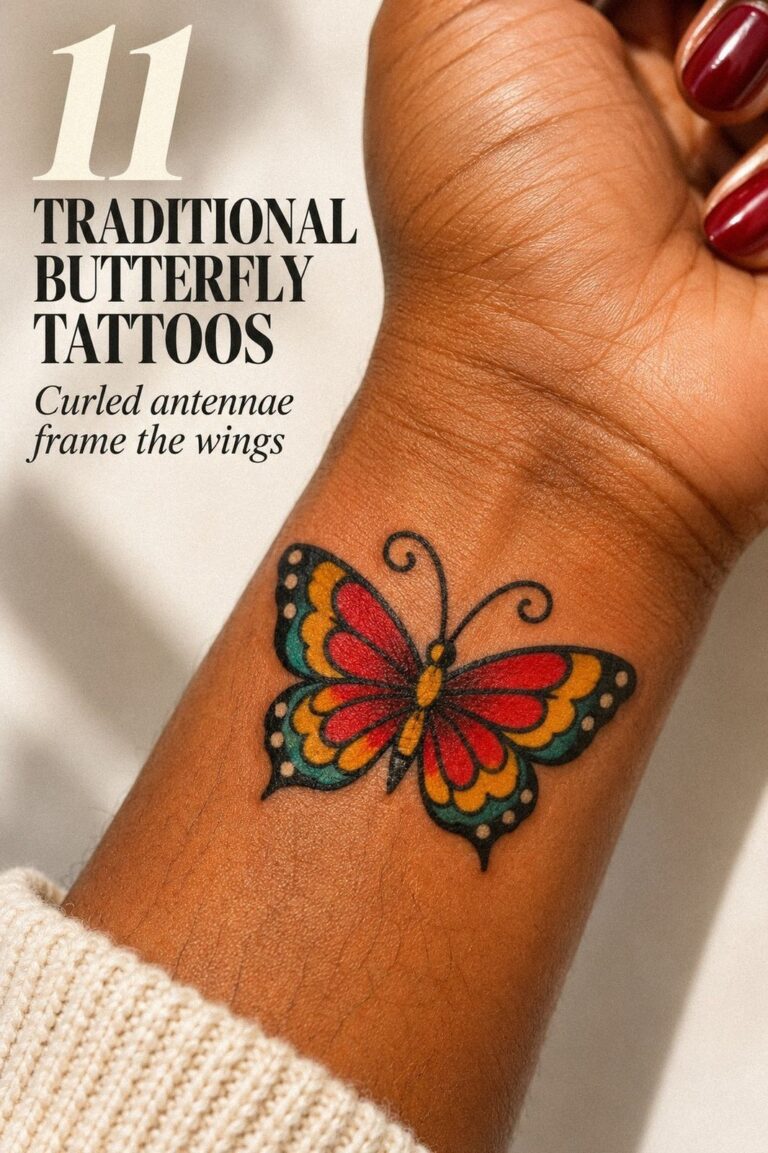
One response to “How to Design a Small Traditional Butterfly Tattoo for Your First Ink”
[…] a larger tattoo may offer better value than forcing the same detail into a smaller shape. These traditional small butterfly tattoo ideas show the opposite scale for […]