
Tiny unique butterfly tattoos can stay under $150 when you choose a simple placement, a fine-line artist, and a design that doesn’t need hours of shading. I priced mine after three sketches, one nervous appointment, and a strict budget. The result is small, personal, and sharper than I expected. Here’s what changed my mind!
Here’s what it looked like before:
Before the appointment, I had a patch of blank skin I’d been saving for the right idea. I wanted something uninked inner forearm skin could carry without looking crowded, but I didn’t want a generic butterfly copied from a flash sheet. My first sketches felt too ornate, too wide, or too sweet.
I kept looking at small unique butterfly tattoos and asking myself one question: would I still want this shape after the novelty fades? The answer came from a crisp black outline, open wings, and enough negative space to keep the design delicate. I booked the appointment after the fourth sketch finally felt personal.
I also saved examples of small unique butterfly tattoos before choosing my artist. I wasn’t chasing the largest design or the most dramatic placement. I wanted a striking mark that could age with me, and I needed the price to stay below $150.
- I Chose a Tiny Unique Butterfly Tattoo
- I Sketched Intricate Wings For Fine Linework
- I Matched Two Dainty Butterflies On My Wrist
- I Tested A Symbolic Butterfly Behind My Ear
- I Compared Bold And Delicate Wing Shapes
- I Positioned Minimal Butterfly Ink Along My Collarbone
- I Added Vibrant Details To One Wing
- I Selected A Meaningful Butterfly For My Ankle
- I Reviewed Sharp Linework Before The Appointment
- I Managed Pain During Tiny Butterfly Tattooing
- I Protected My Fresh Butterfly Ink While Healing
1I Chose a Tiny Unique Butterfly Tattoo
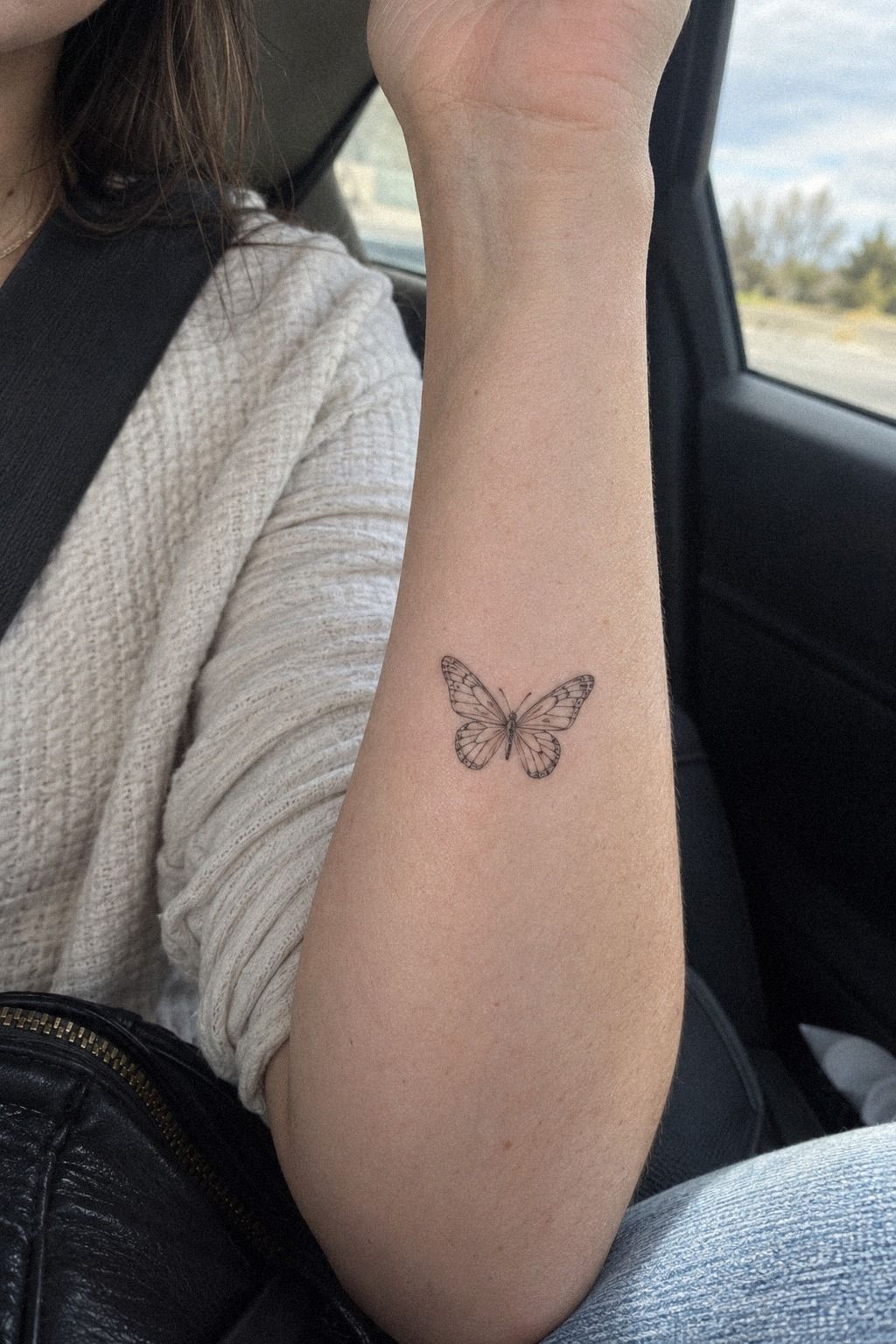
I started with a single-needle cartridge because I wanted the wings to look intricate without becoming heavy. The design had open wings, a narrow body, and symmetrical upper sections, but the lower wings were slightly different.
That small change made it expressive instead of mechanical. I wanted a personal detail, not a copied icon.
My artist printed the stencil at three sizes. The smallest version looked dainty on paper, but the wing veins nearly disappeared when I stepped back.
The middle version was better. It stayed minimal while giving the outline enough breathing space to remain sharp. I chose that one because it looked crisp from twelve inches away.
And I kept the placement simple. The inner forearm felt more tolerable than ribs, feet, hands, or sternum, which are often more sensitive because of bone and thin padding.
I checked tiny small butterfly tattoo references before committing, but I skipped anything with dense shading. The clean version won.
2I Sketched Intricate Wings For Fine Linework
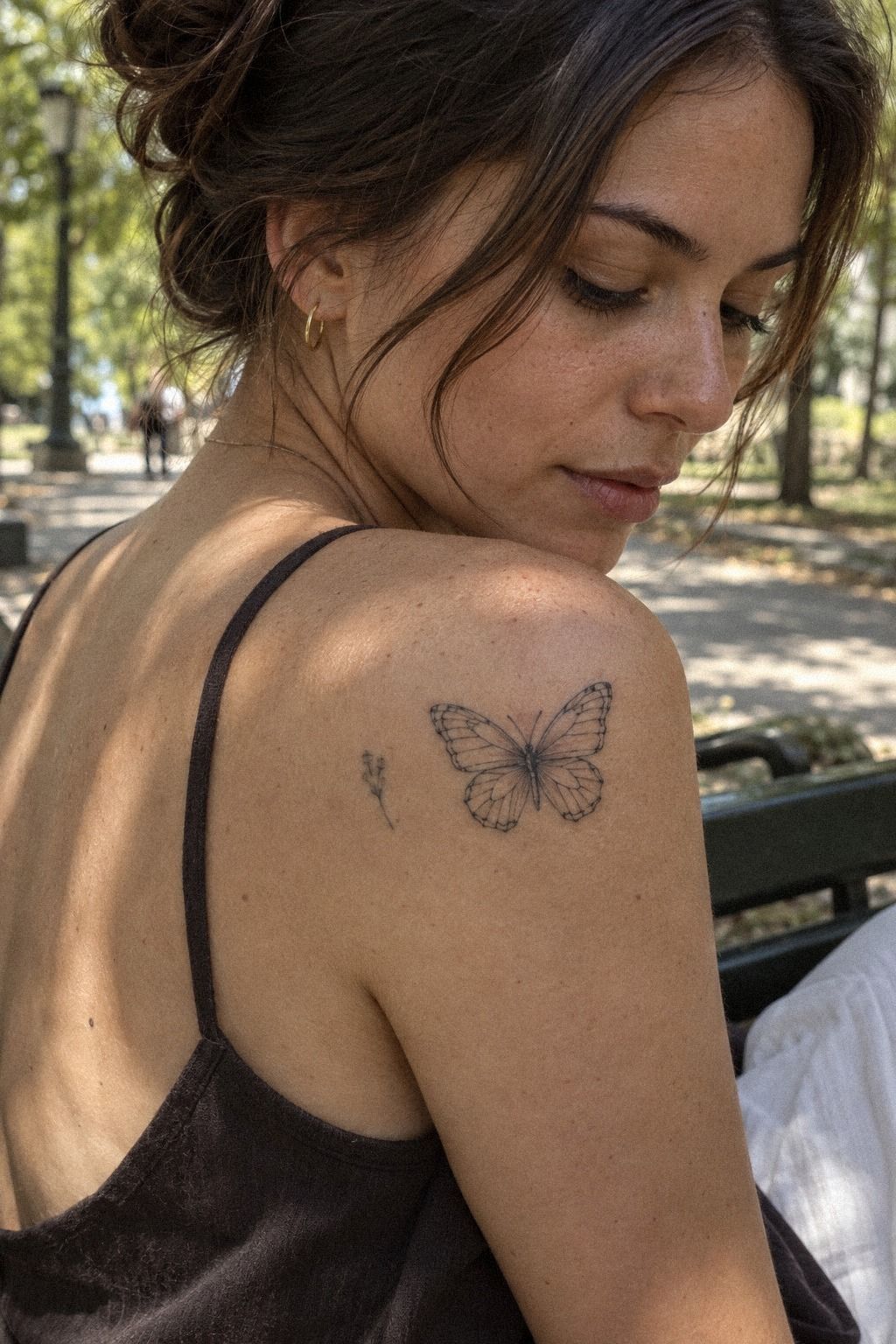
I drew six wing variations with a 0.25 mm tattoo pen before showing my artist the one I liked.
3I Matched Two Dainty Butterflies On My Wrist

For the wrist idea, I tested black stencil transfer paper with two butterflies facing opposite directions. One was slightly smaller, which gave the pair a playful rhythm instead of making them look like identical stamps. I wanted the placement to feel romantic and balanced, but not precious.
The first stencil sat too close to the wrist crease. My artist moved it about half an inch toward the forearm, where movement would be less distracting and the linework had more room. I liked the second position immediately.
It was understated when my arm rested, then visible whenever I turned my hand.
I nearly chose two identical designs, but I wouldn’t do that now. Matching shapes can look polished, yet a tiny difference makes the pair more meaningful.
I linked the idea with tiny butterfly tattoo designs before choosing the final spacing. If you’re planning two butterflies, keep the visual language consistent while allowing one wing shape to carry a small personal variation.

4I Tested A Symbolic Butterfly Behind My Ear
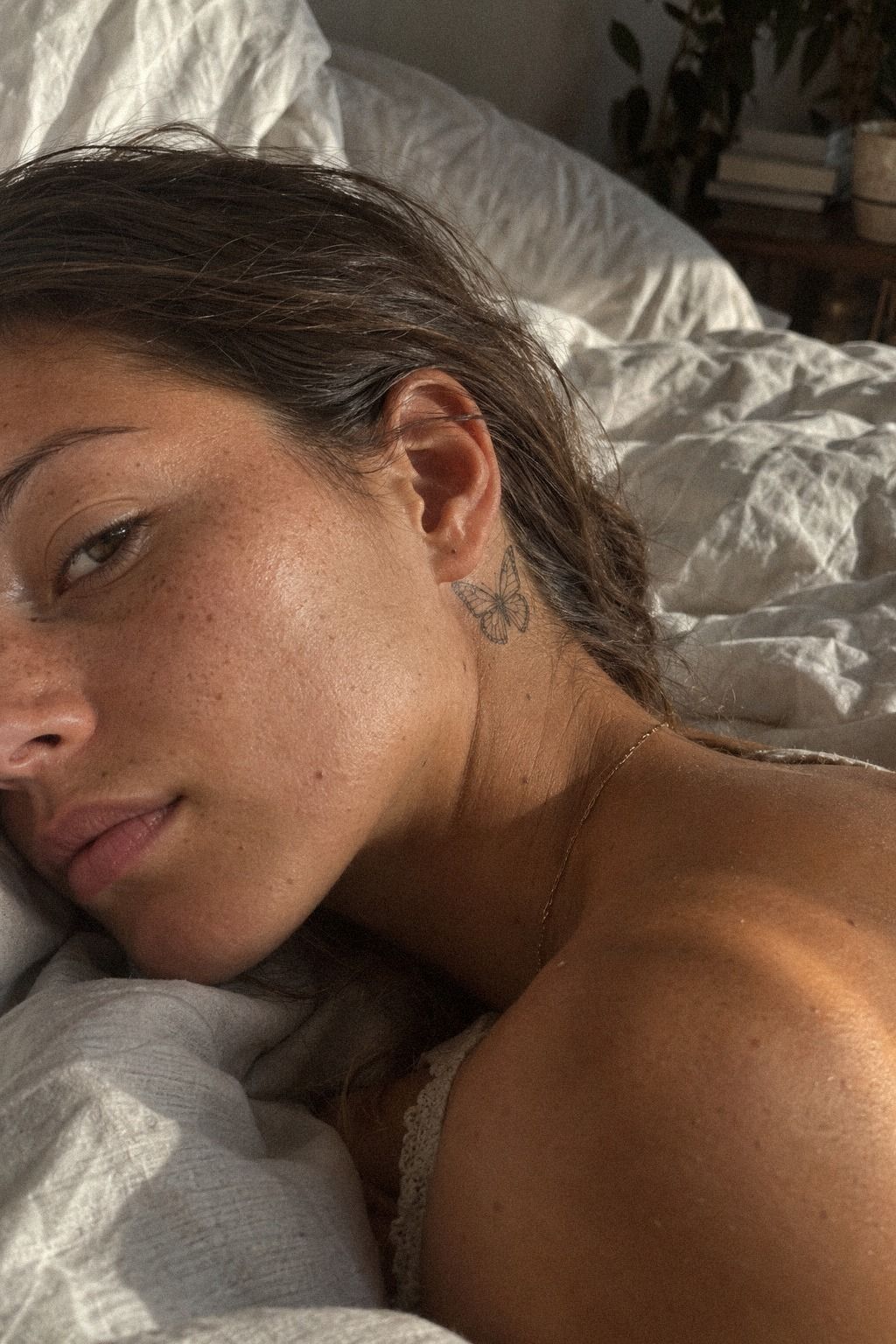
Behind the ear, I chose vegan black tattoo ink and a smaller stencil because the area needed restraint. The butterfly sat just below the hairline, with open wings angled slightly upward. That position made the symbol feel intimate and sacred without making the tattoo impossible to see.
I expected the placement to feel edgy, but it read more ethereal than fierce once the stencil was on. My artist asked me to turn my head in both directions, and that check was worth the extra minute. A butterfly that looks balanced from one angle can tilt strangely when the neck moves.
And the pain was sharper than my forearm, though the session was brief. I wouldn’t choose this spot if you want the easiest first experience.
I compared it with tiny butterfly tattoo examples, then chose the behind-ear placement because the hidden quality felt more symbolic than decorative. The small reveal made me smile every time I tucked my hair back.
5I Compared Bold And Delicate Wing Shapes

I spread out a traditional blackwork flash sheet and compared three directions: solid black wings, thin outlines, and a mixed version with one dark section. The solid option was bold and iconic, but it lost the lightness I wanted. The outline version was delicate, yet it looked too similar to every first sketch.
The mixed version gave me the right tension. One lower wing had a small block of black near the edge, while the other stayed open with fine veins.
That contrast made the butterfly feel expressive and slightly gritty. I liked that it didn’t pretend symmetry was the only path to balance.
My artist also reminded me that solid black generally holds its shape better than extremely fine lines, provided placement and aftercare are good. I chose a controlled amount instead of filling half the design. For more blackwork references, I saved tiny black butterfly tattoo examples, but I skipped full saturation because it would have pushed the design away from my original idea.
6I Positioned Minimal Butterfly Ink Along My Collarbone

The collarbone version used black carbon stencil film and a butterfly with narrow wings that followed the natural line of the bone. I wanted a sleek placement that felt feminine without leaning too ornamental. The curve looked flowing when I moved my shoulder, which made the tattoo feel alive rather than fixed.
This area can be more sensitive because the skin is close to bone. I asked for a short session, and that helped me stay relaxed. My artist placed the stencil slightly below the highest point of the collarbone, where the design would remain readable instead of breaking across the ridge.
But I changed one thing before the needle touched skin. The first stencil sat too horizontally, so the butterfly looked stretched.
Rotating it by a few degrees made the wings feel graceful and natural. If you’re testing collarbone placement, take a photo with your shoulder relaxed and another while moving. That small check can prevent a sharp design from looking awkward.
7I Added Vibrant Details To One Wing

I considered a fully black butterfly, then tested purple tattoo ink in one upper wing. The color was vibrant but controlled, with no watercolor wash or scattered dots. I wanted the piece to remain crisp after healing, so we limited color to one small section instead of tinting every vein.
The asymmetry made the butterfly more daring. One side looked bright and expressive, while the other kept the original fine-line structure. I worried it might feel playful in a way I’d outgrow, but the tiny color mark was more personal than a perfectly matched pair.
And I learned that color needs careful aftercare, especially during the first few weeks. The surface may heal in about 2 to 3 weeks, while the tattoo settles more fully over roughly 2 to 3 months.
I compared color placement with watercolor butterfly tattoo ideas, then chose crisp color over a soft wash. It felt fresh without becoming loud.
8I Selected A Meaningful Butterfly For My Ankle

For my ankle, I chose sterile black ink with a small open-wing silhouette and one curved line through the lower body. The shape represented a change I had postponed for years. It wasn’t a dramatic symbol, but it felt meaningful because I knew exactly why I wanted it.
The ankle made the butterfly look more delicate than the forearm version. I liked that the design could stay private under a sock, then appear with sandals. Still, the skin moves and rubs against footwear, so I didn’t place it directly where a shoe edge would constantly pass.
My artist showed me the stencil while I stood, walked, and bent my ankle. That test changed the angle. The original looked sharp while seated but tilted when I walked.
I chose the adjusted version because it stayed recognizable in motion. If you’re considering another small symbolic creature, tiny moth tattoo ideas can help you compare silhouettes without copying one.
9I Reviewed Sharp Linework Before The Appointment

I reviewed the artist’s healed fine-line portfolio instead of relying on fresh tattoo photos alone.
10I Managed Pain During Tiny Butterfly Tattooing

The white paper stencil looked almost too simple before the appointment, but the split comparison helped me understand what the finished tattoo might do. The healed side had softer edges and less visual intensity than the fresh side. That difference made me calmer before the needle started.
My forearm felt like a hot scratch with short pauses. It wasn’t painless, but it was manageable, and the outline took less time than I feared. Areas with more bone, such as ribs, feet, hands, and sternum, can feel more painful, while the forearm, thigh, and shoulder are often more tolerable.
I kept my breathing steady and didn’t stare at the needle. My artist worked in short passes, and I asked for one break when my wrist tightened.
That’s reasonable. If you’re nervous, eat beforehand, drink water, and tell your artist you’re new. I left smiling!
The appointment felt controlled, not dramatic.
11I Protected My Fresh Butterfly Ink While Healing

After the appointment, I followed the artist’s instructions with fragrance-free aftercare balm and clean hands.
How much it cost
My appointment stayed under $150 because I chose one small design, skipped a long custom drawing session, and used a placement that didn’t require extensive shading. The exact amount I paid was $120 for the tattoo, and I used aftercare I already had at home.
I also checked tiny fine line butterfly tattoo references before requesting a quote, so I could explain the scale clearly. You shouldn’t assume a tiny tattoo always costs very little, because many artists have a minimum. Ask about the minimum, deposit, touch-up policy, and whether the consultation is included.
The price felt fair because the appointment included a custom adjustment, stencil changes, and careful placement. I wouldn’t choose an artist based only on the lowest number. Clean linework and safe studio practice matter more than saving twenty dollars.
Why I Chose Fine Line Over More Ink
I used to think a butterfly needed heavy shading to feel finished. After comparing sketches, I changed my mind.
Fine linework gave me a delicate, timeless shape that still carried emotional weight. The open wings allowed my skin to remain part of the design, which made the tattoo feel more personal.
My favorite version isn’t the most ornate or dramatic one. It’s the crisp outline with one small asymmetrical detail.
That choice kept the piece understated while giving it an expressive edge. I can see why people choose bold blackwork, but it wasn’t right for this particular memory.
There is also a practical reason to leave space. Very fine lines can widen with age, and ultraviolet exposure can soften contrast.
A design with crowded veins has less room for change. I wanted something elegant now and readable later, so I chose fewer marks and better spacing.
I wouldn’t promise that every tiny butterfly tattoo will age identically. Skin, placement, sun exposure, artist technique, and aftercare all matter. Still, the basic rule helped me: choose a strong silhouette first, then add only details that survive the scale.
That made the final design feel polished instead of overloaded.
I saved tiny butterfly tattoo designs while planning, but I didn’t copy one image. I collected wing shapes, placement ideas, and line weights, then asked my artist to combine the parts into something personal. That process made the tattoo meaningful before the appointment even began.
What People Always Want to Know
How much does a tiny unique butterfly tattoos usually cost?
A tiny butterfly tattoo often costs about $100 to $300 in the US, depending on placement, artist, and region. Some studios charge a minimum of about $50 to $100, while hourly rates may run about $100 to $250. Ask for a quote before booking and review tiny butterfly tattoo examples.
Are tiny unique butterfly tattoos a good idea for a first tattoo?
Yes, they can be a good first tattoo because the session is often short and placements such as the forearm, shoulder, or thigh are more tolerable. A clean outline can feel personal without taking over your skin. Browse tiny small butterfly tattoo ideas before choosing your scale.
How do I choose a tattoo artist for tiny unique butterfly tattoos?
Choose an artist with clean linework, healed portfolio photos, and a clear hygiene process. Look for consistent curves and spacing, not only fresh tattoos. Ask about needle groupings, deposits, touch-ups, and placement advice.
You can compare small unique butterfly tattoos before your consultation.
How much do tiny unique butterfly tattoos hurt?
Pain varies by placement. Ribs, feet, hands, and sternum are often more painful, while the forearm, thigh, and shoulder may feel more tolerable. The sensation is usually a sharp scratch with pauses.
A short session, steady breathing, food, and water can make the appointment easier.
How long does a tiny unique butterfly tattoos take to heal?
The surface usually heals in about 2 to 3 weeks, while complete healing can take about 2 to 3 months. Wash gently, moisturize as directed, avoid sun and swimming, and don’t pick flakes. Your artist’s instructions should guide the aftercare, even if tiny black butterfly tattoo photos make you impatient.
What’s the best placement for tiny unique butterfly tattoos?
The forearm and shoulder are strong choices because they tend to be more tolerable and give fine lines room to read. The ankle and behind-ear areas feel more private but may experience more rubbing or sensitivity. Compare tiny butterfly tattoo designs before choosing visibility and scale.
Where I’d Start First
If I had to pick one, I’d start with the inner forearm. It’s easier to inspect while healing, usually more tolerable than bony placements, and gives fine lines enough space to stay readable. Pin this guide for your appointment notes, then let your artist adjust the stencil to your body.

