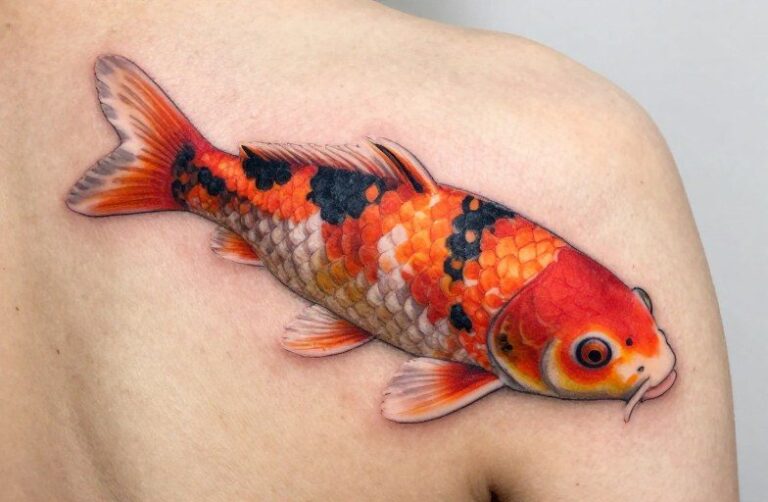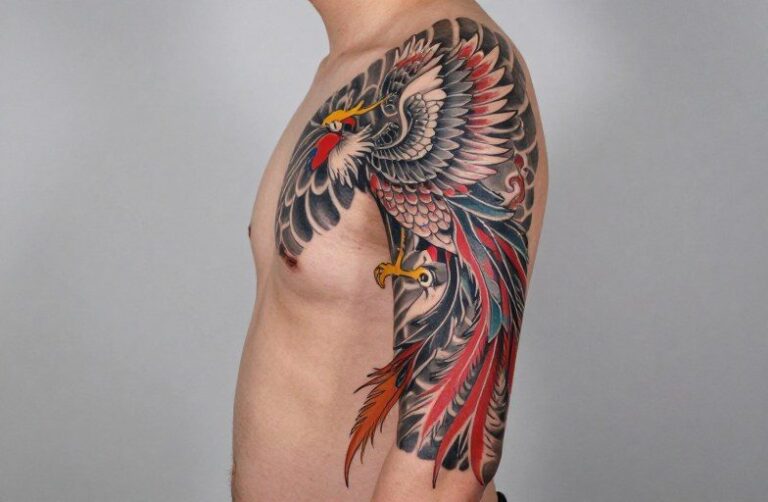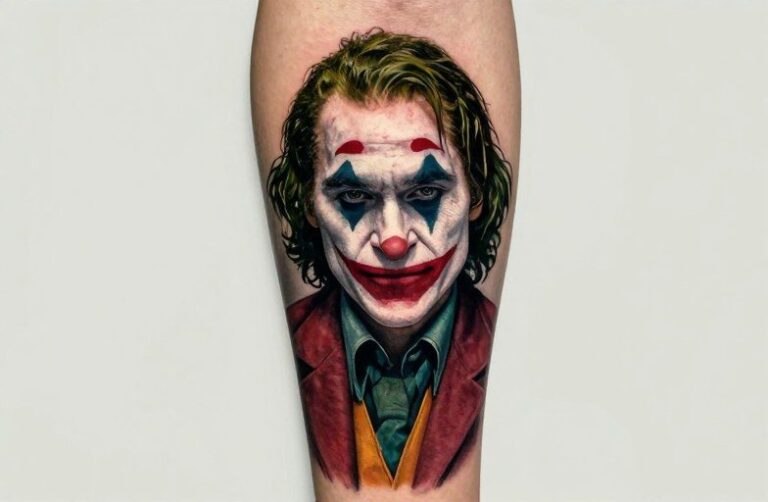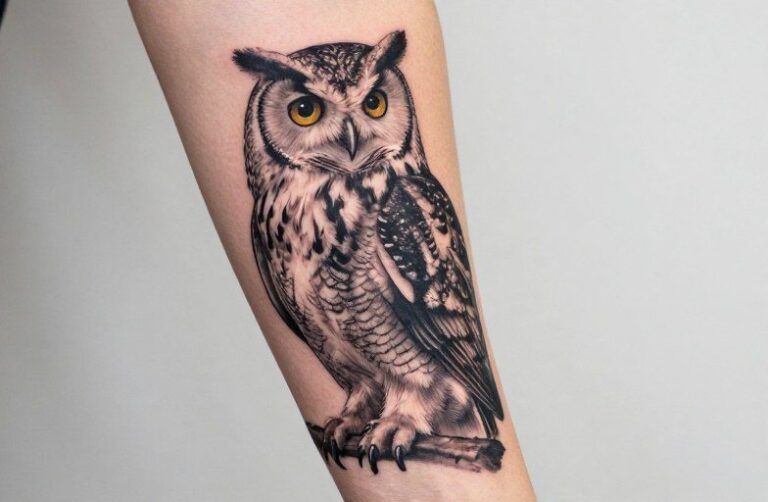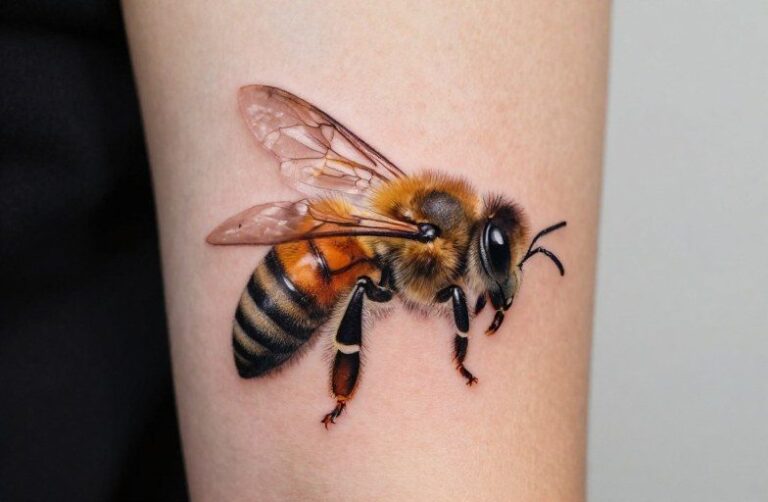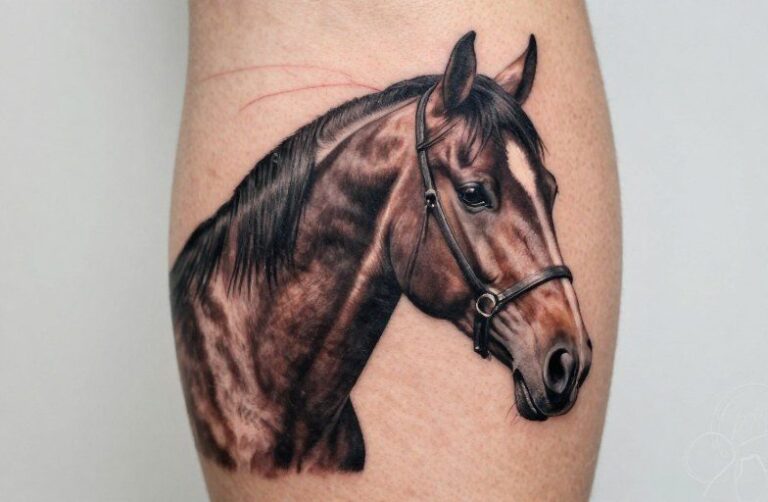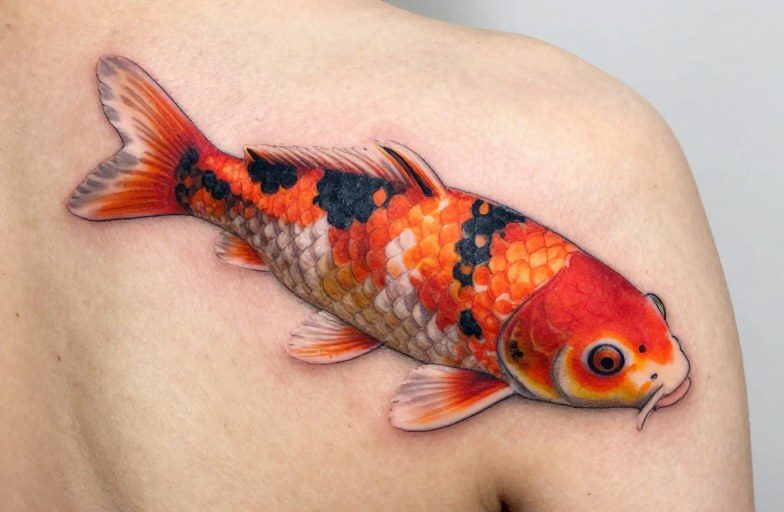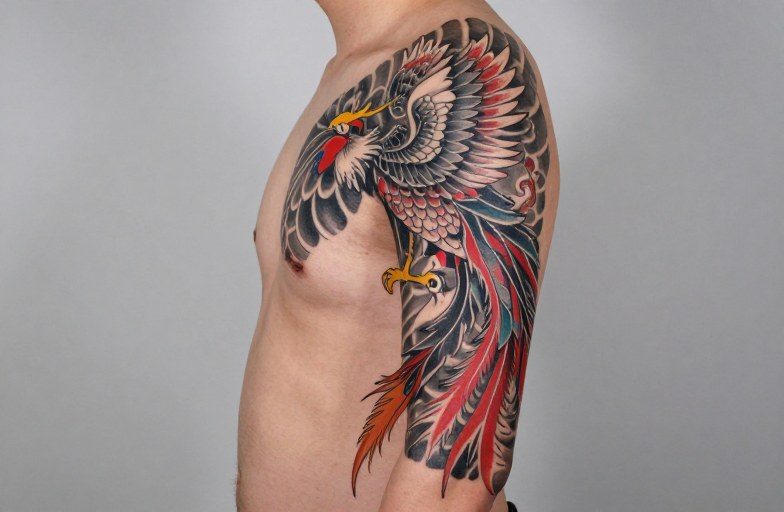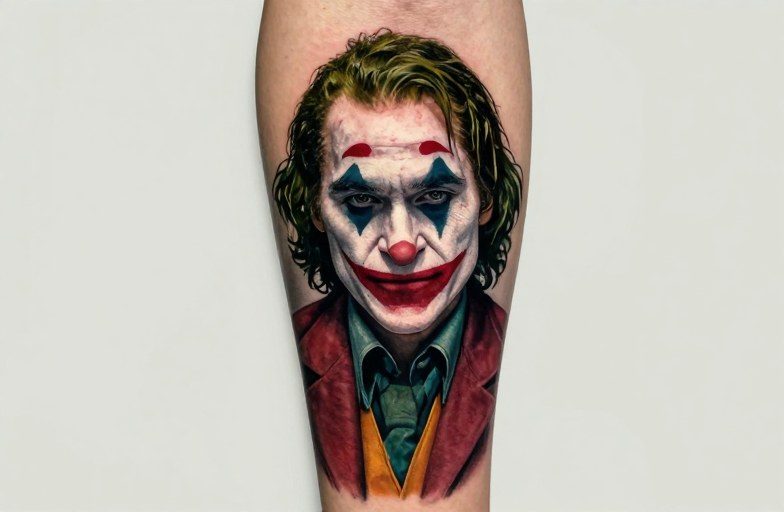
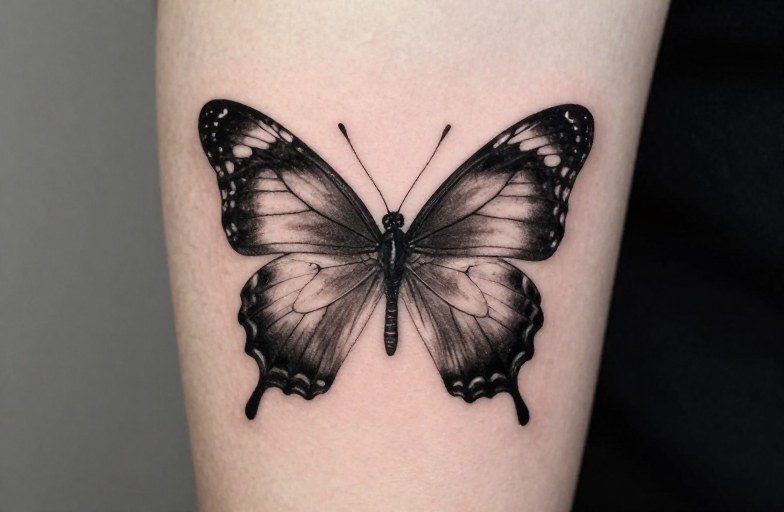
A realism butterfly tattoo reproduces the actual insect with photographic accuracy, veined wings, iridescent color shifts, fuzzy thorax, and all. Unlike traditional or neo-traditional butterflies built from bold outlines and flat color fields, the realism approach relies on smooth gradients, absence of black linework, and careful attention to how light falls across wing scales. The result can look pinned to the skin mid-flight or resting on a surface, depending on composition and shadow placement.
Origins & History
Realism as a tattoo style solidified in the late 1990s and early 2000s as equipment improved, coil machines capable of softer saturation, better needle groupings for smooth shading, and a generation of artists studying oil painting and photography rather than just flash sheets. Butterflies entered this vocabulary naturally. They offer complex color, symmetrical structure, and cultural resonance across nearly every tattoo clientele.
From Natural History to Skin
Before realism took hold, butterfly tattoos were almost exclusively traditional or decorative. The shift toward lifelike lepidoptera often linked to the broader fine-art tattoo movement, particularly in Southern California and parts of Europe where artists began referencing macro photography and entomological illustration. Some trace the specific popularity of realistic monarchs and blue morphos to the mid-2000s, when social media first allowed artists to broadcast hyper-detailed work to global audiences.
Symbolism vs. Aesthetic
Butterflies carry transformation symbolism in many cultures, but the realism style tends to attract people who want the look of the creature more than the metaphor. A photorealistic monarch says “I studied this insect” differently than a traditional butterfly says “I went through a change.” The style choice itself becomes part of the statement.
Linework & Technique
Here’s where realism butterflies diverge most sharply from other styles: there is essentially no linework. Or rather, the “lines” are created by value shifts, darker pigment where wing veins would appear, lighter saturation where scales catch light. A single misplaced dark patch can read as a scar or muddy blob once healed.
Color Saturation Strategy
- Orange and black monarch patterns require warm yellows layered under oranges, then deep browns or soft blacks for vein structure, never pure black outlines.
- Blue morphos and iridescent species demand white highlights and sometimes grey or violet undertones to prevent the blue from healing muddy or greenish.
- White ink alone on darker skin tones often heals to a raised, yellowish scar; artists typically substitute negative space or very light grey for “white” areas.
Texture Work
The fuzzy body of a butterfly, thorax and antennae, separates mediocre realism from convincing work. Artists build this with stippling, single-needle texture, or extremely soft whip shading. Antennae are often done with one-pass greywash or even pulled directly from a single needle to maintain that hair-thin quality. Thick, dark antennae read immediately as amateur.
Best Placements
Realism butterflies demand flat or gently curved surfaces where the artist can maintain consistent needle depth and the eye can read the full image without distortion. The wing shape also needs room to breathe; cramming a spread-wing monarch into a 2-inch space loses every detail that makes the style worthwhile.
Where Detail Survives
- Upper outer arm/shoulder: flat plane, easy to heal, scales read clearly from conversational distance.
- Thigh (front or side): large canvas, minimal daily friction during healing, excellent for a butterfly in flight with trailing shadow.
- Upper back/shoulder blade: stable skin, good for larger compositions with multiple insects or botanical elements.
- Forearm (inner or outer): visible, but sun exposure here is relentless, plan for touch-ups or commit to sunscreen.
Problem Areas
Ribs and sternum move too much during the session, making smooth gradients difficult to execute. Hands and feet shed skin rapidly and take abuse; fine detail vanishes within months. Neck skin is thin and often sun-damaged. A realism butterfly on any of these locations usually softens into a generic colored blob within two years.
How It Ages
Realism tattoos age harder than traditional or bold neo-traditional work. The style’s reliance on subtle value shifts means those shifts flatten over time as ink particles disperse and the immune system gradually breaks down pigment. What reads as delicate veining at year two may read as vague grey smear at year ten.
Color Fading Specifics
Yellows and oranges in monarch patterns generally hold better than blues. Ironically, the blue morpho, one of the most requested realism butterflies, uses blue pigments that are notoriously unstable in skin. Cobalt and cerulean derivatives often shift grey-green as they fade. Artists compensate by packing blue more densely than seems necessary fresh, or by adding violet undertones that warm the healed result.
Keeping It Legible
- Start with slightly higher contrast than the reference photo; the eye adjusts, skin does not.
- Avoid tiny detail below 3mm, antennae tips, individual wing scales, dewdrops. These disappear first.
- Plan for a refresh at 5-8 years, especially on color-dominant pieces. Black and grey realism butterflies age more gracefully.
Choosing the Right Artist
Not every realism artist handles insects well, and not every talented butterfly painter works in photorealistic style. You need someone whose portfolio shows actual completed (and healed) lepidoptera, not just one or two fresh pieces. Fresh tattoos lie. Healed work reveals whether the artist understands how pigment settles in wing-shaped color fields.
What to Examine in a Portfolio
- Healed photos, not just fresh studio shots. Ask directly; many artists keep them.
- Smooth transitions between colors, no banding, no visible needle marks in soft areas.
- Accuracy of insect anatomy: correct wing venation, proper body proportions, antennae that taper naturally.
- Experience with your skin tone. Pigment behaves differently across melanin levels; an artist who only shows work on very light skin may not have solved the saturation puzzles darker skin demands.
Red Flags
Heavy reliance on stencils printed from photographs without artistic interpretation. Overuse of white ink for highlights (it rarely heals as bright as it looks fresh). Inability to explain their color mixing strategy for blues or iridescent effects. An artist who tattoos butterflies exclusively from one angle, always spread wings, never perched, may be repeating a comfortable formula rather than understanding the form.
Who It Suits
The realism butterfly suits people who want the insect itself, not a symbol filtered through tattoo tradition. It appeals to collectors with existing fine-art or portrait tattoos who understand the maintenance commitment. It works for first-timers only if they’re prepared for longer sessions, higher cost, and the reality that this piece will need attention in five years where a traditional tattoo might not.
Commitment Level
A palm-sized realism butterfly takes 3-4 hours minimum. A full upper arm composition with multiple species and botanical elements can span multiple full-day sessions. The style demands patience during healing, no picking at scabs, no sun exposure, no swimming until fully closed. The result is stunning when fresh and remains striking for years if cared for, but it asks more of you than a bold traditional piece ever will.
The Bottom Line
A realism butterfly tattoo is a technical challenge for the artist and a maintenance commitment for the wearer. Done well, it captures the alien precision of an actual insect, something no other tattoo style attempts. Done poorly or placed badly, it becomes an expensive, colorful blur within a few years. Research your artist’s healed work, choose placement for longevity, and budget for future touch-ups. The butterflies pinned in natural history museums lasted because they were kept from light and handling. Your skin offers neither protection, so plan accordingly.
Frequently Asked Questions
How much does a realism butterfly tattoo typically cost?
Expect $400-800 for a small, single-session piece from a specialist, and $1,500+ for larger compositions requiring multiple sessions. Realism demands slow, careful work; artists charging traditional-style hourly rates for this level of detail are usually cutting corners somewhere.
Can a realism butterfly tattoo be done in black and grey instead of color?
Absolutely, and it often ages better. Black and grey realism relies on value contrast rather than color saturation, which holds crisper over time. The tradeoff is losing the species-specific color that makes a monarch or morpho instantly recognizable.
Why does the blue in my reference photo look different from healed blue butterfly tattoos?
Blue tattoo pigments are chemically less stable than blacks, reds, or earth tones. They often heal darker and can shift toward grey or green as they age. A skilled artist compensates by adjusting the mix and density, but exact photographic blue is rarely achievable long-term.
How soon after getting a realism butterfly can I go swimming or tan?
Wait until the surface is fully closed, typically 2-3 weeks minimum, longer for heavy color packing. After that, sunscreen is non-negotiable for color realism. UV exposure fades and blurs the subtle gradients that define this style faster than almost any other factor.