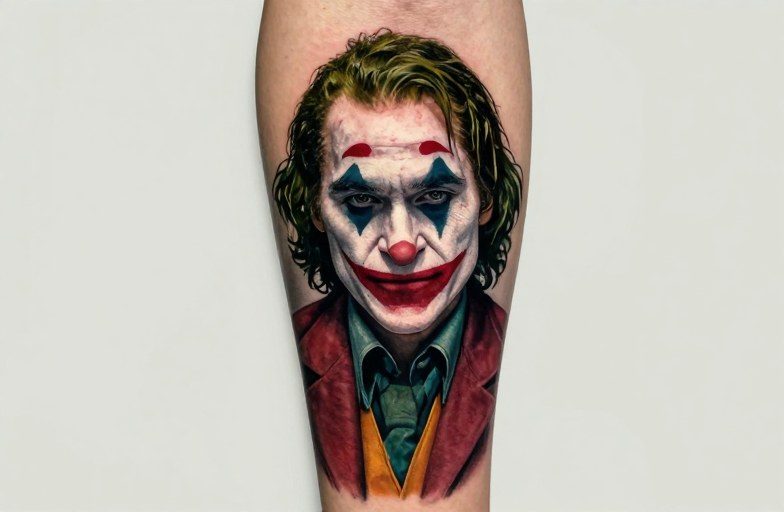
The Joaquin Phoenix Joker tattoo carries the weight of Arthur Fleck’s fractured psyche: a symbol of isolation pushed to its breaking point, the violence of being unseen, and the terrifying freedom that comes when social masks finally crack. Unlike the comic-book trickster, this version speaks to anyone who has felt the system grind them down, though the tattoo walks a tightrope between identifying with that pain and glorifying the explosion that follows.
Who Chooses This Tattoo
People drawn to this image are rarely seeking the Joker as a villain to cheer for. The 2019 film stripped away the cartoon chaos and left something more uncomfortable: a man failed by every institution meant to catch him. The tattoo tends to find skin that has its own history of being overlooked.
The Appeal of the Antihero
There’s a specific type of identification that happens here. Not with the violence, but with the suffocation that precedes it. The bathroom dance scene, the uncontrollable laughter, the notebook scrawls, moments of private unraveling that society punishes or ignores. The tattoo becomes a way to say: I have been that invisible, that misread, that close to the edge. For some, it marks survival of that period rather than a celebration of what came after.
When the Image Backfires
Context matters with this piece. The red smile and green hair have been adopted by online movements that miss the film’s point entirely, using the image to excuse cruelty as some form of justified rebellion. A good artist will push back if the energy feels off, this tattoo deserves the conversation about why someone wants it, not just where and how big. The best versions come from people who understand the tragedy, not those who want to cosplay nihilism.
Common Variations & Styles
The reference material is specific and cinematic, which gives artists a narrow but rich visual vocabulary to work from.
- The staircase dance portrait: Full body or cropped, arms wide, the moment of transformation. Works best at medium size with enough space for the pose to read.
- The face close-up: The smeared clown makeup, the hollow eyes, the smile that doesn’t reach anything. This is where detail matters most, bad line work on the eyes kills the whole piece.
- The laughing silhouette: Profile or three-quarter view, mouth open in that painful, involuntary burst. Often paired with negative space or cityscape elements.
- The notebook page: Handwritten text, “The worst part of having a mental illness is people expect you to behave as if you don’t,” rendered in script with the face emerging from the letters.
- The dual face: Arthur Fleck on one side, Joker on the other, split down the middle or morphing between states. Requires serious technical skill to avoid looking like a bad Photoshop.
Realism dominates this subject, but neo-traditional and blackwork interpretations can work if the artist understands the source material well enough to simplify without losing the specific Phoenix features, the protruding spine, the sunken chest, the way he holds his mouth.
Best Placements
The emotional weight of this image pushes it toward placements that carry significance, not just visibility.
High-Visibility Locations
The forearm, outer calf, and side of the thigh all give enough flat real estate for a readable portrait without the distortion that comes from wrapping around curves. The forearm in particular suits the staircase image, every time the wearer raises their arm, the pose echoes. These placements also invite conversation, which some want and others should consider carefully before committing.
More Private Canvas
The ribs, upper arm under a sleeve, and the outer edge of the thigh under shorts line offer concealment. The rib placement especially resonates with the film’s themes: the character’s literal ribs showing through his shirt, the vulnerability of that part of the body, the way the tattoo breathes and moves with expansion. For a first large piece, though, ribs are brutal, thin skin, bone proximity, long sessions. The healing is slow and the aftercare demanding.
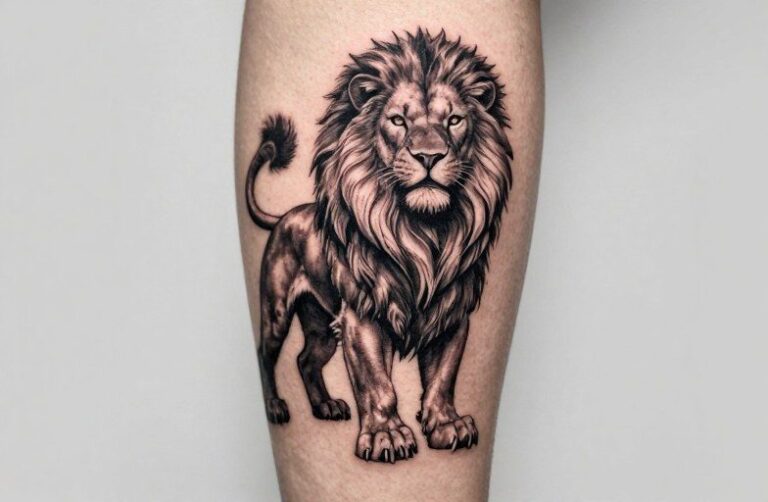
Hand and neck placements happen but read as aggressive in a way the film isn’t. For reference on how neck placements function as confrontational statements, the lion neck tattoo visibility guide covers what that placement signals. The face of this Joker isn’t a threat; it’s a wound. Putting it where traditional tattooing reserves for the most confrontational imagery changes the meaning in ways most wearers don’t intend.
Color vs Black and Grey
The 2019 film’s palette is muted, mustard yellows, faded greens, the red of the suit that almost looks like dried blood. This gives two distinct approaches.
Black and grey with selective color is the most common and arguably most effective choice. The face rendered in graphite tones, the hair in muted green, the suit in that specific burnt orange-red. The selective color draws the eye to the transformation elements while keeping the overall mood heavy. Full color can work but risks looking like a movie poster rather than a tattoo; the saturation needs to be pulled back, aged, made to feel like a memory rather than a still.
Pure black and grey loses the green hair and red smile that make the character recognizable, but gains something else: the Arthur Fleck before, the grey of institutions and medication and winter light. Some of the most powerful pieces I’ve seen go this route, focusing on the man rather than the makeup, the tragedy rather than the release.
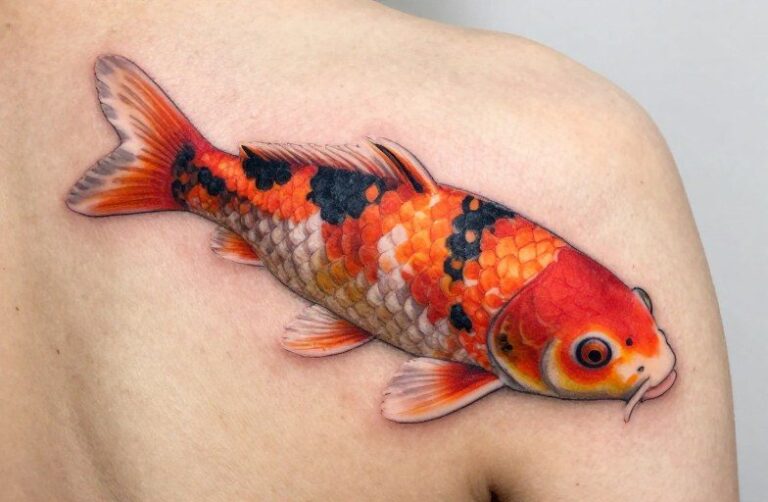
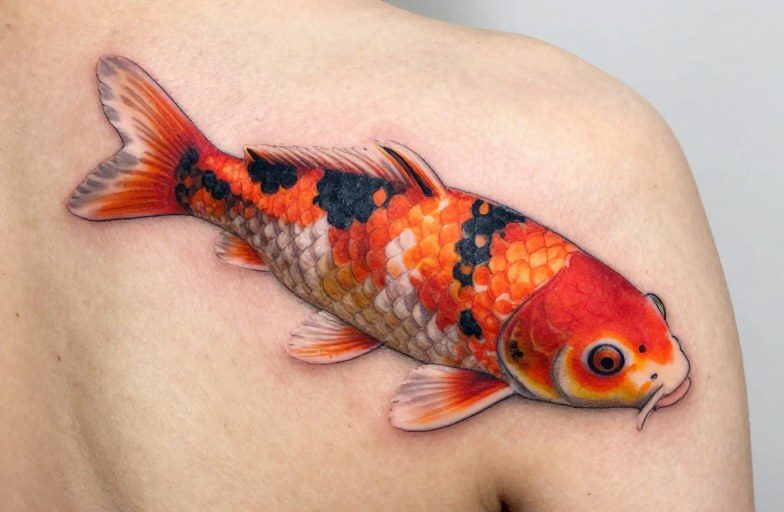
Over time, red in tattoos tends to fade fastest, sometimes to a muddy pink. Green holds better but can shift toward blue depending on the ink batch. Black and grey ages most predictably, which matters for a piece where the emotional tone needs to stay intact. The same aging considerations apply to other detailed color work like Japanese koi tattoos, where reds and yellows soften fastest.
Mythology & Folklore
The Joker archetype predates comics and cinema, though the connections are often linked to rather than directly traced. The court jester held license to speak truth to power, to mock the king without losing their head, until they pushed too far. The fool in tarot walks the cliff edge, innocent or oblivious depending on the reading. Arthur Fleck inverts both: he has no license, his truth is unwanted, and his fall is not into wisdom but into explosion.
The Trickster’s Shadow
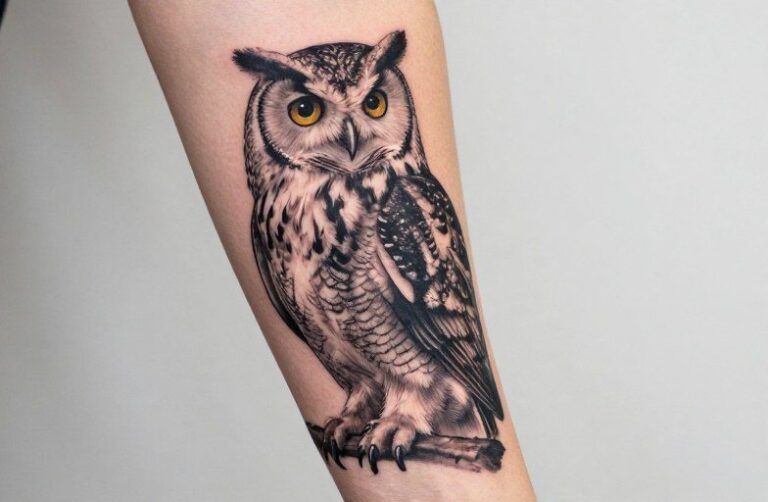
Cross-cultural trickster figures, Loki, Coyote, Anansi, survive through adaptability, through bending rules rather than breaking them completely. Night-associated symbols like the guardian owl carry related shadow-archetype weight in tattoo symbolism. This Joker breaks. The tattoo taps into something darker than the trickster tradition: the scapegoat who returns, the expelled member whose exclusion becomes the community’s destruction. It’s a warning as much as an identification, though that warning gets lost when the image is worn without context.
The Modern Monster
Horror has always given form to collective anxieties. The 2019 Joker emerged from fears about mental health systems, economic abandonment, and the violence of isolation. The tattoo carries that timestamp whether the wearer intends it or not. It will read differently in ten years, as all timely pieces do, some becoming dated, others becoming historical markers of a specific cultural mood.
Design Tips & Pairings
Building around this image requires restraint. The face is already doing maximum emotional work; surrounding it with noise diminishes the impact.
- Complementary elements: The staircase itself, rendered as architecture rather than scene. The Murray Franklin show microphone. The city skyline in negative space. These ground the portrait without competing.
- Text pairings: If using script, keep it minimal and from the film’s actual dialogue. “All I have are negative thoughts” works better than generic “chaos” quotes. The handwriting should match the notebook aesthetic, erratic, pressured, not calligraphic.
- What to avoid: Playing cards, traditional clown imagery, bats, or Harley Quinn references. These belong to other Jokers, other stories. Mixing them in shows the artist didn’t understand the specific source.
- Background treatments: Solid black negative space behind the head creates the isolation the character lives in. Newspaper texture, weathered and peeling, speaks to the mother’s delusions and the public’s consumption of his breakdown. Avoid smoke, clocks, roses, tattoo tropes that apply to anything.
Line weight matters enormously here. The face needs fine, nervous lines for the fragility; the hair and suit can take heavier, more confident strokes. The contrast between them creates visual tension that mirrors the character’s fracture.
Final Thoughts
The Joaquin Phoenix Joker tattoo is not a fun piece. It demands technical excellence from the artist and emotional honesty from the wearer. The best versions don’t look cool, they look heavy, which is the point. If you’re considering this, sit with the image longer than you think necessary. The film gives you permission to feel for Arthur Fleck; the tattoo asks you to claim some part of that feeling as your own. Make sure it’s the pain and not the explosion that you’re carrying. The ink will last longer than the cultural moment, and you want something on your skin that ages into meaning rather than embarrassment.
Frequently Asked Questions
Does this tattoo make people think I’m violent or unstable?
The image carries that risk depending on placement and context. A realistic portrait in a visible spot will read differently than a more stylized piece somewhere concealable. The film’s cultural footprint means most people recognize the specific version, but not everyone has seen it or understood its intent. Be prepared to own the conversation it starts.
How do I find an artist who can do the Phoenix features justice?
Look for portrait specialists with film or celebrity work in their portfolio, not just comic-style Jokers. The sunken cheeks, specific smile shape, and body language are subtle. Ask to see healed photos of similar work, realism often photographs well fresh but falls apart if the saturation wasn’t right or the lines too fine.
Is the bathroom dance scene too overdone to be original?
It’s the most iconic image from the film, which means it’s been tattooed frequently. Originality comes from execution and personal framing rather than avoiding the reference entirely. A skilled artist can find an angle, a crop, or a compositional approach that makes it yours without abandoning what makes it recognizable.
Can this work as a smaller piece or does it need to be large?
The face needs minimum four to five inches of height to hold detail in the eyes and mouth, anything smaller loses the specific expression that makes it Phoenix rather than generic clown. Simpler silhouettes or symbolic elements can go smaller, but the portrait’s power is in the nuance, which demands space.