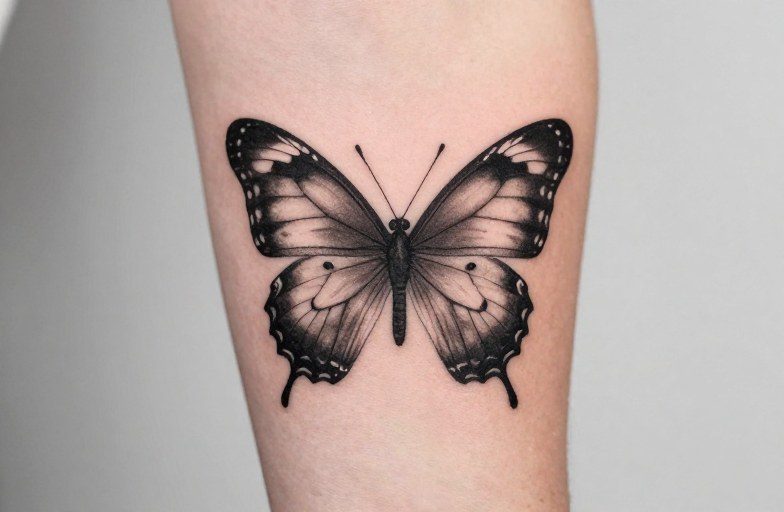
A strength butterfly tattoo carries a specific, layered meaning: the butterfly’s natural life cycle, egg to caterpillar to chrysalis to winged adult, mirrors human struggle and emergence. Adding “strength” to this imagery shifts the focus from passive change to active, hard-won transformation. It honors the fight it took to become who you are, not just the result.
Symbolism & Core Meaning
The Metamorphosis as Survival
Butterflies undergo complete metamorphosis, a biological process that destroys nearly every cell of the caterpillar’s body before rebuilding. That destruction-reconstruction cycle resonates with anyone who has survived trauma, addiction, grief, or major life upheaval. The “strength” element explicitly claims ownership of that process, it wasn’t luck or timing, it was endurance.
Common symbolic threads include:
- Resilience after loss: The chrysalis stage as a dark period survived
- Physical recovery: Post-illness, post-surgery, or chronic condition management
- Emotional breakthrough: Therapy, sobriety, or leaving harmful relationships
- Quiet persistence: The butterfly’s actual flight, fragile-looking but capable of migration across continents
Why “Strength” Changes the Symbol
Standard butterfly tattoos sometimes read as purely decorative or generic. Specifying strength reclaims the image from softness alone. It acknowledges that transformation hurts, that emergence requires force, and that beauty can be earned rather than given. The wings become trophies, not ornaments.
Personal & Modern Meanings
Contemporary wearers often layer additional symbols to narrow the meaning. A semicolon incorporated into the body or antennae signals mental health survival specifically. Dates, birthdays of children, sobriety anniversaries, death dates of loved ones, anchor the abstract in concrete memory. Some add armor plating, cracked wings that still function, or the butterfly emerging from concrete rather than a chrysalis.
Placement also personalizes meaning:
- Over scars: Surgical, self-harm, or injury scars; the butterfly literally covers damage survived
- Inner forearm: Visible to the wearer during daily tasks, a private reinforcement
- Upper back/shoulder blade: Wings spread across muscle groups used for lifting, carrying, labor, literal physical strength
- Ribcage: Painful placement echoing the pain of transformation; also near the heart
Gender and the Strength Butterfly
Butterfly imagery has been marketed heavily toward women, but the strength variant draws across gender lines. Men often choose darker color palettes, geometric wing patterns, or pair the butterfly with barbed wire, clock faces, or tool imagery. The core meaning, survival through destruction, transcends demographic assumptions.
Design Tips & Pairings
Visual Elements That Read as “Strength”
Line weight matters. Heavy black outlines, structural geometric patterns within the wings, or partial mechanical/industrial detailing shift the visual tone from ethereal to grounded. Shattered or reconstructed wing sections, one wing fully formed, the other showing wireframe or bone structure, visually literalize the struggle.
Color choices carry weight:
- Black and grey: Grit, seriousness, timelessness; ages most predictably
- Deep red accents: Blood, sacrifice, cardiac survival
- Metallic golds/coppers: Kintsugi influence, repair as beauty
- Muted purples: Often associated with domestic violence survival awareness
Complementary Imagery
Popular pairings include lotus flowers (mud-to-bloom parallel), phoenixes (shared destruction-rebirth cycle), chains breaking, or mountainous landscapes behind the wings. Text integration works when kept minimal, single words, short phrases, or dates in small clean lettering. Large script banners across butterfly wings tend to age poorly and obscure the wing structure.
History & Cultural Roots
Butterfly symbolism appears across cultures, though specific “strength” associations are more recent. Ancient Greek used the same word, psyche, for butterfly and soul. In Mexican tradition, the monarch butterfly is often linked to Día de los Muertos and ancestral return, though the strength framing is a modern overlay. Some trace Japanese butterfly motifs to geisha culture and romantic transformation, while samurai armor sometimes featured butterfly crests symbolizing the soul’s fearlessness in death.
The “strength butterfly” as a named tattoo category largely emerged from mental health awareness movements of the 2000s-2010s, particularly alongside the semicolon tattoo’s popularization. It represents a shift from tattoos as decoration to tattoos as autobiography, wearers wanting credit for the work of surviving, not just the fact of having survived.
Indigenous and Contemporary Respect
Some Native American traditions associate butterflies with change and joy, though specific tribal meanings vary significantly. Modern wearers should avoid appropriating specific sacred patterns (Navajo weaving designs, for instance) unless they have genuine cultural connection. Generic butterfly forms carry no such baggage.
How It Ages on Skin
The Fine Line Problem
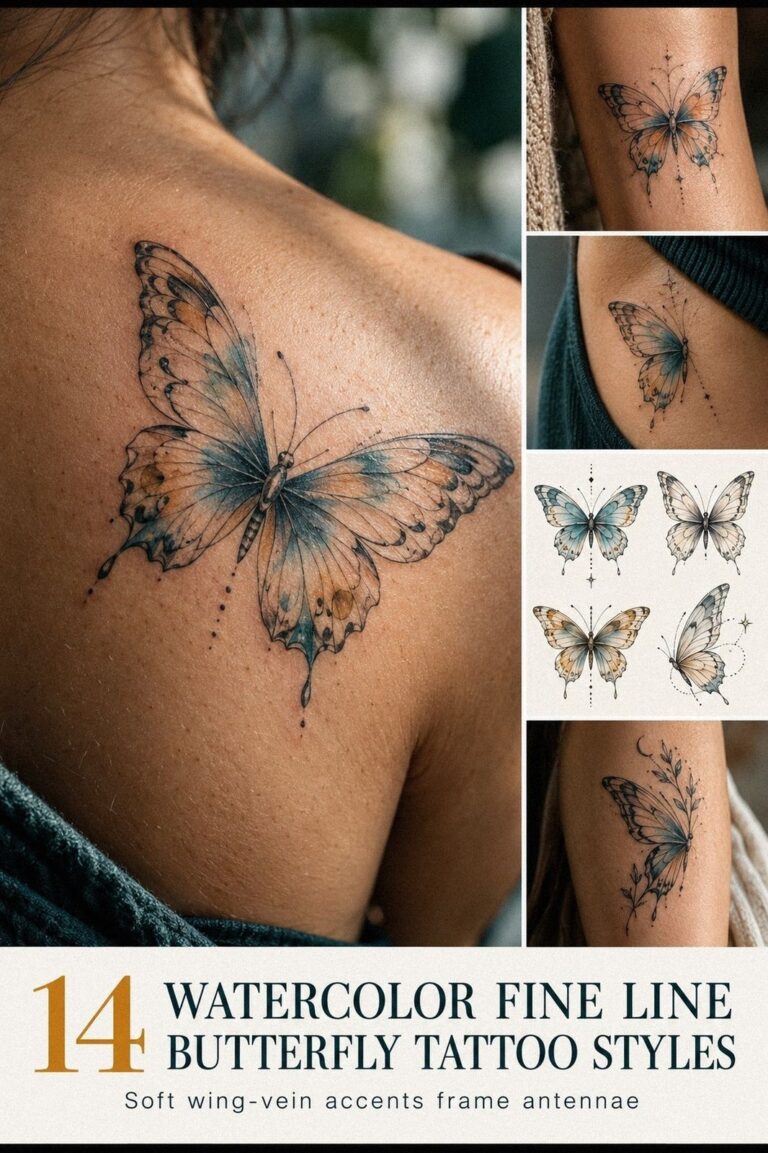
Butterfly tattoos age based heavily on initial line quality and placement. Wing edges with extremely fine lines blur within 5-10 years, especially on high-movement areas like wrists, ankles, or collarbones. The strength variant’s heavier linework actually ages better than traditional delicate butterfly designs, those bold outlines hold definition longer.
Shading techniques affect longevity:
- Whip shading: Soft gradients, pretty initially, prone to muddying as skin changes
- Stippling/dotwork: Holds texture longer, reads as strength through density
- Solid black saturation: Most durable; geometric strength butterflies benefit from this
- Color packing: Bright pigments (especially yellows, light blues) fade fastest; plan for touch-ups
Placement for the Long Haul
Upper arms, thighs, and upper back age most gracefully, less sun exposure, less skin stretching from weight fluctuation, less daily friction. Ribcage butterflies often stretch significantly with pregnancy or major weight change. Hand and foot placements fade rapidly and require frequent maintenance; the strength message may not be worth the upkeep for some wearers.
Who Chooses This Tattoo
The strength butterfly attracts people who want their survival visible but not loudly announced. It offers symbolic density without requiring explanation, those who know, know. Common contexts include post-cancer recovery, sobriety milestones, leaving religious communities, surviving assault, or rebuilding after financial collapse. Parents sometimes get them after children’s health crises, embodying the strength required to advocate and endure alongside a child’s suffering.
It’s also chosen by people in helping professions, nurses, social workers, therapists, who witness transformation daily and need reminders of its possibility. The image functions as both personal testimony and professional grounding.
What It Replaces
Some wearers come in considering semicolons, phoenixes, or simple word tattoos (“survivor,” “warrior”). The strength butterfly often wins because it combines narrative (the transformation story) with aesthetic flexibility (can be tiny or large, colorful or monochrome, realistic or abstract) and avoids the cliché accumulation of overused recovery symbols.
Final Word
A strength butterfly tattoo works when the image matches the lived experience, when the wearer genuinely recognizes the chrysalis period in their own history. The best ones carry specific, private coordinates: this date, this body, this scar underneath. Without that specificity, it risks becoming pretty wallpaper. With it, the wings carry real weight.
Frequently Asked Questions
Does a strength butterfly tattoo always have to include the word ‘strength’?
No. Most communicate strength through visual weight, bold lines, dark color, broken-then-repaired wings, or placement over scars. The word itself is optional and often less powerful than the imagery.
How much should I expect to pay for a quality strength butterfly tattoo?
Small simple designs run $150-300; medium pieces with detailed wing work $400-800; large custom work with heavy shading or color $800-1500+. Book an artist whose portfolio shows strong line consistency and healed photos, not just fresh work.
Can a strength butterfly cover an old tattoo I regret?
Often yes. The wing shape accommodates cover-ups well, dark wing bases and body sections can hide older ink. Consult specifically with a cover-up specialist; not every butterfly artist has that skill set.
What’s the most common mistake people make with this design?
Going too small and too detailed. Tiny butterflies with intricate wing patterns blur into grey blobs within years. Prioritize readable shape and strong outline over micro-detail; you can always add detail later.

Leave a Reply