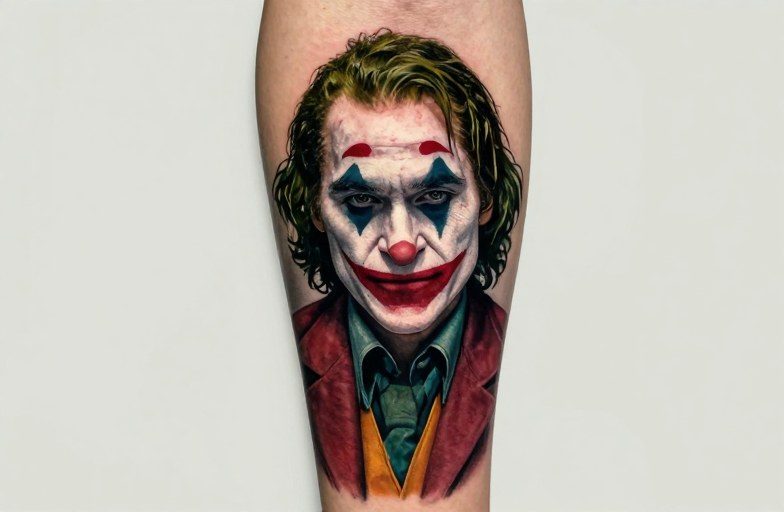
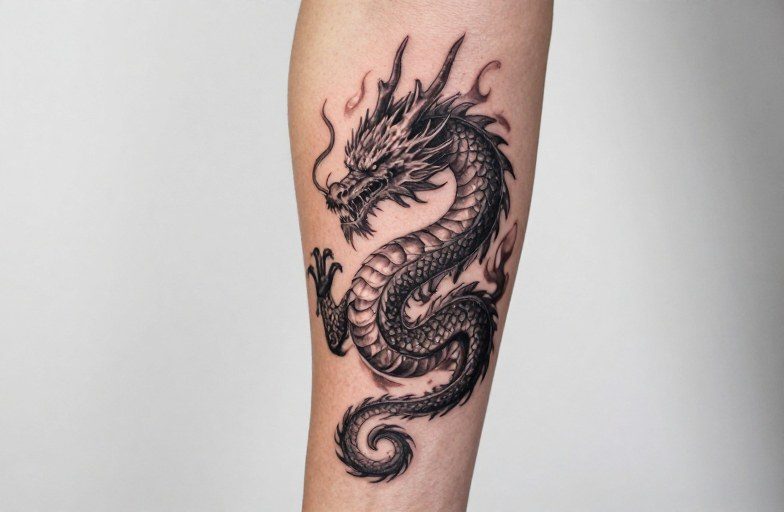
The dragon of the darkness flame tattoo represents the union of two potent forces: the dragon as ancient power and wisdom, and darkness flame as destructive energy that can be harnessed rather than feared. Together, they symbolize transformation through trial, the strength found in shadow, and the ability to wield one’s own destructive potential as a tool for growth. It’s not about evil, it’s about mastering what others run from.
Symbolism & Core Meaning
At its heart, this design speaks to duality. The dragon breathes flame; the darkness colors it. That tension between light and shadow, creation and destruction, sits at the center of the symbol. People drawn to this tattoo often connect with themes of rebirth through difficulty, or the idea that real power comes from integrating what society labels as dark or unacceptable.
Shadow as Strength
Darkness flame specifically isn’t standard fire, it’s often rendered as black, purple, or deep blue tongues of energy that consume without illuminating. This visual choice matters. Where traditional dragon fire tattoos read as overt aggression or protection, the darkness variant suggests something more internal: willpower forged in isolation, knowledge gained through uncomfortable truths. The flame doesn’t light the way for others; it burns for the self.
Control and Containment
The dragon itself typically appears coiled around or emerging from the flame rather than simply blasting it outward. This posture matters compositionally and symbolically. It suggests mastery, not chaos. The creature contains what it creates. For people who’ve survived periods of anger, addiction, or trauma, this framing resonates, the darkness flame becomes something directed, not something that directs you.
History & Cultural Roots
Dragons carrying destructive or shadowy elements appear across multiple traditions, though the specific “darkness flame” concept is a modern fusion rather than a direct historical motif. European dragons were often linked to hellfire and corruption, while East Asian dragons more commonly controlled water, weather, and cosmic order. The darkness flame aesthetic pulls more from contemporary fantasy literature, anime, and gaming culture than from any single ancient source.
Anime and Gaming Influence
The phrase “dragon of the darkness flame” gained significant recognition through Yu Yu Hakusho, where Hiei’s technique of the same name became iconic. That 1990s anime presentation, black dragon coiling from purple-black fire, shaped how a generation visualizes the concept. Many tattoo requests for this specific design trace directly to that visual vocabulary, though clients often layer personal meaning on top of the reference.
Earlier Visual Precedents
Before anime popularized the term, fantasy art and heavy metal album covers frequently depicted dragons wreathed in non-standard flame colors. Black light posters, Boris Vallejo and Julie Bell paintings, and early Dungeons & Dragons module art all established the visual grammar: serpentine body, unconventional fire, sense of barely contained menace. The tattoo tradition inherits this accumulated visual language.
Color vs Black and Grey
How you render the darkness flame determines whether the tattoo reads as fantasy illustration or something more abstract and symbolic.
Color Approaches
- Purple and black: Most common, reads as mystical or magical rather than purely destructive
- Deep blue with black: Suggests cold fire, intellectual or spiritual rather than emotional power
- Red-black gradient: Maintains connection to traditional fire while pushing into shadow territory
- All black with negative-space highlights: Most abstract, relies on texture and line weight to suggest flame
Color saturation challenges this design. Purple and blue inks, especially lighter values, fade faster than black. What reads as rich violet at month three can shift toward muddy grey by year five. Planning for this aging, either by accepting the fade or designing with darker values that hold, is part of the technical conversation with your artist.
Black and Grey Execution
Black and grey versions depend entirely on contrast and texture to sell the “flame” aspect. Smooth grey washes against saturated black outlines can suggest the flickering quality of fire without any color at all. The limitation becomes an advantage for longevity, black and grey ages more predictably, and the design’s power comes from graphic impact rather than color dependency. For larger pieces, this approach often carries more weight and reads better from distance.
Design Tips & Pairings
Compositionally, the dragon of the darkness flame demands movement. Static poses kill the energy that makes this concept work.
Dynamic Posing
The dragon should curve, coil, or strike. The flame follows the body’s motion rather than simply erupting from the mouth. Consider the direction of flow: ascending dragons suggest transcendence or ambition; descending or coiled dragons read as guardian or protective. The flame itself can wrap around limbs, follow muscle contours, or break into background elements that extend the design beyond the creature’s physical form.
Common Pairings
- Broken chains or shattered armor: Emphasizes liberation through destructive power
- Moon or eclipse imagery: Reinforces the darkness/light duality
- Specific flowers (black lotus, nightshade): Softens the aggression with growth-through-decay symbolism
- Geometric or mandala backgrounds: Contains the chaos within order, suggesting the “controlled” aspect of controlled destruction
Text pairings work only when brief and integrated into the design flow rather than floating nearby. Single words or short phrases in script that follows the flame’s curve succeed; block paragraphs of lyrics or quotes typically fight the visual energy.
Similar & Related Symbols
Understanding adjacent symbols helps clarify what makes this specific design distinct.
Traditional European dragon tattoos emphasize hoarding, territoriality, or Christian moral symbolism, often negative. Chinese and Japanese dragons carry more auspicious associations: rain-bringing, imperial authority, cosmic balance. The darkness flame specifically diverges from both, borrowing the dragon’s power without its cultural service to community or divine order.
Phoenix tattoos share the fire element but invert the narrative: rebirth through burning, light rising from ash. The darkness flame dragon doesn’t rise; it persists, it contains, it threatens without following through. More aggressive than a guardian spirit, more personal than a traditional protective symbol. Black flame imagery in some occult traditions suggests powerful destruction, but the dragon form keeps this design more accessible and less niche than purely esoteric symbols.
Best Placements
Size and flow determine success more than any specific body location.
Large Format Options
- Full back: Allows complete dragon body with flame extending to shoulders or hips; the classic canvas for this concept
- Thigh: Cylindrical shape suits coiled dragon; visible when chosen, concealable for professional contexts
- Ribcage/side: Follows the body’s natural curve; painful but effective for the ascending/descending motion
Medium and Smaller Adaptations
Forearms and calves work when the design simplifies to dragon head with flame burst rather than full body. The darkness flame concept compresses better than realistic dragon work because the stylized fire can become abstract shapes that read as energy rather than literal flame. Hands and neck generally fail, the detail required doesn’t hold at small scale, and the aggressive symbolism creates professional complications without the compensating visual impact of larger work.
Consider how the design ages with body changes. A coiled dragon on a bicep will distort significantly with muscle growth or loss. Back pieces remain more stable. The flame elements, being less structurally defined, forgive aging better than the dragon’s anatomy, which can become unrecognizable if scales and proportions blur.
What to Remember
The dragon of the darkness flame tattoo works when the personal connection to shadow and transformation is genuine, not when the aesthetic alone appeals. The design’s power comes from its specificity, this isn’t a generic dragon, it’s a particular visual and symbolic statement about containing and directing destructive energy. Technical execution demands an artist comfortable with both serpentine anatomy and abstract flame rendering; not every dragon specialist handles the darkness variant well. Plan for color fading if you go that route, or commit to black and grey’s graphic permanence. Most importantly, the tattoo should feel slightly dangerous to wear, that edge is the point, and sanding it off for palatability wastes the concept’s strength.
Frequently Asked Questions
Does this tattoo have to reference anime to be valid?
Not at all. While many people discover the concept through Yu Yu Hakusho, the symbolism of shadow-flame and dragon power stands independently. Personal meaning matters more than source material.
How well does the purple or blue flame hold up over years?
Purple and blue inks fade faster than black, often shifting toward grey within 5-7 years. Deeper, more saturated application helps, but touch-ups are likely. Black with greywash remains the most stable long-term approach.
Can this design work with a more traditional Japanese dragon style?
It can, though the combination creates tension. Japanese dragon forms typically emphasize water, wind, and positive cosmic forces. The darkness flame element pushes against that tradition. Some artists blend the visual language successfully; others prefer keeping the style contemporary to avoid mixed signals.
Is the darkness flame meant to represent actual evil or demonic forces?
Generally no. The symbolism centers on shadow aspects of the self, anger, trauma, destructive potential, that are integrated rather than exorcised. It’s about mastery, not worship. Intent and context determine how others read it.