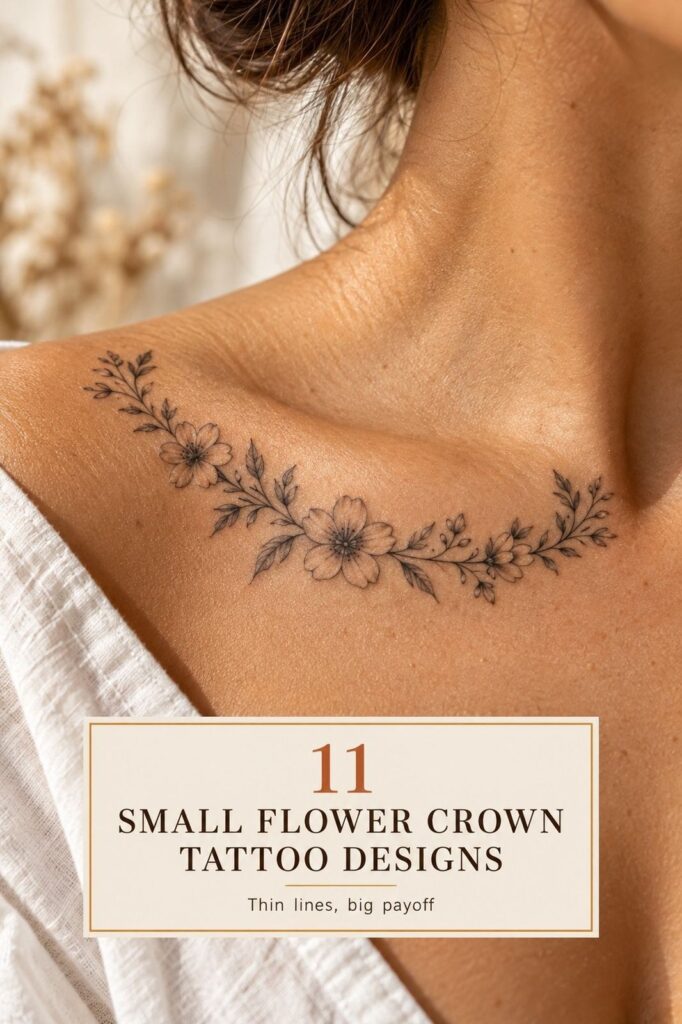
Small flower crown tattoos can cost about $100 to $300 in the US, depending on the artist, region, placement, and session time. You want clean lines that still read years from now, but tiny petals can blur when the design is crowded. I learned that the hard way. Start with one small flower crown tattoo, a curved crown shape, and enough breathing room for your skin to heal beautifully.
Your first tattoo can feel delicate without becoming forgettable, or fierce without turning heavy. The best design gives your artist a clear silhouette, gives your skin space to age, and gives you a symbol you’ll still want years from now. A small butterfly tattoo reference can also help you study compact shapes that remain readable.
Here’s a practical cost guide using the ranges most people compare before booking:
- Start With Small Flower Crown Tattoo Ideas
- Pick Delicate Blooms For Fine Linework
- Choose Unique Small Flower Crown Tattoo Details
- Place Tiny Crowns On Visible Body Areas
- Keep Botanical Shapes Crisp And Readable
- Plan Meaningful Flowers Around Personal Symbols
- Match Crown Curves To Your Anatomy
- Select Bold Ink For Lasting Definition
- Balance Dainty Petals With Sharp Leaves
- Prepare For Placement-Specific Tattoo Pain
- Protect Your Crown During Healing
1Start With Small Flower Crown Tattoo Ideas
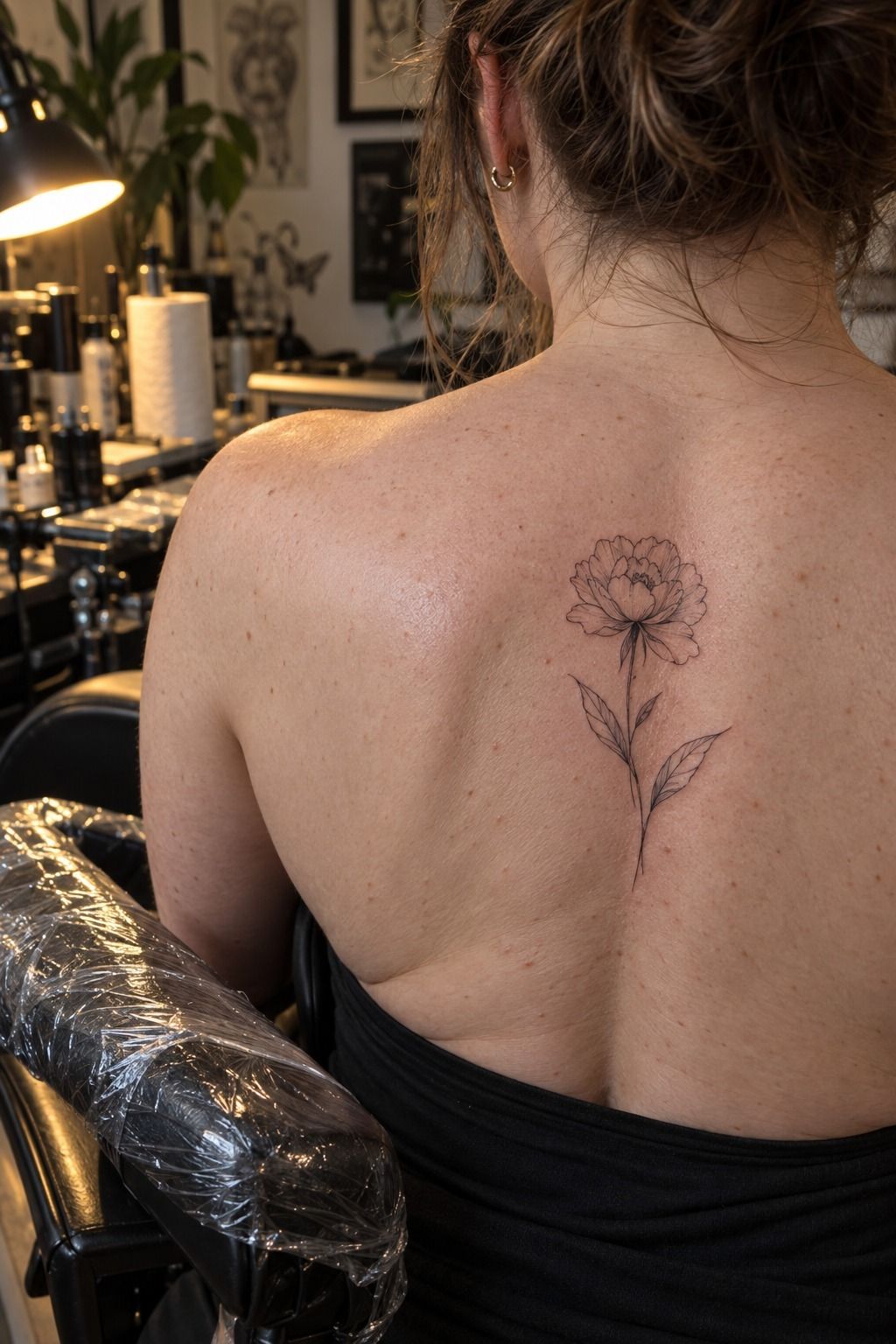
Begin with the overall feeling before you choose individual flowers. Do you want something symbolic and romantic, or more direct and personal?
Save a few references, then circle the details you keep returning to: one stem, open petals, tiny leaves, or a curved floral line. Your first tattoo doesn’t need ten meanings competing for attention. Start with a reference board instead.
A single-stem crown usually gives you the clearest starting point. Sketch one flower at the center, two smaller blooms beside it, and short stems that follow the curve of your chosen placement. Single-stem linework keeps the design readable, especially if you’re considering a crown under 2 inches wide.
I’d skip copying a crowded flash design exactly. It may look intricate on paper, but your skin needs open areas between petals and leaves.
Why squeeze six flowers into a space where three would look more striking? Compare your sketch with tiny small butterfly tattoo ideas if you want to study how a compact design can stay readable.
Before you book, make a simple reference board with three categories: shape, flower type, and placement. Your favorite example may have a graceful curve but the wrong flower, while another has the right bloom and a poor silhouette.
Keep the parts that feel personal, not every detail you admire. That’s a useful distinction!
Ask your artist to translate your favorite pieces into one artist consultation drawing. They’ll notice spacing problems you may miss on a phone screen, especially where stems cross or leaves narrow.
The Three-Line Test
Reduce your idea to three lines: the outside curve, the main stem, and the strongest petal shape. If those lines still suggest a crown, the concept has a crisp silhouette.
If they disappear into one tangled mark, remove detail before you ask an artist for a quote. Begin with the outside curve.
This test also helps with budget decisions. A simpler tattoo may cost less than a densely shaded version, but value isn’t only about price.
You’re paying for a design that can remain legible, personal, and structurally sound. Your line-weight decision matters as much as the final size.
If the three-line version feels weak, revise it before booking. You can compare the spacing with small butterfly tattoo design examples and look for the same principle: a few confident marks can carry the concept. One smart design revision now may prevent an expensive touch-up later.
2Pick Delicate Blooms For Fine Linework
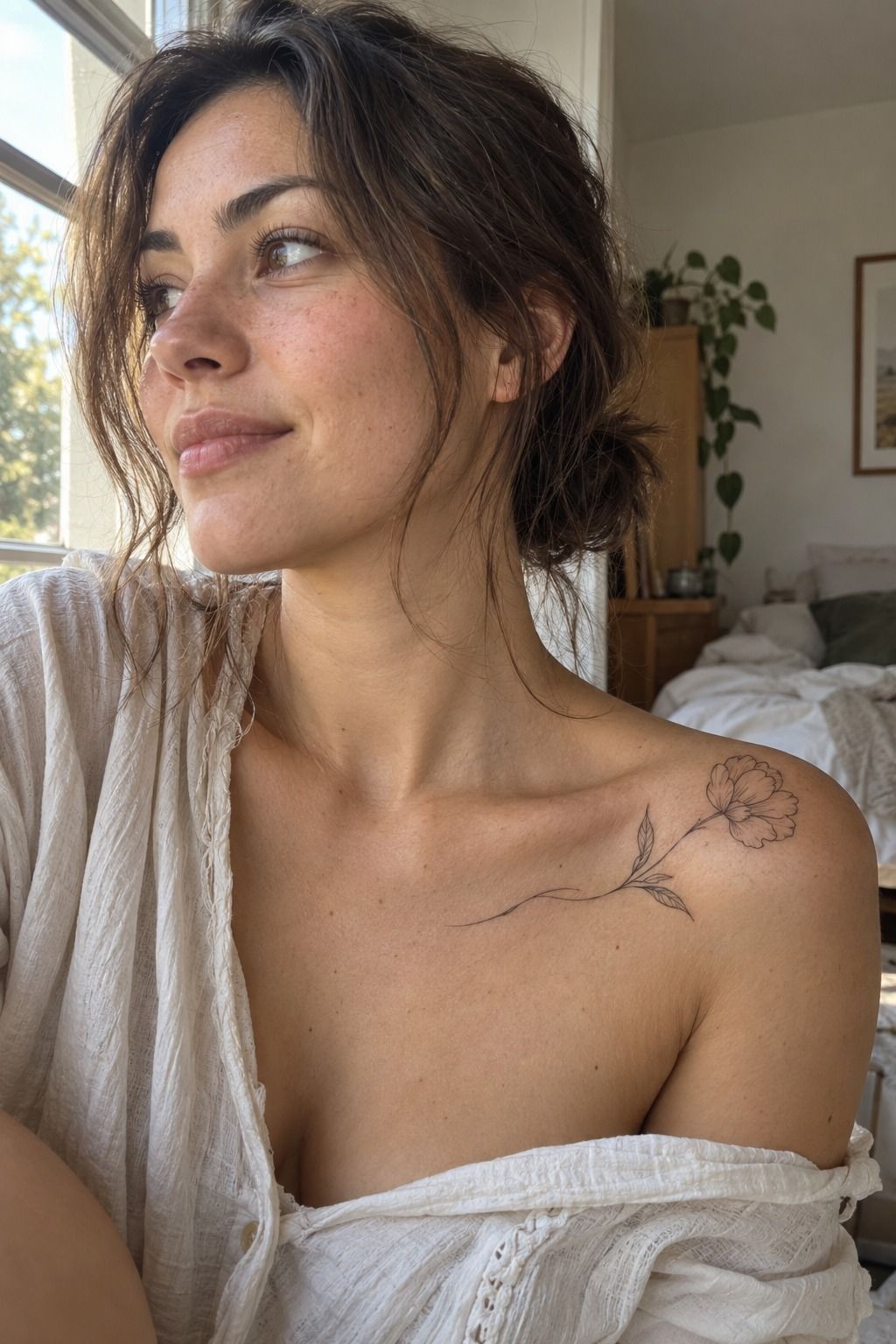
Choose flowers with recognizable silhouettes rather than petals that depend on heavy shading. A daisy, poppy, forget-me-not, cosmos, or small wildflower can remain readable with restrained linework. Fine-line black ink gives you an outline that feels minimal, but your artist still needs enough space to show where one petal ends.
Bring your artist two versions of the same flower: one with a very thin outline and one with slightly stronger outer lines. Ask which version will hold its shape best on your skin. Fine lines can soften over time, so a barely visible inner detail may not deserve space in the final design.
Pay particular attention to the outer petals.
For a more expressive crown, combine one open bloom with one closed bud. That contrast creates movement without making the design ornate. You can also study spacing in small fine line butterfly tattoo designs because butterfly wings show how negative space protects a small black design.
But don’t choose a flower only because it photographs well. A sharp, angular bloom may suit your personality better than a soft rose, and that choice will matter every day.
Your artist can simplify the reference while keeping its recognizable character, which is often the smarter move. Ask to see examples of healed work before you decide.
Good call!
Which Flower Should Lead?
Ask which bloom would still matter if you removed every leaf. That flower should lead the crown.
A flowing stem arrangement can support the main bloom, but it shouldn’t compete with it. Treat the main bloom as the visual anchor.
Daisies often read quickly, while poppies and cosmos can feel more directional. A tiny wildflower can be less literal and more playful. Choose the shape you’ll recognize at a glance, especially if the tattoo will sit on a moving part of your body.
A closed bud can balance an open flower without adding much detail.
If the tattoo will curve across a joint or shoulder, turn your sketch slightly before approving it. The best design follows moving anatomy instead of looking correct only when your body is perfectly still.
3Choose Unique Small Flower Crown Tattoo Details
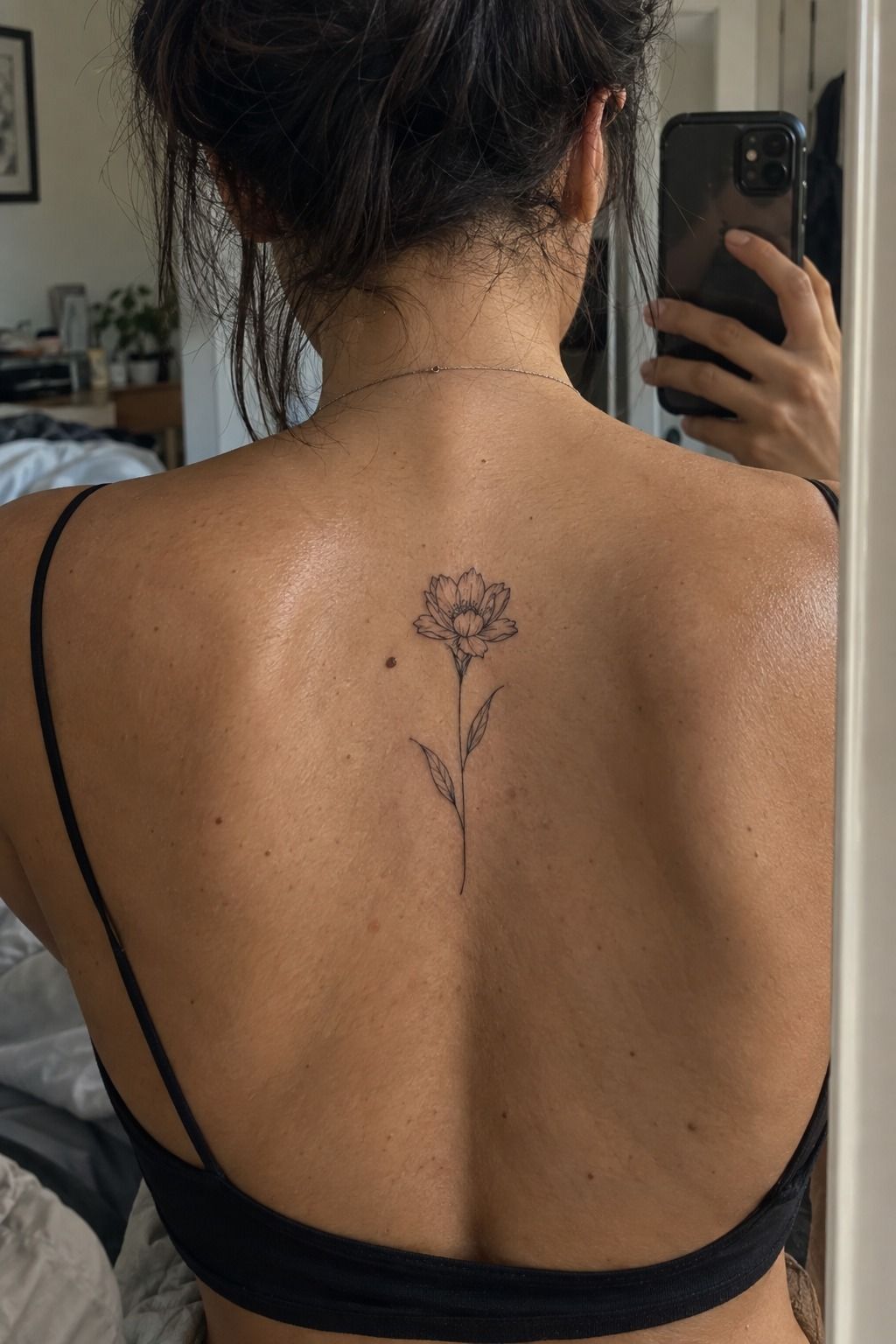
Give your crown one unusual detail that belongs to you.
Maya’s First-Crown Sketch
Imagine Maya bringing three saved references to her appointment: one for the curve, one for the flower, and one for the line weight. Her artist combines those saved references into a single understated crown sketch instead of copying any one design.
That approach leaves room for the artist’s judgment. The final tattoo can feel sacred to Maya without looking like a collection of borrowed symbols.
Your own version should work the same way: collect references, then make the decision yours. A crown sketch gives the conversation something concrete to improve.
Maya might remove one leaf, enlarge the central bloom, and leave a clear gap between the stems. Those small choices would create a final stencil that feels intentional rather than crowded.
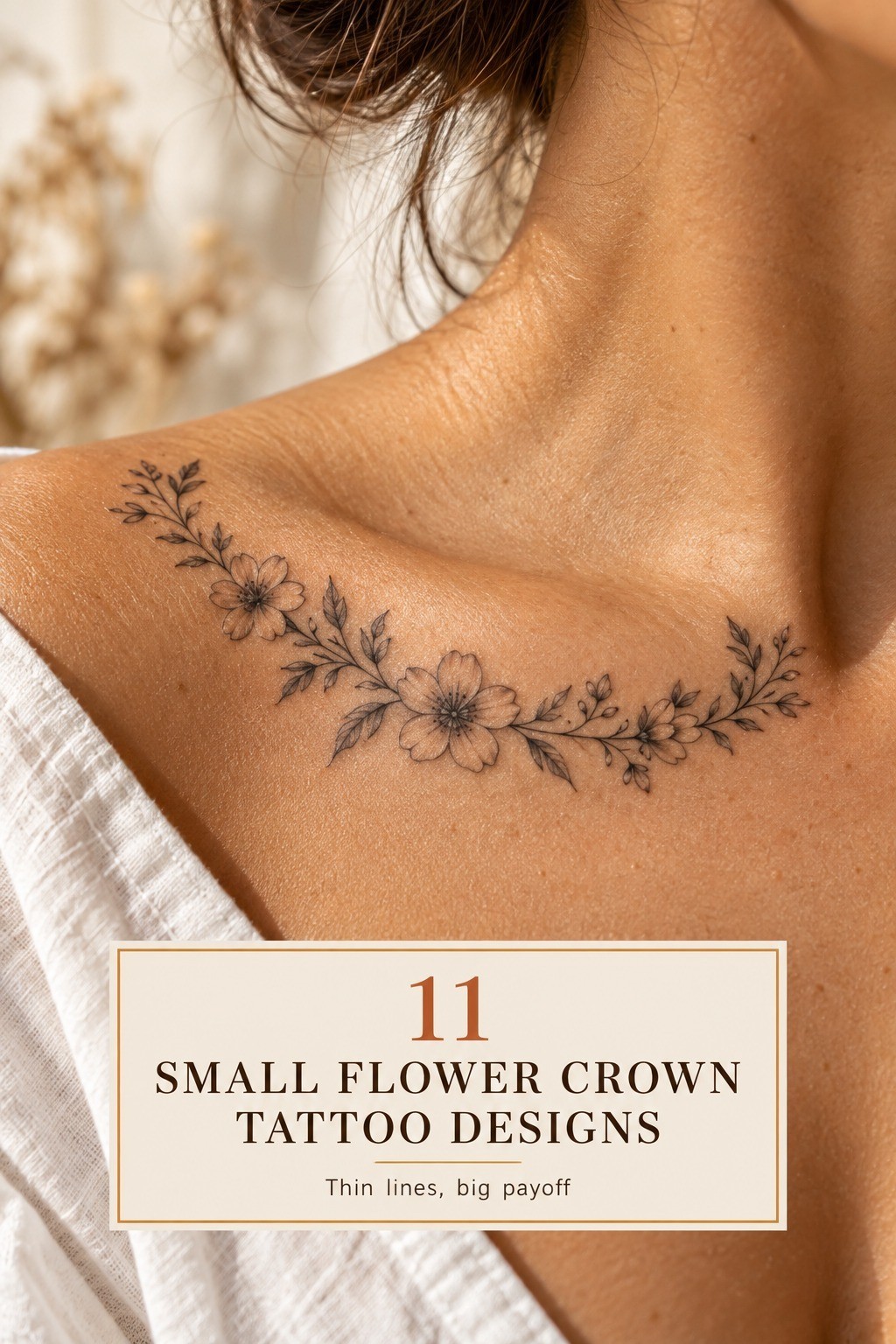
4Place Tiny Crowns On Visible Body Areas
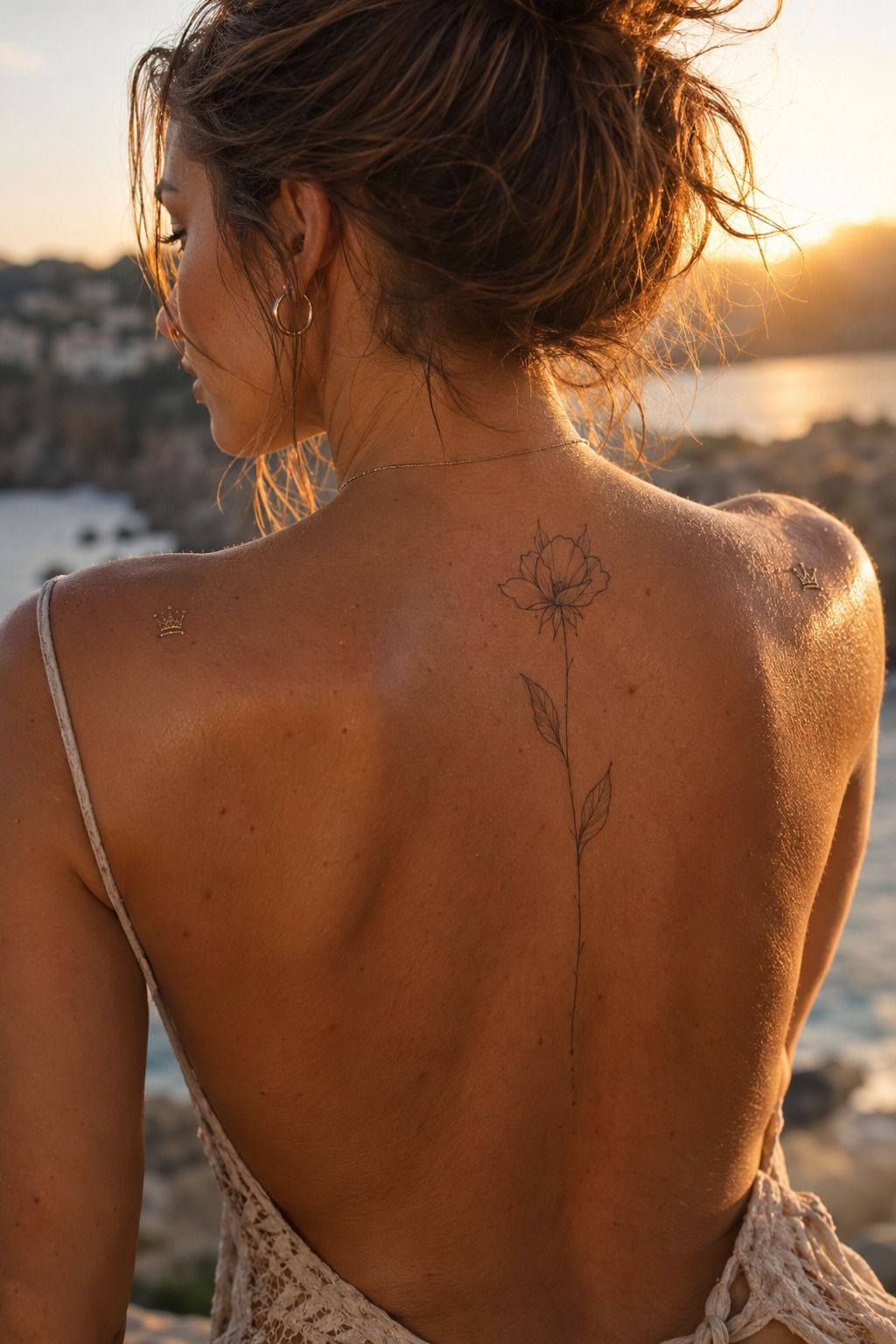
Pick placement by asking how often you want to see the tattoo, not only how attractive the reference looks. A collarbone crown is visible, stylish, and easy to follow with the natural curve of the body, while an upper-back design feels more private. Collarbone placement can look elegant, but it may feel sharper during the session because the skin is close to bone.
The forearm, outer upper arm, and shoulder are usually more tolerable choices for a first tattoo. Ribs, feet, hands, and sternum tend to feel more intense because of bone, movement, or thinner padding.
Your artist can help you test the stencil while you move, sit, and relax your shoulders. Check the stencil position from several angles.
I’d choose the shoulder over the hand for a first fine-line crown. Hand tattoos face more friction, sun, and washing, which can affect delicate details. If visibility matters, compare your placement with small butterfly tattoo arm examples and notice how the design follows the body instead of floating awkwardly.
Check your future routine, too. If you work with your hands, swim often, or spend long days in direct sunlight, your best placement may be one you can protect more easily. A tattoo that suits your life will feel classic rather than impulsive.
Your daily routine should guide the choice.
Sun exposure deserves special attention. If the crown will sit somewhere uncovered most days, plan how you’ll protect it once it has healed. Sun exposure can affect delicate ink over time.
Before You Commit to Collarbone
Ask yourself whether you’ll be comfortable seeing the crown at work, during formal events, and in everyday clothing. A visible tattoo can feel feminine and refined, but visibility is still a practical decision. Make the visibility choice deliberately.
A shoulder or outer arm gives you more control over exposure. The collarbone offers stronger visibility, while the upper back gives you privacy.
There isn’t one correct answer. There’s only the placement you’ll be happiest to live with.
Shoulder placement is often a useful middle ground.
If you’re leaning private, compare the upper back with another private placement before you book. The tattoo should suit your habits, not just the saved reference that first caught your attention.
5Keep Botanical Shapes Crisp And Readable
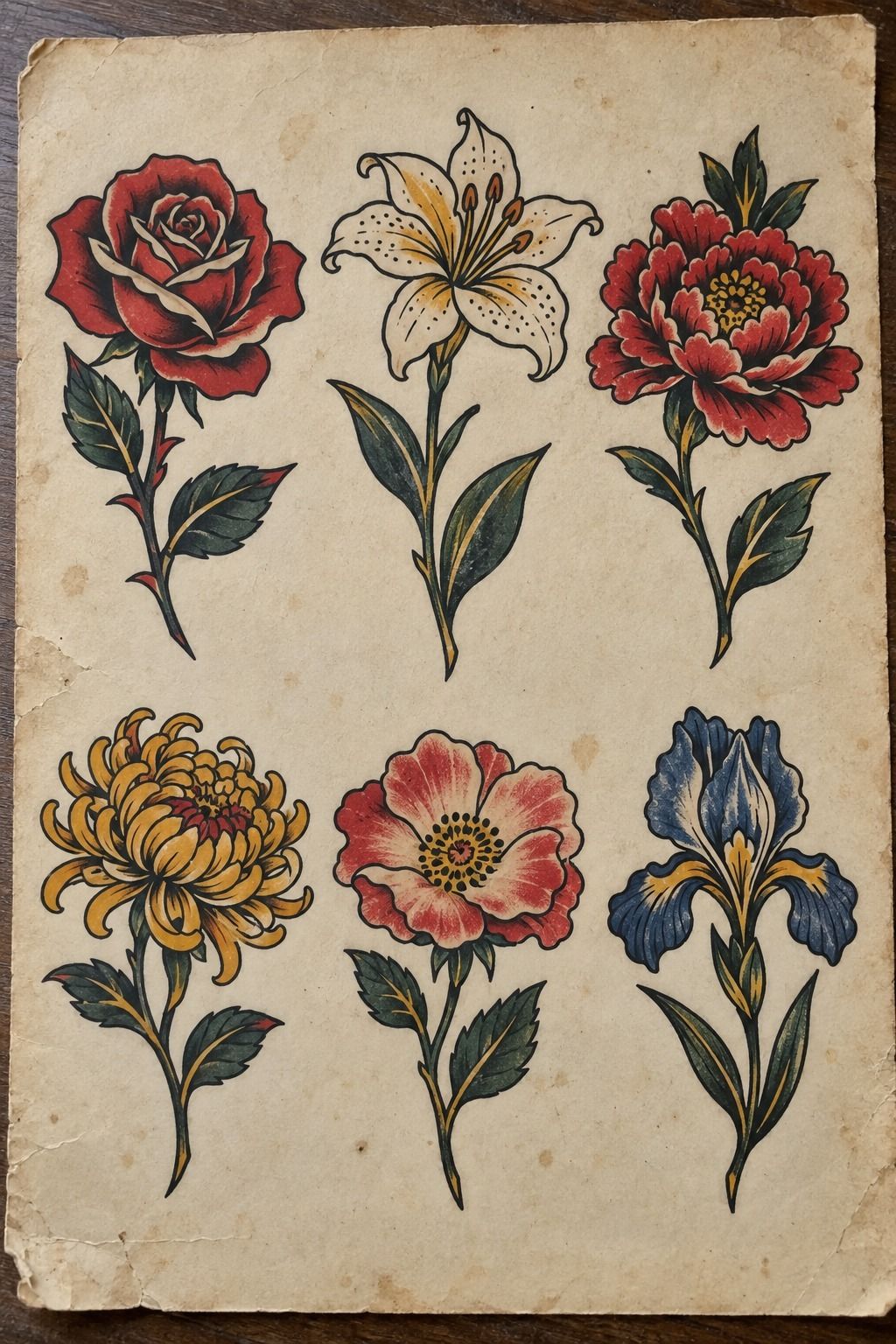
Use a clear outer silhouette before adding inner texture. Your artist should be able to identify the flower when the stencil is faint and the studio light is plain. Outer silhouette comes before shading.
Stencil transfer solution can help the outline sit cleanly, but the design itself still needs sensible spacing. Ask your artist to show you the stencil transfer at its actual size before any needlework begins.
Keep the crown’s smallest leaves slightly larger than your first instinct. Tiny points can soften as the tattoo ages, especially if they sit close to another line. A stronger outer contour with lighter internal marks often gives you a better balance than making every line equally thin.
Protect the leaf spacing.
Think of each flower as a small sign, not a botanical textbook. One petal fold may be enough.
One vein in a leaf may be enough. The most vibrant tattoos often leave out the detail that would make the image muddy.
Look at small dragonfly tattoo examples for another lesson in clean wings, open gaps, and readable contours.
But don’t confuse minimal with unfinished. A readable crown still needs a deliberate center, a stable stem, and a curve that closes visually. Ask your artist to show you the black-only version before discussing shading or tiny color accents.
If it doesn’t work in black, extra detail won’t rescue it.
6Plan Meaningful Flowers Around Personal Symbols
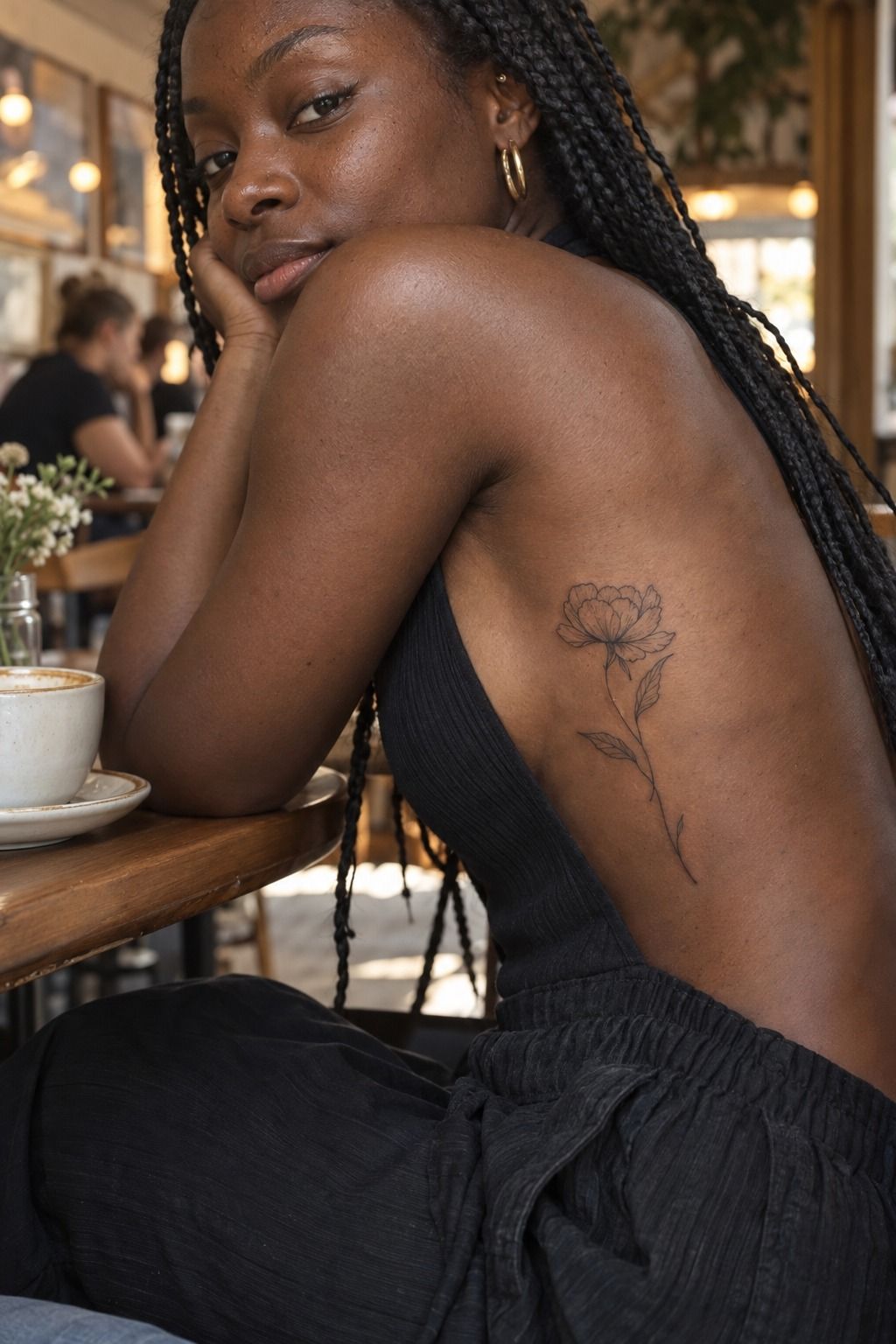
Choose meaning that you’ll still recognize without explaining it. A birth flower can mark a person, a wildflower can represent a place, and a thorn can suggest protection or resilience. Birth-flower meaning should come from your memory rather than a generic list.
You don’t need a flower for every important person in your life. That approach can turn a small crown into a crowded row of symbols. Pick one central bloom for the main memory, then let the surrounding leaves support it.
Your tattoo will feel timeless when the hierarchy is obvious. Protect the central bloom.
I prefer one meaningful flower with two supporting buds over a different bloom for every month. The first option looks harmonious and personal; the second can become visually busy. If you want a nature-based alternative, small black butterfly tattoo designs show how one central symbol can carry a whole story.
Leave room for the design to mean something new later. A tattoo can begin as a tribute and become part of your own identity.
That isn’t a failure of the original meaning. It’s how personal ink stays alive instead of becoming a label you have to defend.
Let the supporting buds remain flexible.
Choosing a symbol that empowers you matters more than explaining it to everyone else. The tattoo can be empowering because it belongs to your story, even if nobody else knows the reference.
7Match Crown Curves To Your Anatomy
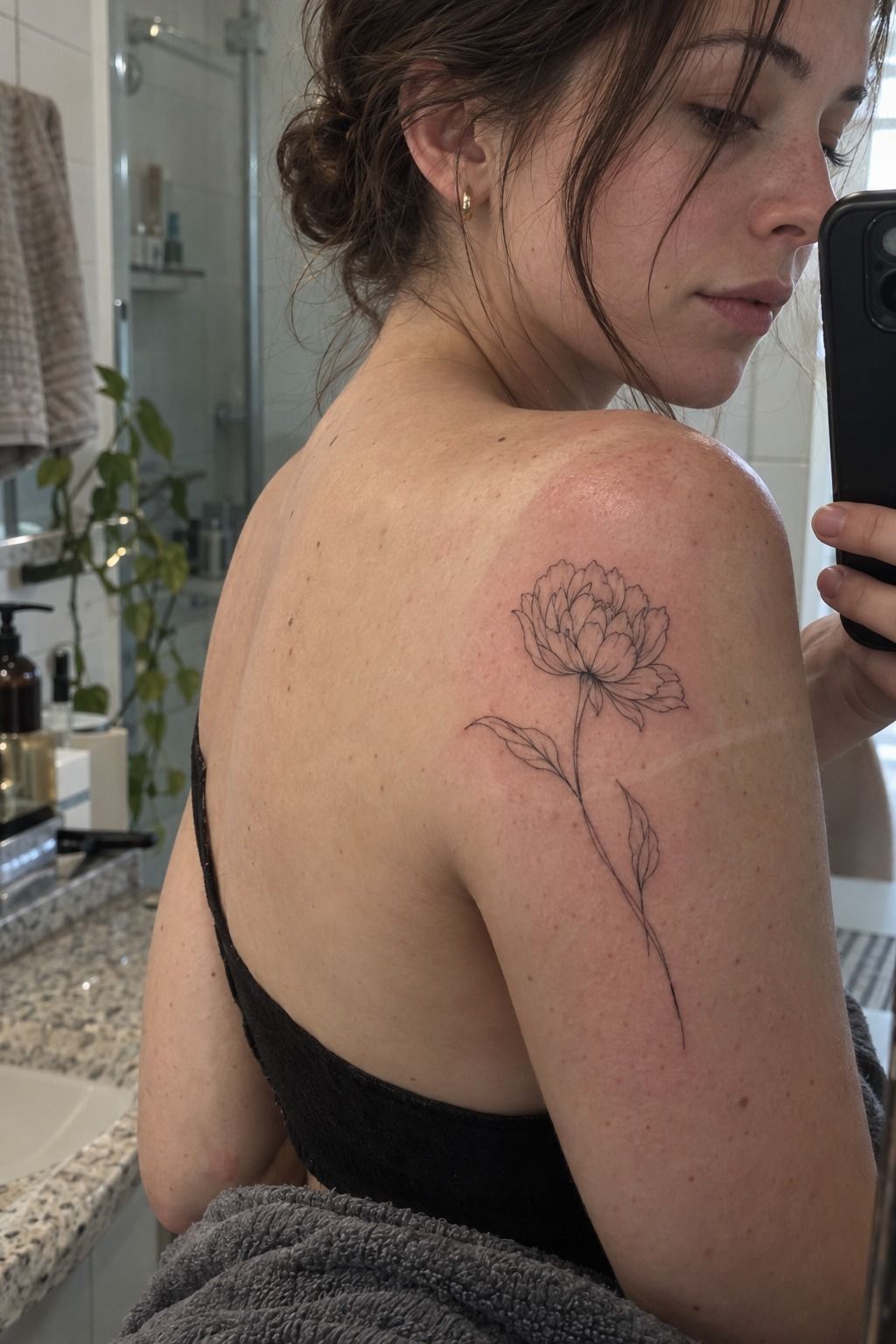
Place the stencil on your body and study the curve while you stand naturally.
8Select Bold Ink For Lasting Definition
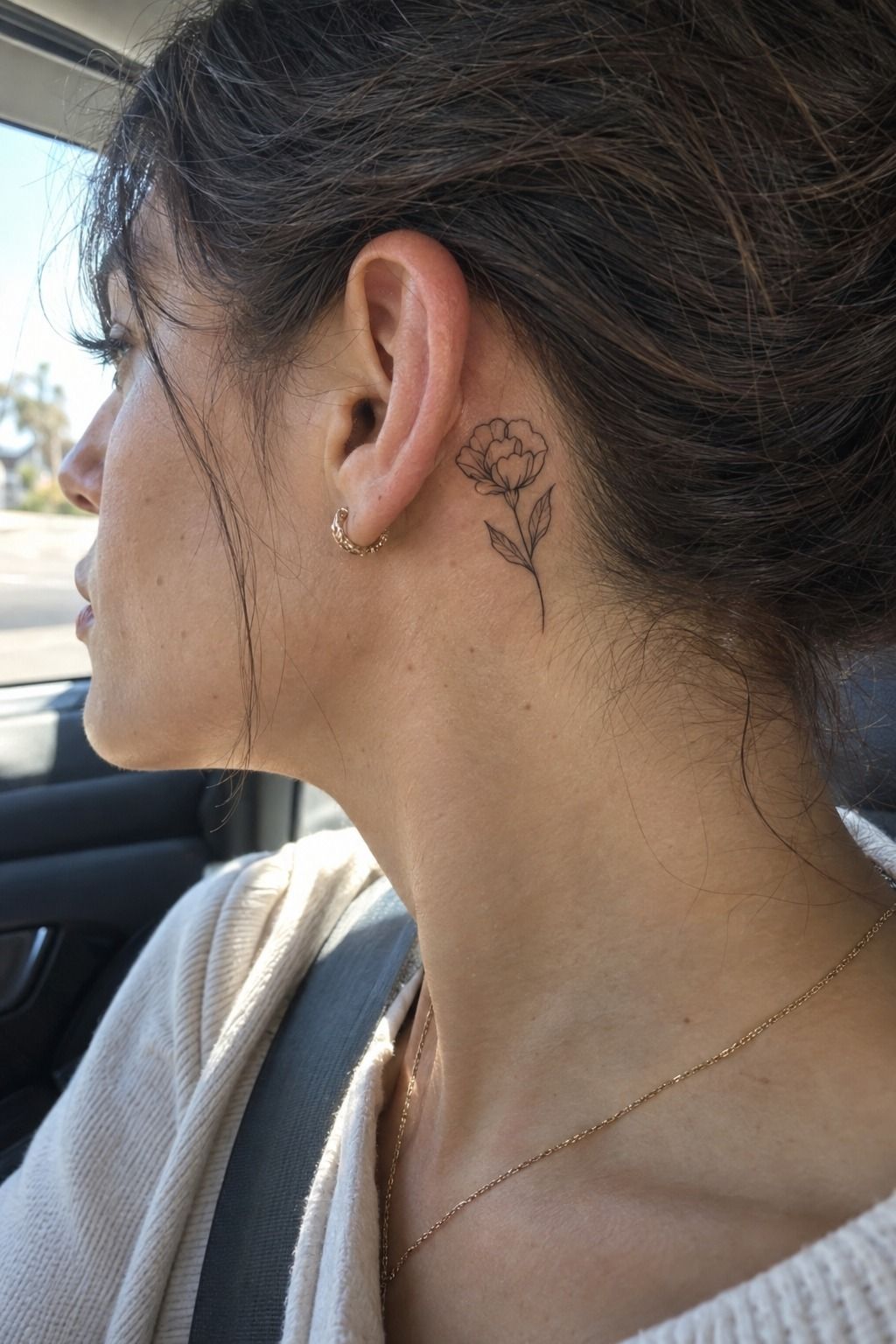
Ask your artist how much contrast the design needs to age well. Solid black tattoo ink usually gives a small crown stronger definition than pale gray alone, especially around the outer petals and leaves. You can still keep the interior soft, but the main shape needs enough visual weight.
Fine-line tattoos can soften or spread as skin changes, so the thinnest possible line isn’t always the best line. Your artist may recommend a slightly stronger contour for areas exposed to friction or sunlight. That doesn’t make the crown less dainty.
It gives the design a stable skeleton. Discuss the stronger contour before you finalize the stencil.
I’d avoid adding color just to make the tattoo feel more special. A single black crown can look sleek, direct, and expressive, while a tiny wash of color may fade unevenly or compete with the flower shape. If you love color, discuss a restrained color accent after the black structure works.
You can study the clean contrast in small butterfly tattoo stencil references before your appointment. Bring the artist the version you like, then trust their advice about line weight.
Your skin, placement, and chosen size matter more than the reference’s screen resolution. Review the artist’s healed work before booking.
Black Ink or a Soft Gray Accent?
Black ink usually offers the clearest long-term value for a small design. A gray accent can make the petals feel lighter, but it may not hold the same definition after healing.
Ask which option gives your chosen flower the strongest identity. A clean black outline is often enough.
If your budget allows only one upgrade, I’d invest in the artist’s drawing and healed-work experience before color. A polished black outline can carry the whole crown. Color is optional; structure isn’t.
Treat a gray wash as an addition, not a substitute for readable lines.
9Balance Dainty Petals With Sharp Leaves
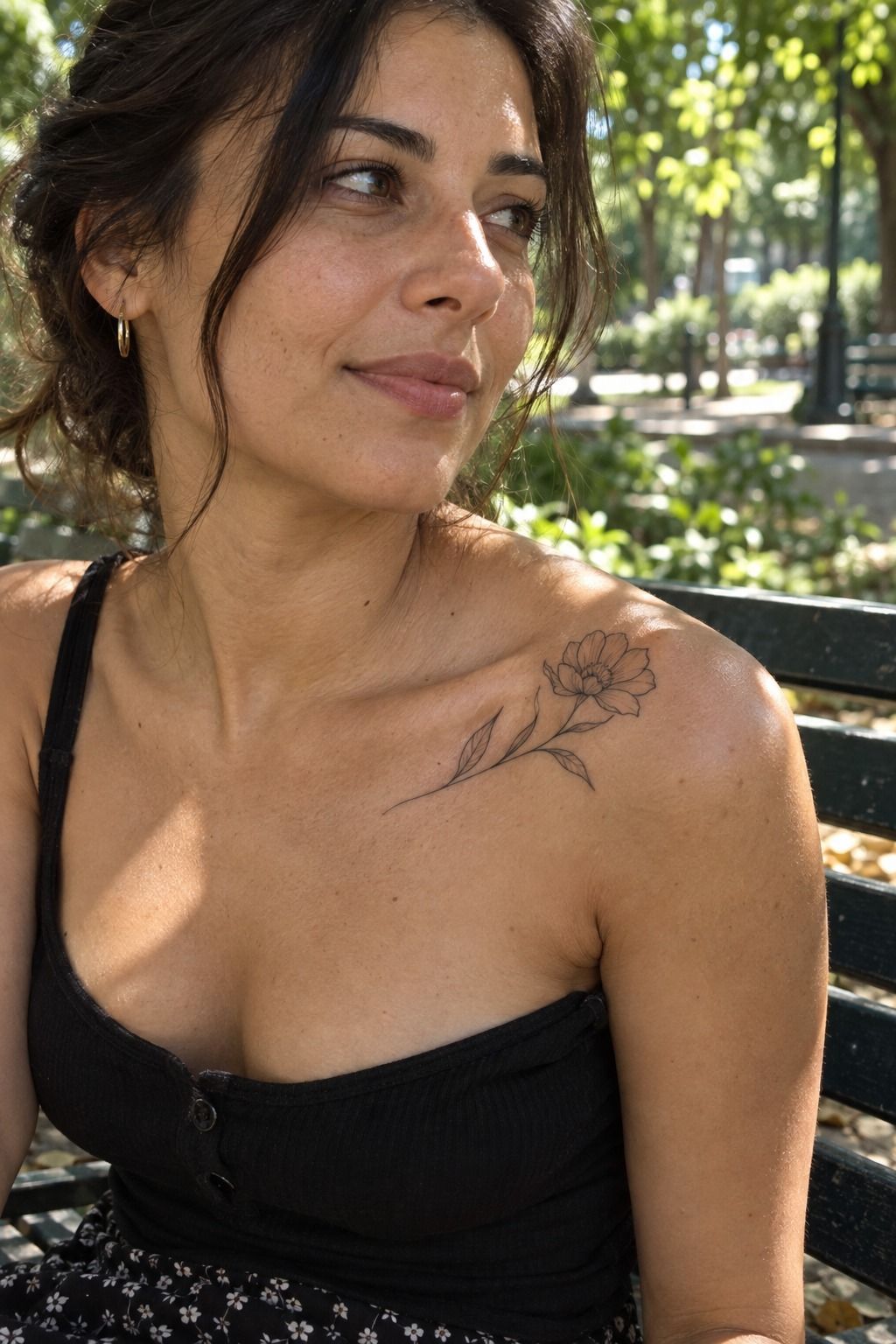
Pair soft petals with a few pointed leaves so the crown has rhythm.
When the Crown Feels Too Busy
Remove one element at a time. Start with extra veins, then remove duplicate buds, then inspect the crown without any decorative dots.
If the tattoo becomes stronger after subtraction, you’ve found the right direction. Begin with the extra veins.
A readable floral hierarchy matters more than the number of flowers. Your artist should be able to tell you what the eye notices first, second, and last.
If everything competes, the design needs editing before the appointment. Protect the visual hierarchy.
A raw sketch can be useful here because it exposes clutter quickly. Don’t polish a crowded idea until its structure works.
10Prepare For Placement-Specific Tattoo Pain
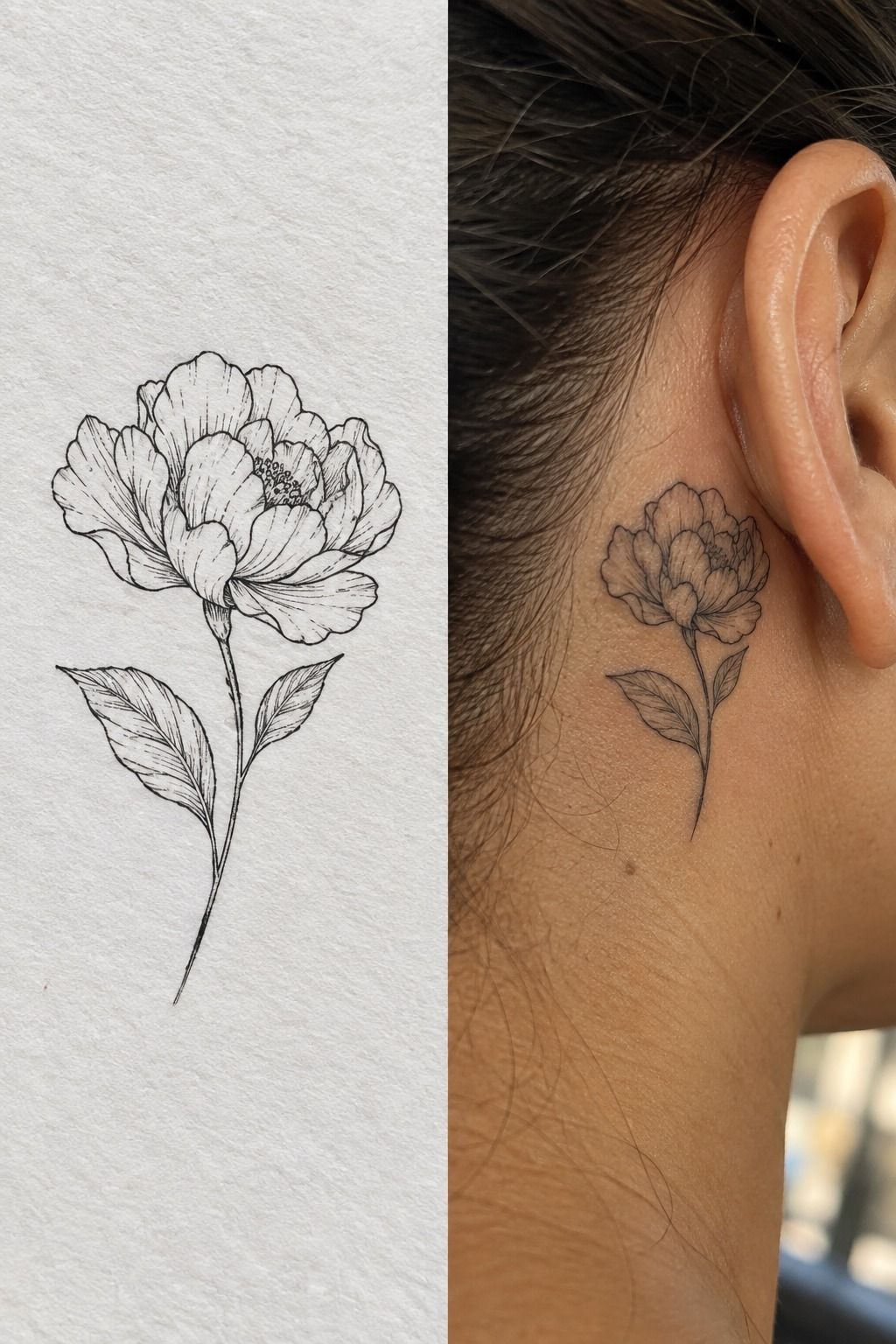
Expect the sensation to change by body area, even with the same small design. Tattoo appointment preparation can’t predict your personal pain response, but eating beforehand, drinking water, and wearing accessible clothing can make the session easier.
You don’t need to prove anything by sitting through pain silently. If you’re uncomfortable, tell your artist.
Short pauses can help you stay still and keep the linework precise. Wear accessible clothing that won’t rub against the fresh tattoo.
The fresh tattoo may look darker and sharper than healed skin. Your crown will settle, and that change is normal.
Don’t judge the final appearance too soon. Follow the healing timeline your artist gives you.
I’d choose a placement you can hold still comfortably over one that looks dramatic in a saved reference. A steady body helps your artist work with more control, and that can matter more than a few inches of visibility.
Good preparation makes the whole session feel less intimidating. A steady posture makes a difference.
That’s a real win!
What Your Artist Should Explain
Before you approve the stencil, ask about line weight, expected healing, sun exposure, touch-ups, and aftercare. A clear artist consultation should include honest answers rather than pressure to add more detail. Request written aftercare instructions if the studio provides them.
Ask whether your chosen size gives each petal enough separation. Ask what they’d simplify. Ask what they think will remain readable.
If the artist can explain those choices clearly, you’ll have more confidence in the final design. You’ll be glad you asked!
Discuss the line-weight plan before the appointment begins. You should understand which lines will be strongest, which details may be removed, and whether your chosen placement needs a slightly larger crown.
A reliable artist will also explain cleaning, bandage timing, bathing, sun protection, and when to ask about a touch-up. Clear healing guidance removes much of the uncertainty.
11Protect Your Crown During Healing
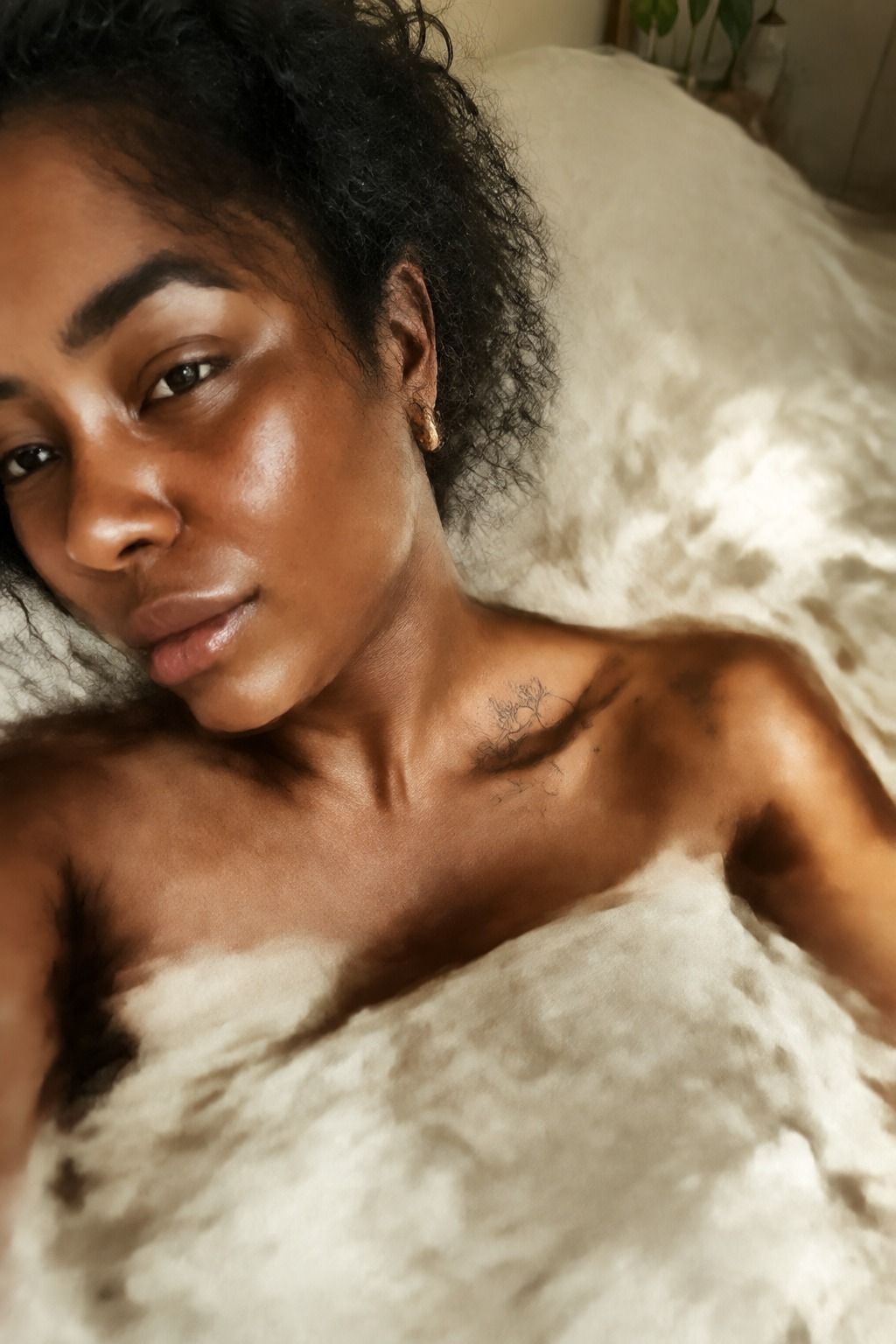
Follow your artist’s aftercare instructions first because bandage choices and skin responses vary.
The Single-Stem Principle: Why I Choose Restraint
I’ve seen people arrive with beautiful references that simply ask too much of a small tattoo. Every petal has a vein, every leaf has multiple lines, and every flower carries a separate memory. On paper, the design looks rich.
On skin, it can become a dark knot. My strongest opinion is simple: choose one main flower and let the supporting details stay quiet.
That choice isn’t about making your tattoo less meaningful. It gives the meaning a place to land.
A central bloom can represent one person, one season, or one decision, while the curved stems create the feeling of a crown. The result can be ethereal without becoming fragile, and personal without requiring a paragraph of explanation. Build a meaningful hierarchy.
I also think first tattoos benefit from visual honesty. Fine lines aren’t frozen forever.
Skin moves, sunlight matters, and tiny gaps can narrow over time. A readable silhouette, a confident black contour, and a sensible size will usually serve you better than an overloaded design.
That tradeoff may feel difficult during the design stage, but it protects the idea you loved in the first place. Accept the fine-line reality.
If you’re torn between a barely-there crown and a slightly stronger version, ask which one you’d still recognize in five years. The answer may be the more defined option.
It can remain dainty while giving the flower enough definition to stay expressive, readable, and haunting in the best way. Choose long-term readability.
A bold or gritty tattoo doesn’t have to be large. Sometimes the attitude comes from one sharp leaf, a dark stem, or an unexpected gap between blooms. Those choices can keep the crown distinctive without burying the flower.
What People Always Want to Know
How much does a small flower crown tattoo usually cost?
A small flower crown tattoo usually costs about $100 to $300 in the US, though studio minimums may run around $50 to $100 and hourly rates may be about $100 to $250. The final quote depends on your artist, region, size, detail, and placement. Ask for a written estimate before booking so your budget is clear.
– Studio minimum – Hourly rate – Size and linework – Placement difficulty
Are small flower crown tattoos a good idea for a first tattoo?
Yes, a small flower crown can be a meaningful first tattoo if you choose a readable size and a tolerable placement. A clear silhouette gives your artist room to work, while the floral subject lets you create something personal without an oversized commitment. It can be an iconic first piece when the design stays focused.
– Forearm or shoulder placement – Simple flower grouping – Clean reference selection – Comfortable appointment clothing
How do I choose a tattoo artist for a small flower crown tattoo?
Review healed work and look for consistent linework, balanced spacing, and clean edges. A strong floral portfolio matters more than a low quote. Your artist should also explain hygiene practices, stencil process, aftercare instructions, and recommended line weight.
Good technique is worth paying for when the design is permanent. You can also compare small fine line butterfly tattoo designs to see whether the artist handles compact spacing well.
– Healed tattoo examples – Fine-line experience – Floral work – Clear studio hygiene
How much do small flower crown tattoos hurt?
Pain varies, but ribs, feet, hands, and sternum often feel more intense than the outer forearm, thigh, or shoulder. Placement affects comfort more than the flower itself, so ask your artist where the stencil can sit naturally and securely. You can always request a short break.
– Ribs and sternum – Feet and hands – Outer forearm – Shoulder and thigh
How long does a small flower crown tattoo take to heal?
The surface commonly heals in about 2 to 3 weeks, while complete healing can take around 2 to 3 months. Gentle aftercare includes washing as directed, using a thin recommended moisturizer, avoiding pools, and protecting the tattoo from direct sunlight. Don’t pick at flakes or scabs.
– Surface healing – Complete settling – Gentle washing – Sun protection
What’s the best placement for a small flower crown tattoo?
The shoulder, outer forearm, and collarbone are popular choices because they offer visibility and enough space for readable curves. Your daily routine should guide the decision, especially if your work, clothing, or hobbies create friction or sun exposure. The most visible placement isn’t always the best value for your lifestyle.
– Shoulder curve – Outer forearm – Collarbone visibility – Personal comfort
Where I’d Start First
If I had to pick one step, I’d start with the flower silhouette. A clear central bloom gives every later choice a job, from the curve of the crown to the sharpness of each leaf.
Pin that sketch for later, then ask your artist to make it readable at its real size. Compare it with small flower crown tattoo ideas if you need a final reminder about compact composition.
My final advice is to choose the design that feels daring enough to express you, but simple enough to age well. A small crown can be gritty, romantic, classic, or completely personal. The right version won’t need more flowers to prove its meaning.
Trust the defined option that still feels like you.

One response to “How to Design a Small Flower Crown Tattoo for Your First Ink – 11 Ideas”
[…] you’re comparing references, save a tiny crown tattoo collection and a small crown tattoo guide before […]