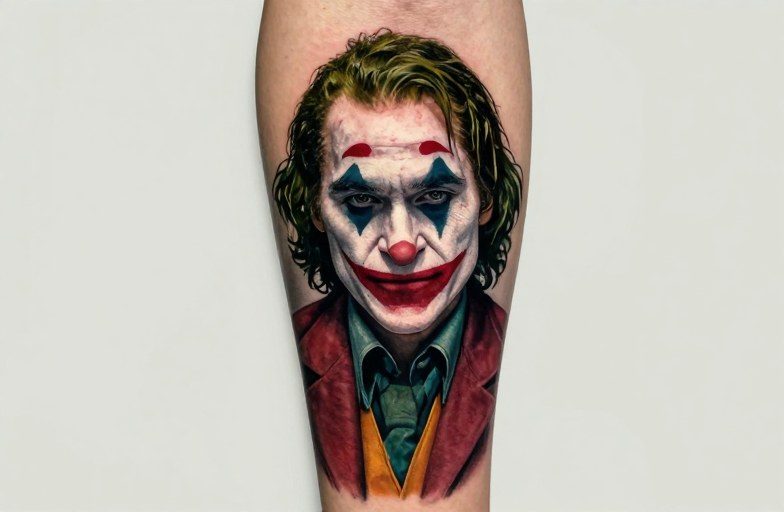

Tattooing over spider veins typically symbolizes reclaiming one’s body from the marks of time, genetics, or medical history. Rather than hiding, the wearer transforms a source of self-consciousness into chosen artwork, an act of agency that resonates with themes of resilience, acceptance, and personal evolution. The spider vein itself becomes part of the canvas, its blue tributaries sometimes incorporated into flowing designs or deliberately obscured beneath bold imagery.
Symbolism & Core Meaning
At its heart, this tattoo choice speaks to control. Spider veins arrive uninvited, hereditary, hormonal, the aftermath of pregnancy or long hours on your feet. They’re rarely dangerous, yet they carry social weight, that particular self-awareness when wearing shorts or a swimsuit. Choosing to tattoo over them rewrites the narrative from passive recipient to active author.
The Body as Edited Document
There’s a specific psychology here that differs from covering scars or stretch marks. Spider veins map visibly beneath the skin’s surface, a network you can sometimes feel pressing against your fingertips. Tattooing over them doesn’t erase this topography; it collaborates with it. The ink settles slightly differently where veins raise the surface, creating subtle dimension that flat skin wouldn’t hold. Some designs lean into this, letting the vein’s path ghost through watercolor washes or geometric patterns where the blue tone becomes intentional undertone rather than flaw.
Medical History as Material
For those whose spider veins connect to specific chapters, varicose vein surgeries, blood clot histories, the vascular changes of chronic illness, the tattoo can mark survival without literal medical symbolism. No ribbons, no awareness colors. Just beauty where the body showed strain. This reads differently to the wearer than to observers, and that’s often the point.
Religious & Spiritual Angles
Christian iconography sometimes frames bodily suffering as redemptive, though tattooing over spider veins rarely invokes this directly. More commonly, you’ll see the vein’s branching pattern echoed in designs referencing the Tree of Life, particularly in Celtic or Norse influenced work where organic line work dominates. The connection feels intuitive rather than doctrinal: life’s circulation, roots and branches, the visible pulse of existence.
Eastern Traditions
In some Buddhist-influenced approaches, particularly among Western practitioners, covering visible veins connects to practices of transforming attachment to physical form. The tattoo becomes a meditation on impermanence rather than denial of aging. This differs sharply from cosmetic cover-up culture; the goal isn’t appearing younger but acknowledging change with intention. Certain mantra or sutra placements over vein clusters on calves or thighs carry this specific weight for practitioners.
Mythology & Folklore
Spider veins’ web-like appearance naturally invites arachnid mythology, though most wearers reject literal spider imagery as too on-the-nose. The subtler connection lies in weaving traditions, Norse Norns, Greek Fates, spider grandmother figures across Indigenous American stories. These figures spin what is given into what becomes, a direct parallel to the tattoo act itself.
Vascularity in Folk Belief
Visible veins once carried superstitious reading: “blue-blooded” aristocracy, the mapped palms of chiromancy, the “marking” of certain European ethnicities. Tattooing over these visible vessels can quietly reject such readings, or ironically reclaim them. A spider web elbow piece extending over visible forearm veins plays with sailor traditions of web tattoos marking time served, here, time served in a body that shows its history.
Design Tips & Pairings
Placement dictates possibility. Spider veins cluster most commonly on calves, thighs, behind knees, and ankles, areas where skin stretches, moves, and bears weight. These locations challenge certain approaches while enabling others.
- Flowing organic work: Japanese water, wind bars, or botanical vines follow the vein’s natural direction, incorporating the blue tone as shadow or depth. This requires an artist comfortable with improvisation; the vein’s path determines the design’s flow.
- Dense black coverage: Traditional or neo-traditional bold lines and heavy saturation obscure veins most completely. Expect touch-ups; veins sometimes push ink or create uneven settling that needs correction after healing.
- Pointillism and stipple: The technique’s natural texture disrupts the eye’s ability to track vein patterns beneath. Works well for smaller areas, becomes time-intensive and expensive for larger coverage.
- Geometric and ornamental: Mandala-style work on thighs or calf sleeves can frame vein clusters as negative space or central focal points, though precise symmetry challenges on uneven surfaces.
Technical Realities
Freshly tattooed skin over veins often shows more bruising and swelling than surrounding areas. The vein wall, thinner than arterial structure, can be more easily irritated during the process. Experienced artists work slightly faster through these zones, minimizing trauma. Healed results vary: some veins fade further under the tattoo, others become more prominent as the skin’s surface texture changes. Neither outcome is predictable, and no artist can guarantee complete disappearance of the underlying pattern.
Color vs Black and Grey
Blue and purple veins create specific challenges for color work. Warm tones, reds, oranges, yellows, can shift muddy where they overlap cool undertones. Green-based designs sometimes harmonize unexpectedly, the vein’s natural tone becoming part of the palette. Black and grey offers more reliable coverage but risks looking flat or heavy on areas where the vein creates dimensional texture.
White ink highlights over healed black and grey can create striking dimension where veins raise the surface, catching light differently. This approach, popular in some European blackwork scenes, requires an artist with specific technical confidence and heals with significant variation between individuals.
Who Chooses This Tattoo
The demographic spans broadly, though certain patterns emerge. Women post-pregnancy often seek calf and thigh coverage after vascular changes that didn’t resolve. Aging athletes, runners, cyclists, dancers, confront leg veins earlier than peers and sometimes choose coverage before significant social visibility. People with hereditary varicose vein patterns, sometimes watching parents’ progression, act preemptively or reactively.
There’s also a smaller group for whom the tattoo precedes medical treatment. Some vein specialists request patients finish laser or sclerotherapy before tattooing, others coordinate timing so healing periods don’t conflict. The order matters: tattooing over treated veins (collapsed, scarred, or pigment-changed) differs substantially from tattooing over active vascular tissue. Artists need this information; clients sometimes don’t realize it matters.
The Takeaway
Tattooing over spider veins resists simple symbolic reading because the act itself is the meaning. The choice declares that bodily change, whether from genetics, time, pregnancy, or medical condition, need not be merely accepted or merely hidden. It can be collaborated with, redirected, made into something that carries intention rather than accident.
The technical execution demands honesty between artist and client about what skin can and can’t do. The healed tattoo won’t perfectly erase what lies beneath; in certain lights, from certain angles, the vein’s map may still whisper through. This isn’t failure. It’s the specific character of this particular tattoo choice, one that transforms rather than denies, that works with the body’s history rather than pretending toward blank slate.
Meaning here lives in the doing, not just the done.
Frequently Asked Questions
Does tattooing over spider veins make them worse or cause health problems?
Tattooing doesn’t medically worsen spider veins, but the trauma can cause temporary inflammation and bruising that makes them more visible during healing. Artists should avoid directly puncturing raised varicose veins, and clients with clotting disorders or active vascular disease need medical clearance first.
How long after sclerotherapy or laser vein treatment should I wait before getting tattooed?
Most vein specialists recommend waiting six months to a year after sclerotherapy, since treated veins need to fully collapse and absorb. Laser treatments may require shorter waits depending on depth and skin response. Always coordinate timing between your medical provider and tattoo artist.
Will the tattoo ink look different over spider veins compared to normal skin?
Yes, often subtly. Veins can create slight surface elevation that catches ink differently, and the blue undertone may shift warm colors toward muddy or neutral tones. Experienced artists account for this in pigment selection and saturation planning, sometimes adjusting mid-session.
Is there any design style that works especially poorly over spider veins?
Fine-line single needle work and delicate watercolor without bold outlines tend to age poorly over veins, as the underlying vascular pattern can distort the design’s clarity over time. Highly detailed realism also struggles where vein texture interrupts smooth gradation.