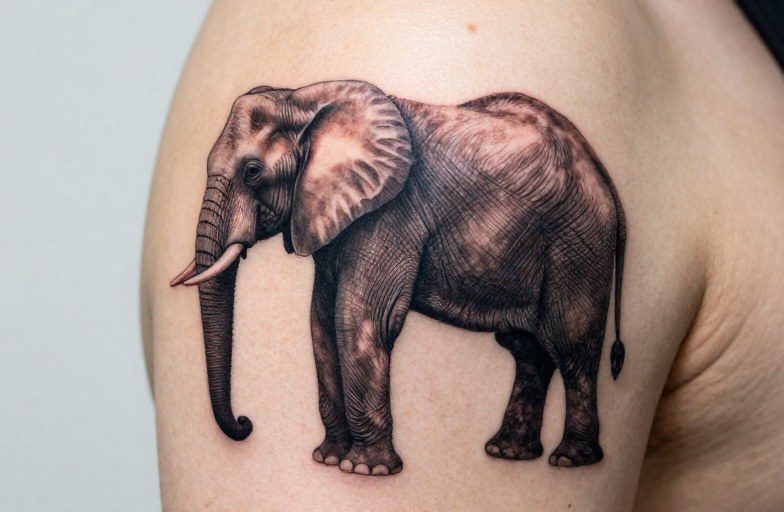
An elephant tattoo most commonly symbolizes family loyalty, wisdom, memory, and quiet strength. The animal’s matriarchal social structure and documented grief rituals make it a natural emblem for those honoring lost relatives or celebrating deep bonds. Beyond sentiment, elephants also carry weight as symbols of perseverance, good fortune, and spiritual protection across multiple cultures.
Who Chooses This Tattoo
People drawn to elephant imagery usually arrive with something specific already in mind. It’s rarely impulse ink. The tattoo tends to mark transitions, becoming a parent, surviving hardship, losing someone central, or reconnecting with heritage.
Family and Memorial Connections
Matriarchal herd structure drives much of this choice. Female elephants lead, protect, and teach across generations. A mother with calf design, trunk intertwined, speaks without needing words. Those who’ve lost parents sometimes choose a solitary elephant facing forward, eyes soft, carrying the presence of someone who anchored them. The trunk direction matters here: upward traditionally signals good luck and celebration; downward, reflection or mourning. Neither is wrong, just worth choosing consciously.
Resilience and Personal Survival
Elephants survive drought, poaching, habitat loss. Their capacity to endure and still demonstrate gentleness resonates with people rebuilding after trauma. The imagery here tends toward weathered skin texture, cracked earth in background, or the animal mid-stride, moving forward despite weight. This isn’t about declaring victory; it’s about acknowledging the weight itself and continuing anyway.
Mythology & Folklore
Symbolic associations run deep across traditions, though origins are often linked to specific regional beliefs rather than universal truths.
Ganesha and Hindu Tradition
The elephant-headed deity Ganesha removes obstacles and governs beginnings. Some trace elephant tattoo popularity in the West to 1960s counterculture fascination with Eastern spirituality, though this connection is commonly associated with broader yoga and meditation movements rather than directly documented. Ganesha imagery requires cultural sensitivity, trunk direction, hand positions, and associated objects carry specific meaning. Appropriation concerns arise when sacred iconography gets stripped of context for aesthetic appeal.
African Folklore and Royal Symbolism
Across many African traditions, elephants often linked to leadership, ancestral communication, and rain-making. Some trace specific stories to the Bamileke people of Cameroon or various Southern African groups, where elephant tusks historically adorned royal regalia. Tattoo adaptations of these motifs should be approached with the same care as any cultural borrowing, research the specific tradition, credit it, and avoid flattening diverse continental practices into generic “tribal” design.
Best Placements
Elephant anatomy in tattoo form demands space. The silhouette reads instantly, but detail work, wrinkle texture, eye expression, ear veining, needs room to breathe.
- Thigh or calf: Ideal for walking elephants, creating natural movement with the body’s own motion. The curve of the calf mirrors the animal’s back arch. Single needle or fine line work holds well here on skin that doesn’t stretch excessively.
- Upper arm/shoulder: Classic placement for frontal or three-quarter view portraits. The deltoid’s rounded surface suits the elephant’s massive head. Wraparound designs incorporating trunk movement work well flowing from shoulder to bicep.
- Ribcage: Painful but effective for larger compositions, herd scenes, mother and calf, elephants against landscape. The vertical space accommodates trunk extension upward or water spray downward.
- Forearm: Better for simplified silhouettes or geometric interpretations. Intricate realism here often ages into muddy confusion as the relatively high-movement skin blurs fine details.
- Back: Canvas for full scenes, multiple elephants, savanna or jungle environments, celestial elements. The flat plane allows for accurate proportion and perspective.
Small elephants behind ears or on wrists trend occasionally, but the form loses recognizability under an inch. Ear placement specifically risks blowout from thin skin and proximity to cartilage.
Color vs Black and Grey
Technical choices dramatically affect both immediate impact and decade-long wear.
Black and Grey Realism
The natural grey of elephant skin makes monochrome an obvious fit. Whip shading and smooth greywash capture hide texture convincingly. This approach ages gracefully, black ink holds, grey tones fade uniformly rather than patchily, and the design maintains readability even as fine details soften. For memorial pieces especially, the somber palette matches emotional tone without needing explanation.
Color Applications
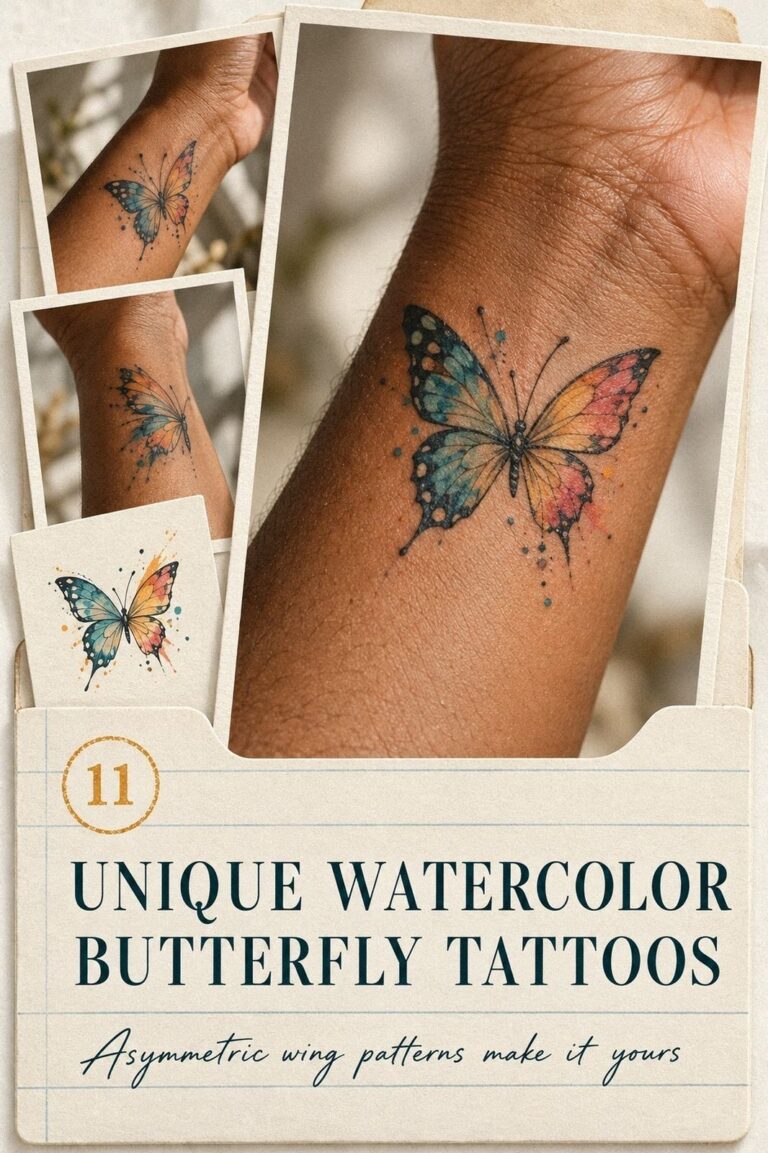
Color enters meaningfully in specific contexts: sunset backgrounds (orange, magenta, deep purple), water spray catching light (blue-white), floral elements (Indian or African native species), or jewel-toned mandala patterns overlaying the form. Watercolor-style splashes behind geometric elephant outlines peaked in popularity around 2015-2018 and now read dated. Solid, limited color palettes outlast trend-driven techniques. One genuine consideration: red and yellow pigments fade fastest on darker skin tones; discuss modified palettes with your artist rather than accepting default recommendations.
History & Cultural Roots
Elephant imagery in permanent body marking has specific regional histories, though Western tattooing’s adoption is more recent and diffuse.
Thai sak yant tradition sometimes incorporates elephants in protective designs, often linked to Buddhist and animist fusion. These are typically rendered by monks or ajarns using hand-poked methods, with associated prayers and restrictions. The commercial tattoo shop version, while visually similar, lacks these layers, something collectors should understand rather than ignore.
Circus and sideshow culture spread elephant imagery through Western visual vocabulary in the 19th and early 20th centuries, often linked to Barnum & Bailey and similar entertainment. This association complicates the symbolism: exoticism, exploitation, and genuine awe all mixed. Some contemporary artists consciously reject this lineage; others reclaim it with critical awareness.
Military tattooing, particularly among certain British and Commonwealth regiments with colonial history in South Asia and Africa, sometimes featured elephants. These designs often carried unit-specific meaning rather than spiritual symbolism. The historical baggage here, imperialism, occupation, matters when contemporary wearers choose similar imagery without context.
How It Ages on Skin
Elephant tattoos present specific aging challenges and advantages worth planning around.
Line Weight and Detail Survival
The wrinkle texture that makes elephants visually interesting also makes them technically demanding. Fine lines representing skin folds blur within five to ten years, merging into indistinct grey masses. Artists experienced with this subject matter use varied line weights, heavier outlines defining form, medium lines for major folds, and sparing fine detail that can fade without destroying the image. Ask to see healed photos from two-plus years prior, not just fresh work.
Shading and Contrast Maintenance
Smooth greywash on elephant hides can heal to flat grey without sufficient contrast points. Dark eyes, mouth interior, and shadow beneath the body anchor the design as mid-tones shift. White highlights, often applied fresh for photographic impact, rarely survive healing on most skin types; experienced artists plan contrast without relying on them.
Placement affects aging significantly. Thigh and calf tattoos on people who maintain stable weight show slower degradation than ribcage or upper arm pieces subject to stretching, sun exposure, and friction. Sunscreen application matters enormously for greywash work, UV exposure yellows and blurs monochrome faster than saturated color.
What to Remember
Elephant tattoos reward intentionality. The symbolism is accessible enough that vague adoption feels easy, but the best pieces come from specific personal connection, particular relationships, survived difficulties, cultural heritage worth honoring accurately. Technical execution demands an artist comfortable with large-scale animal portraiture and realistic texture; not every portfolio showing elephants demonstrates this. Ask about approach to wrinkle rendering, planned line weights, and how they’ll maintain readability at the chosen size.
Trunk direction, number of elephants, accompanying elements, these details accumulate meaning. A single elephant differs from a herd. A broken tusk references specific individuals (historically, the famous Tsavo man-eaters, or more positively, certain conservation icons). Blind application of “good luck” trunk-up conventions misses the opportunity for personal specificity. Know why you’re choosing what you’re choosing, and communicate that clearly to whoever holds the machine.
Frequently Asked Questions
Does the direction of the elephant’s trunk actually change the meaning?
Upward-pointing trunks are traditionally associated with good luck and celebration in some cultures, while downward can suggest reflection or mourning. The difference is subtle, choose based on what resonates with your specific intention rather than rigid rules.
Is it culturally appropriate for non-Hindu people to get Ganesha elephant tattoos?
Ganesha imagery carries specific religious significance that many Hindus consider sacred. If you’re drawn to this form, consult with practitioners from the tradition, consider placement respectfully, and avoid treating deity representation as purely decorative.
How big should an elephant tattoo be to maintain detail over time?
For recognizable realism with texture and expression, plan at least palm-sized or larger. Smaller designs work better as simplified silhouettes or geometric abstractions where detail loss won’t destroy the image.
Why do elephant tattoos sometimes look muddy after healing?
Fine lines representing skin wrinkles tend to blur together, and greywash without sufficient contrast points can heal to flat tone. Experienced artists use varied line weights and strategic dark anchors to maintain readable form through the aging process.
Leave a Reply