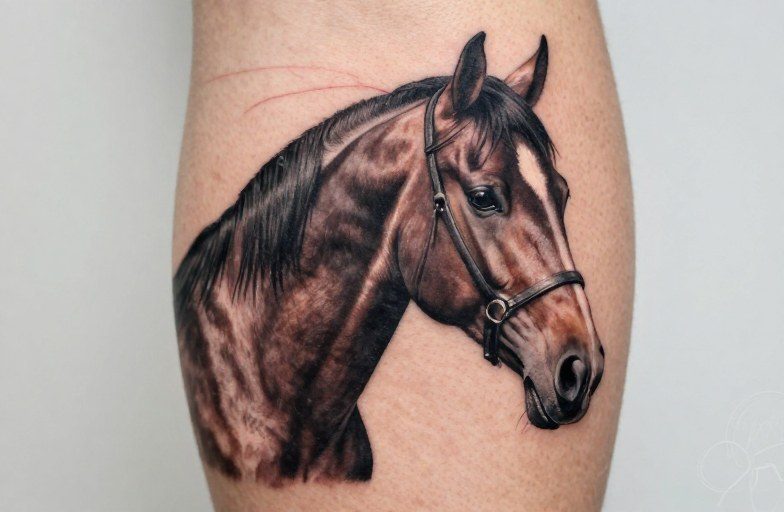
A horse tattoo most commonly signals freedom, unbridled power, and the beauty of movement. Beyond that broad reading, it can mark loyalty, endurance, or the complicated relationship between wild instinct and trained partnership. The specific meaning depends heavily on pose, style, and placement, an inked mustang at full gallop reads very differently from a bowed workhorse in profile.
Symbolism & Core Meaning
The Wild vs. The Tamed
Running horses dominate tattoo imagery for good reason. The gallop pose captures that universal association with escape and autonomy, mane blown back, hooves off ground, nobody holding reins. This connects to centuries of cultural myth where horses represent what refuses to be captured. A rearing horse adds aggression and defiance; head thrown, forelegs striking air, it becomes confrontation rather than flight.
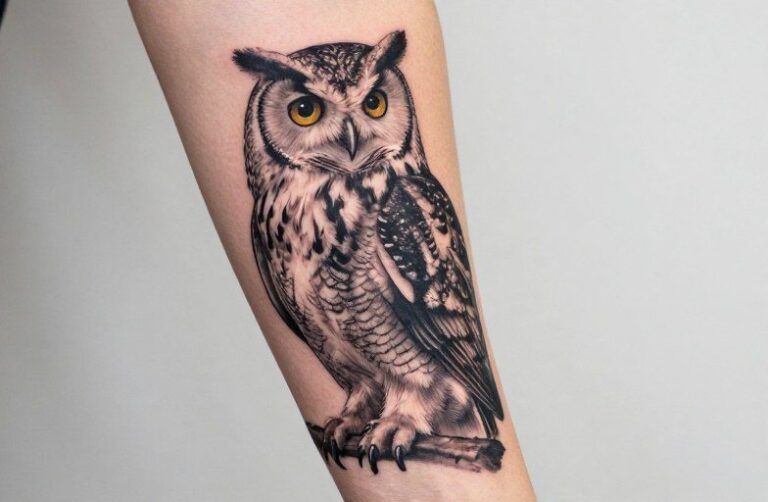
Conversely, a standing horse with lowered head or a bridled portrait shifts the meaning toward service, discipline, and mutual trust between species. The same animal carries opposite symbolic weight depending on whether it’s depicted as answering to nobody or working in partnership. Greek and Norse traditions often linked horses to the threshold between worlds, Pegasus bridging earth and sky, Sleipnir carrying Odin between realms of living and dead. Other animals with liminal, guardian roles in tattooing include the guardian owl, whose night vision carries its own between-worlds symbolism.
Speed and Mortality
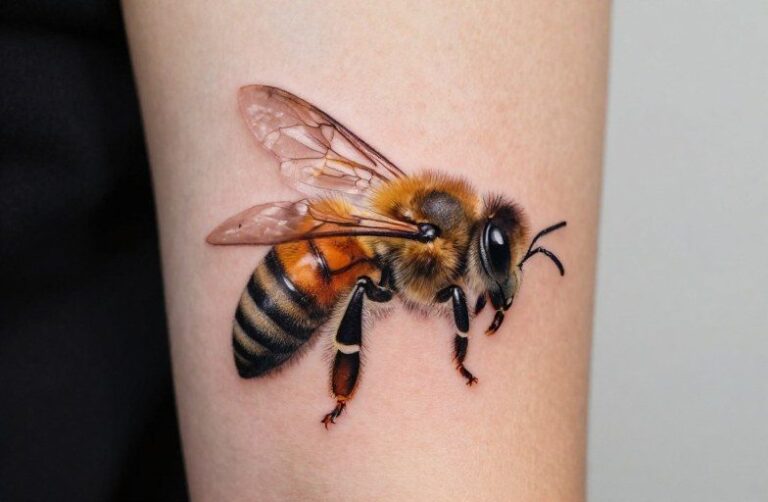
The horse’s physical reality informs its symbolism in ways that translate well to skin. These are animals built for sustained speed, not bursts like cheetahs. That endurance quality makes horse tattoos meaningful for people marking long struggles, marathons literal or metaphorical. The honey bee tattoo shares this space as a symbol of sustained effort and productivity through difficult seasons. A skeletal horse or horse skull, sometimes paired with Dia de los Muertos styling, acknowledges the same animal’s historical role in warfare and its inevitable end, powerful but not immortal.
Personal & Modern Meanings
Contemporary wearers layer personal significance onto traditional symbolism. Someone who grew up around horses might choose a portrait of a specific animal, often with name or dates incorporated. The tattoo becomes memorial rather than abstract symbol. Riders and jockeys sometimes mark competition milestones with stylized horseshoes or racing silhouettes.
More recently, the horse has become shorthand for particular psychological states in tattoo culture. A broken or limping horse can represent survived trauma without romanticizing recovery, the image acknowledges damage rather than triumphing over it. The “dark horse” motif, playing on the idiom, appeals to people who identify as underestimated or deliberately underestimated themselves. This isn’t ancient symbolism; it’s modern English language play rendered visually.
- Specific breed portraits (Arabian, Mustang, Friesian) carry breed-associated traits, Arabians for refinement and endurance, Mustangs for American frontier mythology
- Coat color matters symbolically: black horses for mystery or menace, white or pale horses for nobility or death (often linked to the Four Horsemen), paints and appaloosas for individuality and mixed heritage
- Combined with human figures, the horse shifts from solitary symbol to relationship narrative, rider and ridden, both dependent
How It Ages on Skin
Line Work and Detail Loss
Horses present genuine technical challenges for longevity. Their musculature requires smooth, flowing lines that blur faster than geometric or heavily blacked designs. A finely detailed mane with individual hair strands will muddy into indistinct texture within five to seven years on most skin, especially in high-movement areas like shoulders or thighs. Artists who understand this build in broader strokes from the start, suggesting mane movement through bold negative space rather than hair-by-hair rendering.
The long face and leg proportions create another aging problem. On curved body surfaces, a horse’s extended muzzle or raised foreleg can distort with skin stretching and settling. Thighs, upper arms, and ribcage sides shift significantly with muscle and weight changes. A horse tattooed across the outer thigh may look anatomically correct at 25 and strangely compressed at 45. Flatter placements, outer forearm, calf front, upper back, preserve proportions better over decades.
Shading and Color Saturation
Equine subjects rely heavily on smooth greywash to show muscle definition and coat sheen. This shading technique demands experienced application; patchy or too-dark greywash turns a sleek horse into a lumpy ambiguous mammal. Color horses, chestnut, bay, palomino, require saturated pigments that fade predictably to muted versions rather than turning muddy. Reds and yellows particularly struggle in sun-exposed placements without consistent SPF protection.
Religious & Spiritual Angles
Established Traditions
Horse symbolism appears across spiritual systems with varying emphasis. In Hindu tradition, the horse often linked to the sun and cosmic order, Uchchaihshravas, the seven-headed flying horse, emerged from the churning of the ocean. Buddhist imagery sometimes depicts the horse as one of the sacred symbols surrounding the Dharma wheel, representing energy and effort toward enlightenment. These connections are specific and culturally situated, not universal “spiritual horse” generalizations.
Christian iconography carries the pale horse of Revelation, explicitly named Death among the Four Horsemen. This makes white or grey horse imagery potentially complicated for Christian wearers, powerful, but carrying apocalyptic weight that some intend and others overlook. Saint George’s horse, trampling the dragon, transforms the animal into instrument of righteous violence rather than autonomous symbol.
Contemporary Spiritual Use
Modern shamanic practitioners and some neo-pagan traditions have adopted horse as power animal or totem, often linked to journeying between consciousness states. This usage is contemporary and eclectic rather than continuous from specific historical practice. The “horse spirit” concept in tattoo requests usually draws from this modern synthesis rather than verifiable lineage. That doesn’t invalidate personal meaning, but it distinguishes invented tradition from transmitted practice.
Common Variations & Styles
Realistic equine portraiture demands technical precision, correct bone structure, proportional eye placement, accurate nostril flare. Good portrait work shows the specific animal’s personality through ear position and eye softness. This style works best at larger sizes, minimum palm-sized for head studies, significantly larger for full body. Small realistic horses often read as generic dog-like mammals within a few years.
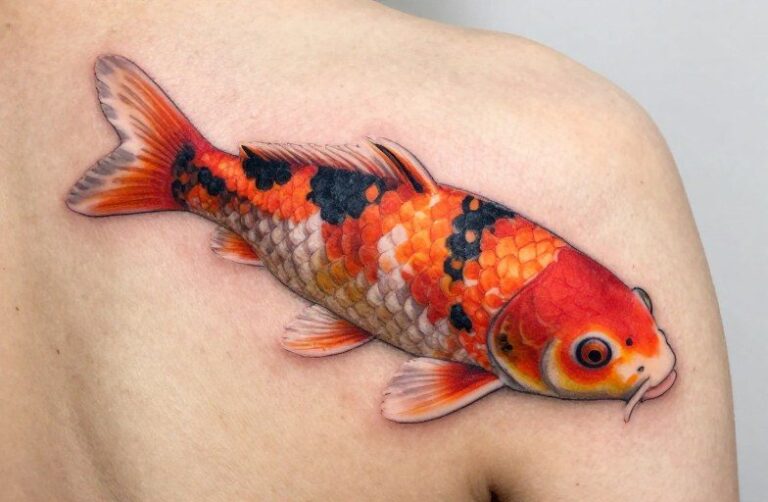
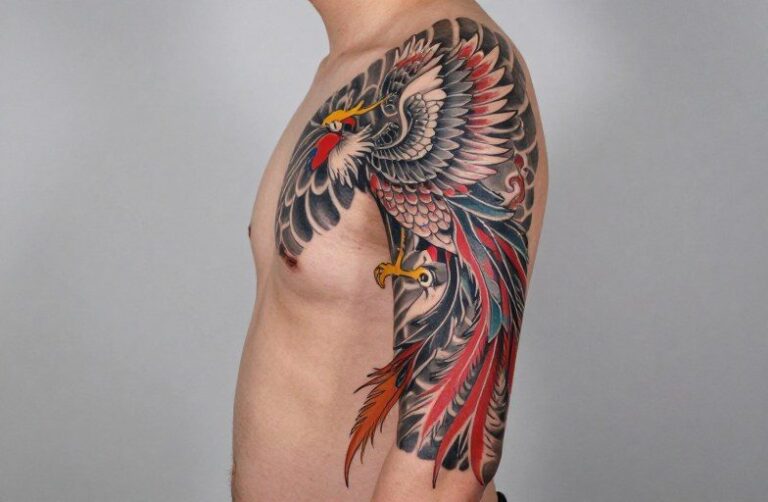
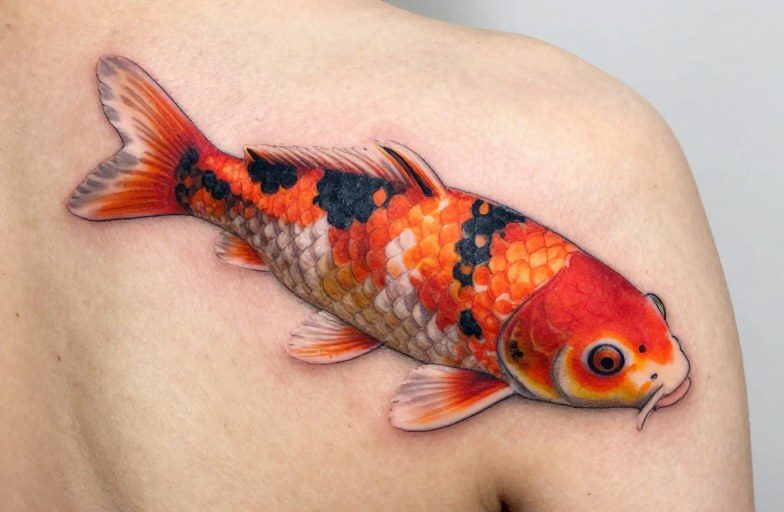
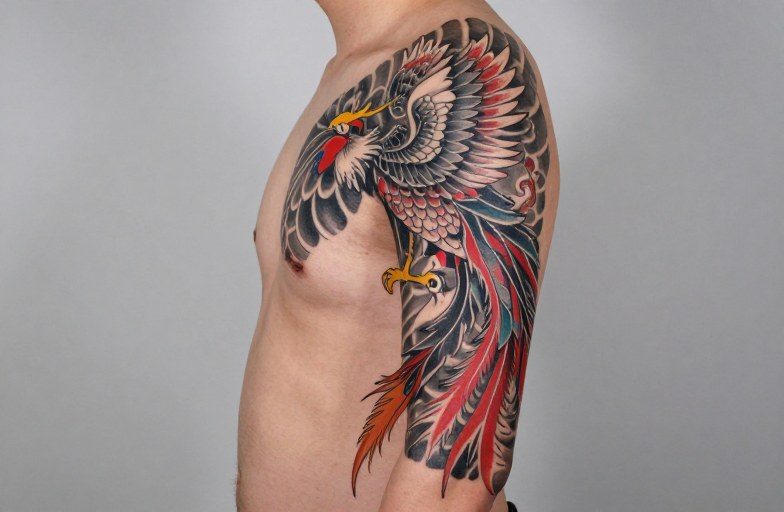
Traditional American and Japanese styles handle the subject differently. American traditional simplifies to bold outlines, limited color blocks, exaggerated mane flow, readable at any size, durable over time, but sacrificing individual likeness. Japanese irezumi incorporates horses less frequently than koi or tigers, but when used typically shows them in dynamic gallop with wind bars and background elements, part of larger narrative compositions rather than standalone pieces.
- Geometric and mandala horses: structure broken into facets or surrounded by pattern, contemporary style that ages unpredictably depending on line weight consistency
- Watercolor and brushstroke styles: popular for mane and tail energy, but the unstructured color bleeding often ages poorly without strong underlying line work
- Minimalist single-line horses: elegant when fresh, extremely vulnerable to aging and placement distortion
- Native American war horses with painted symbols: requires cultural sensitivity and preferably artist connection to avoid appropriation issues
Color vs Black and Grey
When Color Serves the Subject
Specific coat colors carry symbolic weight that justifies color investment. A true black horse, inked with deep blue-black saturation, maintains that visual impact longer than attempts at brown or chestnut that fade toward orange or pink. White horses present the opposite problem, skin-toned negative space creates the white, meaning the tattoo is technically “incomplete” in traditional terms, requiring careful surrounding shading to read clearly.
Color also enables the blood-red eyes of certain mythological horses, the green-maned Celtic water horses (often linked to kelpie folklore), or the gold of sun-horse traditions. These specific symbolic references need color to communicate; black and grey loses the cultural cue entirely.
Black and Grey Advantages
For most horse tattoos, black and grey offers practical superiority. The subject’s power comes from form and movement, not hue. Greywash handles muscle definition and coat sheen more reliably than color saturation. A well-executed black and grey horse ages into a distinguished piece where color versions often fade to confusion. The exception is heavy black tribal-style horses, which sacrifice anatomical accuracy for graphic impact and read more as “horse symbol” than “horse.”
Final Thoughts
The horse endures in tattoo culture because it combines immediately recognizable form with genuinely flexible symbolism. Freedom, power, service, mortality, partnership, defiance, the same animal shape accommodates contradictory meanings through pose, style, and accompanying elements. Technical execution matters enormously; the flowing lines that make a horse beautiful on paper become liabilities on skin without thoughtful adaptation. Work with an artist who has built equine pieces before, who understands how mane detail collapses and how leg proportions distort. The best horse tattoo doesn’t just reference symbolism, it embodies the animal’s own qualities: endurance, movement, and presence that persists.
Frequently Asked Questions
Does a horse tattoo direction matter, facing left or right?
Direction carries subtle compositional weight but no universal symbolic rule. Right-facing horses traditionally suggest forward progress in Western composition; left-facing may integrate better with existing body art. Discuss flow with your artist relative to your specific placement and surrounding tattoos.
How large should a horse tattoo be for the face to stay recognizable?
A standalone horse head needs at least four to five inches in the longest dimension to maintain eye and nostril detail long-term. Full-body horses require significantly more space, eight to ten inches minimum for proportional accuracy. Smaller than this, simplify to stylized or traditional approaches.
Is a horseshoe tattoo different symbolically from a horse itself?
Yes, substantially. Horseshoes carry luck folklore largely separate from equine symbolism, plus farrier and agricultural associations. A horseshoe functions as charm or emblem; a horse as living symbol. Combined images merge these meanings, but the horseshoe alone doesn’t substitute for horse significance.
Can horse tattoos cover scars or stretch marks effectively?
Horse designs with flowing mane and irregular leg lines can incorporate some skin texture variation better than geometric work. However, heavy scarring or fresh stretch marks distort the precise musculature that makes horses recognizable. Consultation with an experienced artist about your specific skin condition is essential before committing to design.