A dragon tattoo carries weight. Before you commit, you should understand what that weight actually consists of, because this creature means different things depending on where you look, how you render it, and what you pair it with. The dragon is not a blank slate. It arrives loaded with centuries of specific cultural interpretation, and your choices in design either honor that history or ignore it at your own risk.
What Dragons Actually Symbolize
The dragon’s power lies in contradiction. It destroys and protects. It hoards and gives. It sleeps for centuries and moves with sudden violence. Unlike symbols with cleaner moral alignment, the dragon refuses to resolve into something simple. That complexity is precisely why it endures in tattoo art.
Eastern and Western Divides
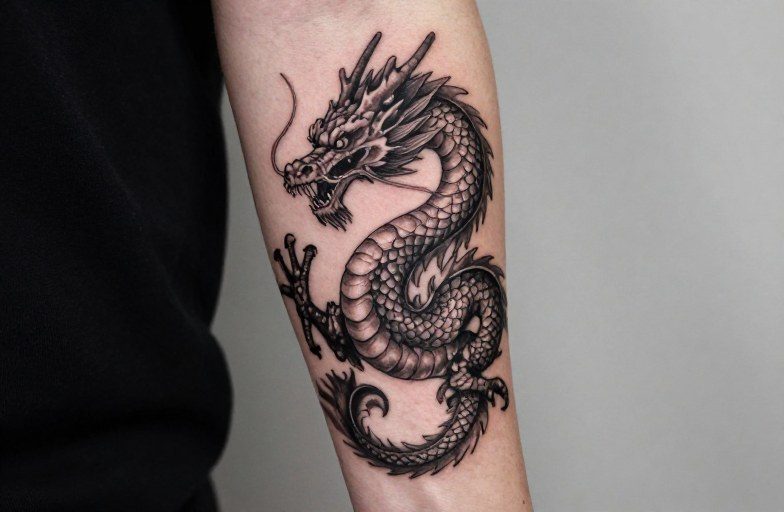
Chinese, Japanese, and Korean traditions treat dragons as fundamentally benevolent. These creatures control water, summon rain, and connect to imperial authority or spiritual guardianship. The Japanese ryu winding through clouds emphasizes wisdom and longevity. The Chinese lung dragon, with five claws, historically indicated the highest rank. These depictions show serpentine bodies, bearded faces, and typically no wings. They move through air and water with fluid grace.
European dragons descend from a different lineage. Scaled, winged, fire-breathing, cave-dwelling, hoarding. The Western dragon represents chaos to be conquered or chaos to be claimed. A tattoo here might signal rebellion, untamed ambition, or refusal to be controlled. The emotional register is darker, more confrontational.
Mixing these traditions without intention usually produces confusion. A Chinese-style dragon breathing European fire, or a Western wyvern paired with Eastern cloud patterns, reads as mismatched unless you have a specific reason for the fusion.
Transformation as Violent Process
Dragons shed, they age for centuries, they sleep and wake. The imagery resonates with people who have survived significant personal upheaval. A dragon emerging from flame or coiled around a phoenix emphasizes rebirth. The symbol works because it does not pretend transformation is gentle. It is fire, it is scales tearing, it is the violence of becoming something else. If your experience of change was quiet and gradual, the dragon may not be your symbol. If it was survival, burning, and reformation, the fit is natural.
Styles and How They Alter Meaning
The same dragon rendered in different traditions communicates entirely different things. A delicate single-needle dragon on a wrist whispers. A bold traditional back piece shouts. The style is not merely aesthetic preference; it is semantic choice.
Japanese Irezumi and Horimono
The full-back dragon winding through waves and cherry blossoms remains a cornerstone of Japanese tattooing. These pieces traditionally pair the dragon with specific elements: tiger for balance, pearl for spiritual attainment, koi for perseverance. The dragon’s direction matters. Ascending dragons suggest ambition and growth. Descending dragons indicate reflection or protection of something below.
Key characteristics of this style:
- Bold outlines with extensive background fill (wind, water, clouds)
- Specific color conventions: green for life, gold for value, black for age
- Three-claw, four-claw, or five-claw variants carrying different cultural weight
- Often designed as part of a larger bodysuit narrative rather than isolated image
This work demands specialized knowledge. An artist without training in Japanese tattoo conventions can reproduce the visual elements while missing the structural logic that makes the piece coherent. The background is not filler. The relationship between dragon and surrounding elements follows established rules. Find someone who understands this tradition if you want it done properly.
Neo-Traditional and Illustrative Approaches
Modern Western adaptations take more liberties. Neo-traditional dragons might feature jewel-toned scales with heavy black outlines. Illustrative styles favor detailed scales, realistic anatomy, and dramatic lighting. These approaches often strip away specific cultural signifiers in favor of personal aesthetic.
Blackwork and geometric dragons have developed their own following. A dragon built from mandala patterns or sacred geometry shifts the meaning toward cosmic order rather than primal force. Tribal dragon silhouettes, popular in the 1990s and early 2000s, now read as dated but carry that specific era’s energy of mainstream rebellion. Consider whether you want timelessness or period specificity.
Color Language and Its Consequences
Color in dragon tattooing is not decoration. It carries established symbolic weight that informed viewers will read immediately. Choosing color means choosing meaning.
Traditional Color Symbolism
Red dragons dominate both Eastern and Western iconography. In Chinese tradition, red signifies good fortune and joy. In Western contexts, it emphasizes destructive fire and passion. The same color, different registers. Gold or yellow dragons connect to imperial power and spiritual attainment. Blue and green dragons, common in Korean and Chinese mythology, link to eastward directions, spring, and vegetation.
Black dragons suggest age, primordial depth, or storm. White dragons appear rarely and carry associations with death, winter, or purity depending on context. Green dragons in Western tradition sometimes indicate poison or corruption, a meaning absent from Eastern conventions.
Your color choices should align with your intended meaning, not merely your preferred palette. A red dragon chosen because you like red, without understanding its fire-and-fortune duality, produces a disconnect between your intent and your image.
Black and Grey Realism
Stripped of color, a dragon relies entirely on form, texture, and contrast. Black and grey works exceptionally well for emphasizing the creature’s sculptural quality: scales catching light, the hollow of an eye socket, the weight of a claw. Without color to carry cultural meaning, the focus shifts to the dragon as pure animal presence.
This approach ages cleanly. Color pieces with heavy saturation can blur and muddy over decades. Black and grey maintains readability longer, though it sacrifices the immediate symbolic communication that color provides. The trade-off is permanence against specificity.
Placement and Physical Reality
Dragon tattoos demand space. The serpentine body wants to move, to wrap, to extend. Poor placement truncates this energy and leaves you with a dragon that looks cramped rather than coiled.
- Full back: The classic canvas. Allows complete body winding, proper head scale, room for background elements. The spine becomes the dragon’s spine. This is where Japanese bodysuit tradition developed its full vocabulary.
- Arm sleeve: The dragon wraps the limb, head at shoulder or wrist depending on flow. Works well ascending or descending. The natural cylinder of the arm suits the serpentine form.
- Thigh: Increasingly popular for substantial pieces without the visibility of arms. Good scale for detailed work, and the muscle structure provides interesting terrain for the dragon to move across.
- Ribcage or side: The body’s natural curves complement the serpentine form. Painful placement, but the dragon follows the body’s own architecture effectively.
- Hand or neck: Small, visible, confrontational. Usually rendered as head only or highly simplified form. The dragon’s power becomes concentrated and immediate rather than expansive.
Wrapping matters. A dragon that crosses a joint, elbow, or knee needs careful design so the head and body do not distort when the limb moves. Experienced artists plan for this tension. Inexperienced ones produce dragons that look broken or twisted in certain positions. Ask to see healed photos of joint-crossing work before you commit.
Source Traditions and Their Specifics
Understanding where your dragon comes from helps you avoid mismatched symbolism. You do not want to carry a Chinese-style dragon with Western elements unless you have a deliberate reason for the collision.
Eastern Lineages
The Chinese dragon is often linked to the emperor and cosmic order. The Japanese ryu or tatsu connects to specific Shinto and Buddhist temples as guardians. Korean yong dragons appear in foundation myths for certain clans. These creatures control water, summon rain, and live in rivers, lakes, and seas rather than mountain caves.
The number of claws carries specific meaning. Imperial Chinese dragons displayed five claws. Korean dragons typically show four. Japanese dragons most commonly have three. This distinction is often linked to historical periods when five-claw imagery was restricted to China, though the exact historical development is debated among scholars. What matters for your tattoo is that the claw count signals cultural specificity to informed viewers.
Western and Norse Threads
European dragon lore commonly associates the creature with Christian narratives of saintly conquest. The Norse tradition includes Fafnir, a dwarf transformed into a dragon through greed, and Nidhogg, the corpse-eating serpent gnawing at Yggdrasil’s roots. Celtic dragons sometimes appear as water beings or shape-shifting intelligences rather than purely reptilian monsters.
These varied traditions offer different emotional registers. A dragon tattoo might channel the noble guardian, the chaotic destroyer, the ancient wisdom-keeper, or the cursed hoarder. The mythology you draw from shapes the tattoo’s underlying narrative. Know which one you are invoking.
Common Pairings and Alternatives
Dragons rarely appear alone in tattoo composition. Understanding common pairings helps you build coherent symbolism.
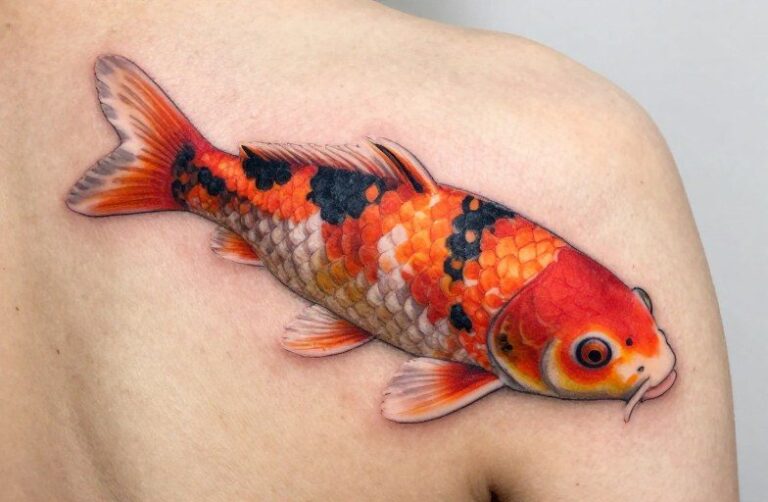
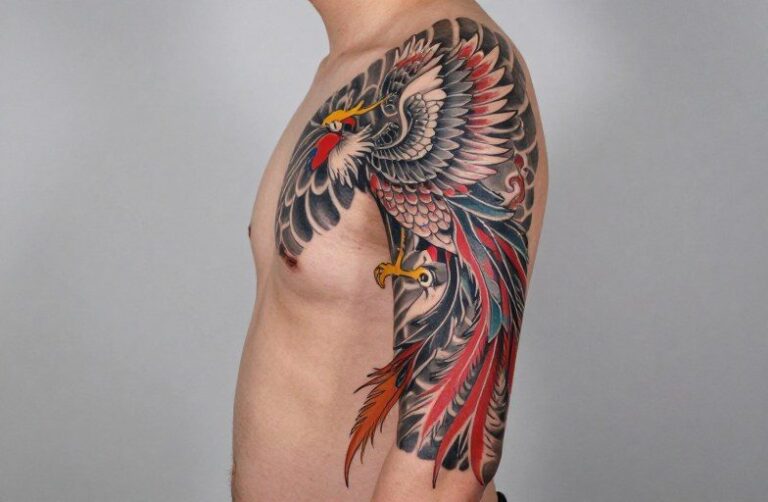
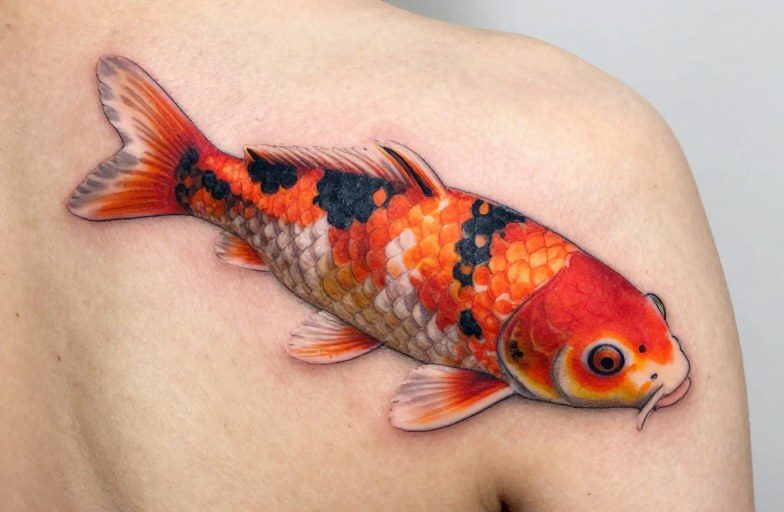
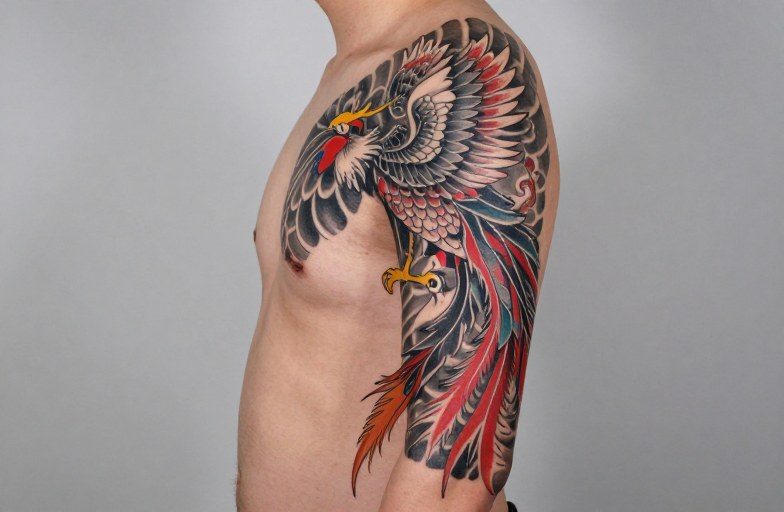
The phoenix and dragon pairing represents yin-yang balance, often chosen to symbolize harmonized opposites within oneself or between partners. The tiger and dragon combination, drawn from Chinese martial tradition, pits two equally matched forces against each other. Koi transforming into dragon imagery references the Dragon Gate legend, perseverance rewarded with transcendence.
Standalone alternatives exist for those drawn to dragon energy but seeking different forms. The serpent emphasizes transformation without the dragon’s aggressive power. The griffin combines guardian function with more structured nobility. The phoenix offers pure rebirth without the hoarding, destructive shadow side.
Snakes specifically share the dragon’s shedding and renewal symbolism but read as more earthbound, more intimate. Where a dragon dominates space, a snake insinuates through it. Your choice between them often comes down to whether you want your transformation to read as conquest or continuous adaptation.
What to Remember
A dragon tattoo commits you to a symbol with genuine cultural density. It is not a quiet choice. The creature’s saturation across traditions means people will bring their own associations to your skin: power, danger, wisdom, greed, protection, destruction. You cannot control all of these readings, but you can control whether your design choices are coherent enough to direct them.
Work with an artist who understands the tradition you are drawing from. Plan for how the piece will age, how it moves with your body, how it reads at conversation distance versus intimate distance. The dragon rewards preparation and punishes casual treatment. Give it the consideration it demands, and it will carry meaning for decades. Treat it as mere decoration, and you will have a confused creature on your skin that communicates little beyond the fact that you did not do the work to understand what you were asking for.
Frequently Asked Questions
What does a dragon tattoo symbolize?
It depends on the tradition. Eastern dragons typically represent wisdom, protection, and benevolent power connected to water and imperial authority. Western dragons represent chaos, rebellion, untamed ambition, or primal force to be conquered or claimed. The specific meaning also shifts based on style, color, and accompanying elements.
Does the number of claws on a dragon tattoo matter?
Yes. Five claws historically indicated Chinese imperial rank, four is typical for Korean dragons, and three is standard for Japanese dragons. This distinction signals cultural specificity to informed viewers, though the exact historical development of these conventions is debated among scholars.
What is the best placement for a dragon tattoo?
The full back is the classic canvas, allowing complete body winding and proper scale. Arm sleeves, thighs, and ribcages also work well. The key factor is giving the serpentine form enough space to move and coil naturally. Small, cramped placements usually fail to capture the dragon’s energy.
What colors work best for dragon tattoos?
Red signifies fortune and fire, gold connects to imperial power, blue and green link to vegetation and eastward directions, black suggests age and primordial depth. Black and grey realism sacrifices color symbolism for sculptural presence and cleaner aging over time.
Can I mix Eastern and Western dragon elements?
You can, but it requires intention. Without deliberate purpose, mixing Chinese-style serpentine dragons with Western fire-breathing or winged elements usually reads as confused rather than innovative. Know both traditions well before you attempt fusion.